Peru & Bolivia

Contents
When we made this blog, we weren’t sure exactly what we wanted to write about. All we knew was that many friends and family were asking us to make a blog to keep up with our travels and also that writing helps us process what we are experiencing. We’re still unsure what future blog posts will be about; we will just write about whatever is on our minds as we travel.
In our first few weeks of travel in Peru and Bolivia, we were surprised by how much of what we learned from tour guides was about politics, both historical and current. Through meeting many other Western travelers, we could also see that the privilege of traveling is inherently political. With this in mind, although not all of our writing will be political, this post will be.
If you want to keep up with more frequent photos of what we are doing, check out our Instagram.
From Colonial Theft to Neoliberal Extraction
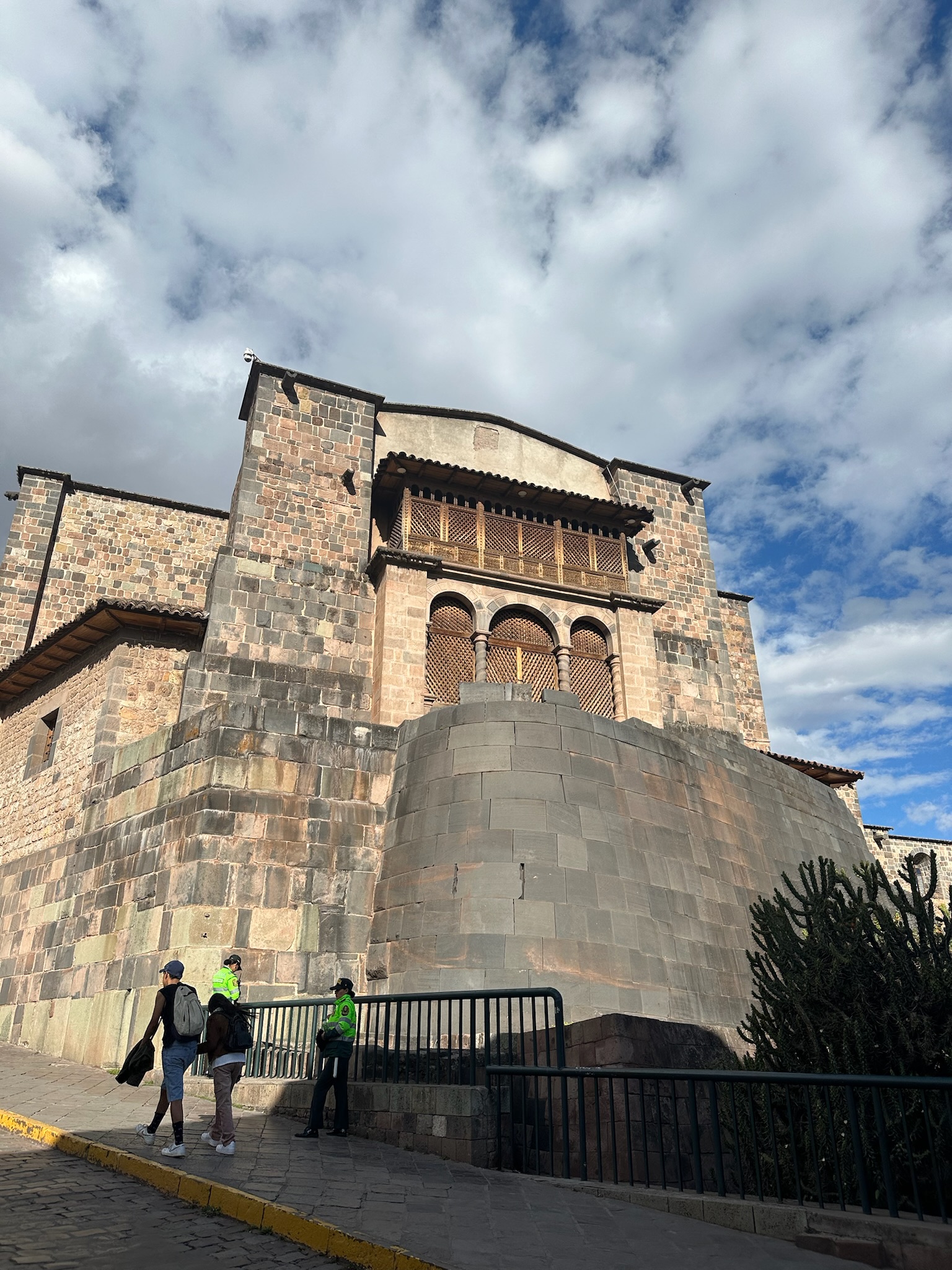
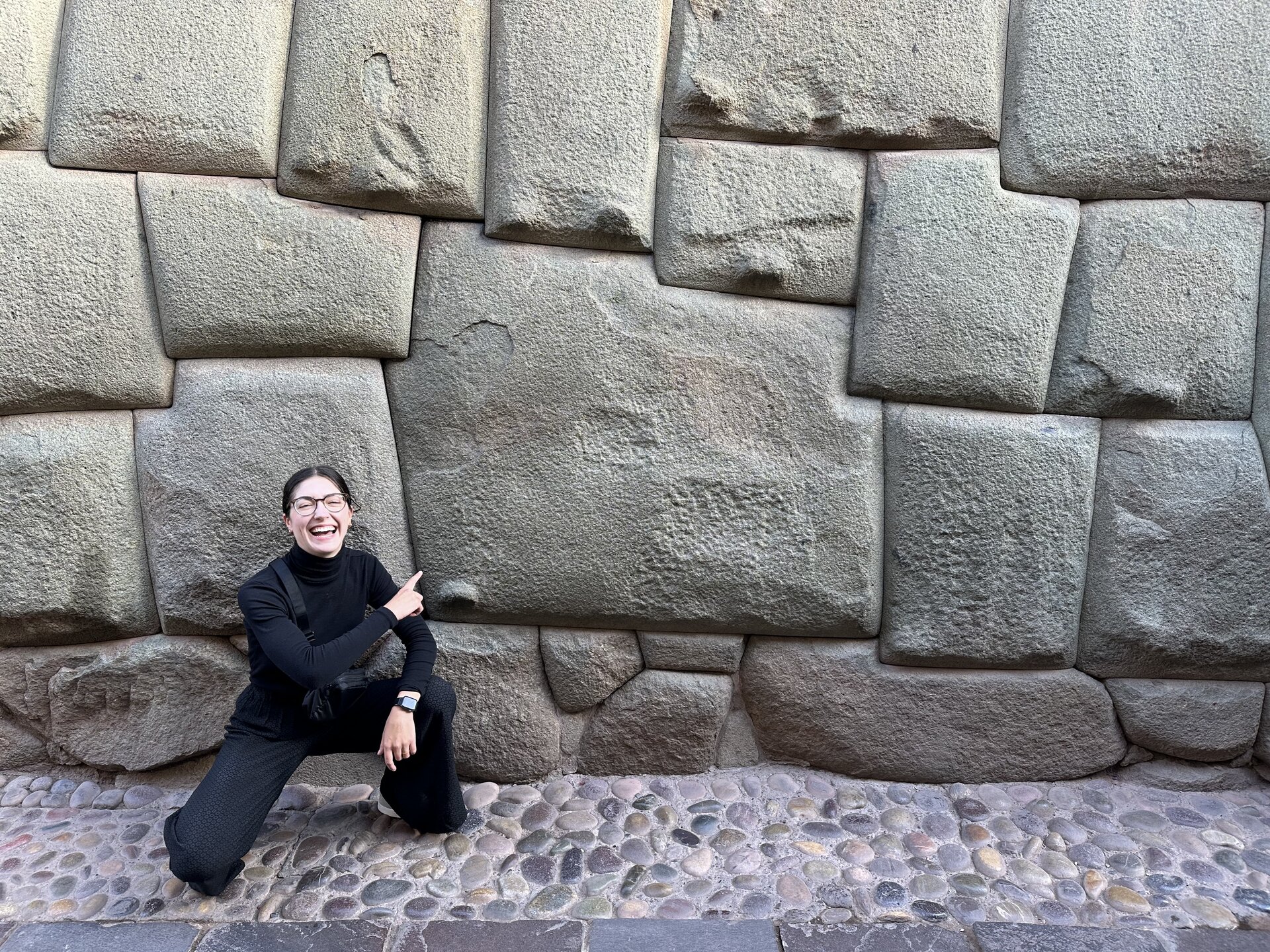
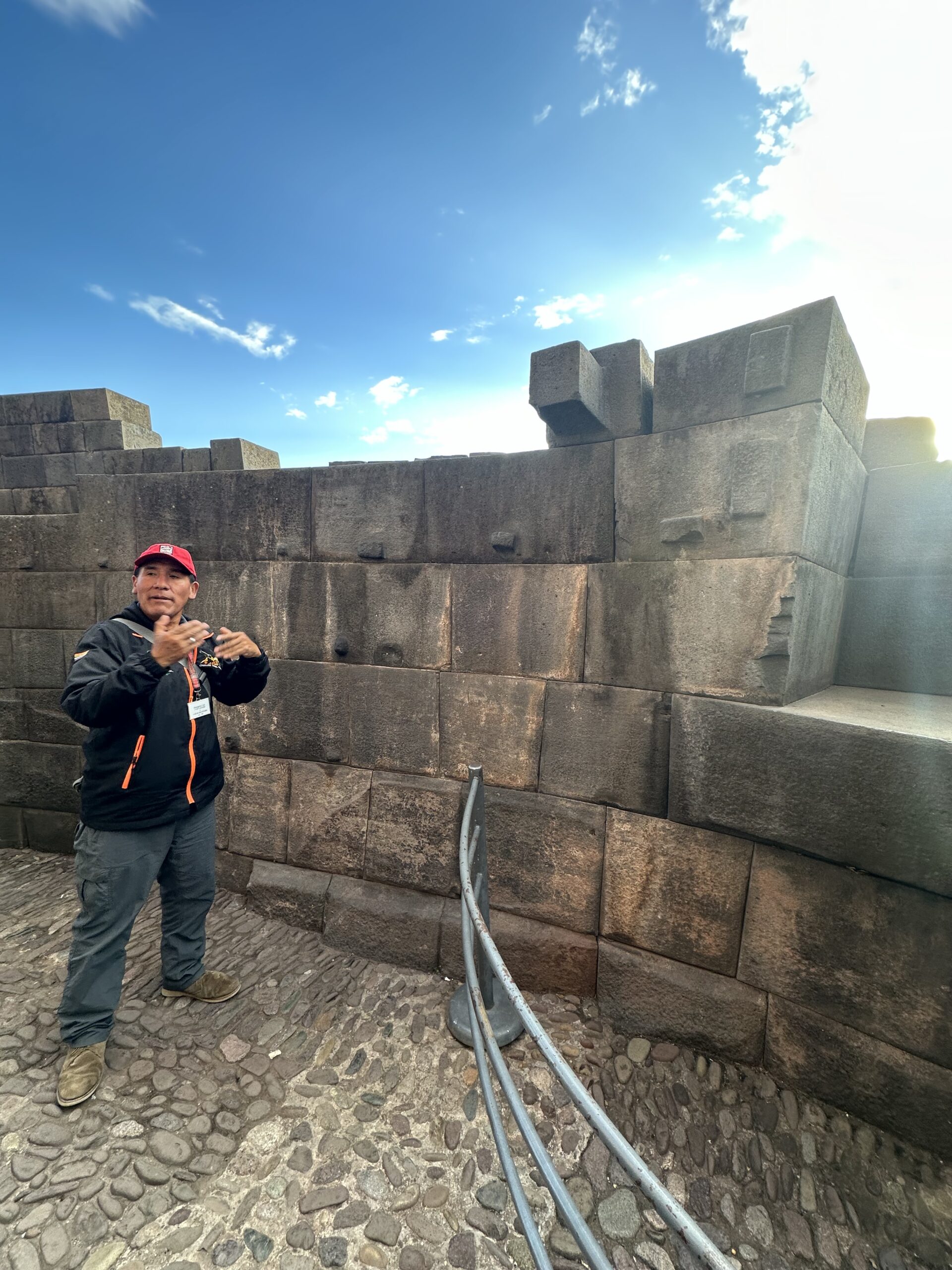
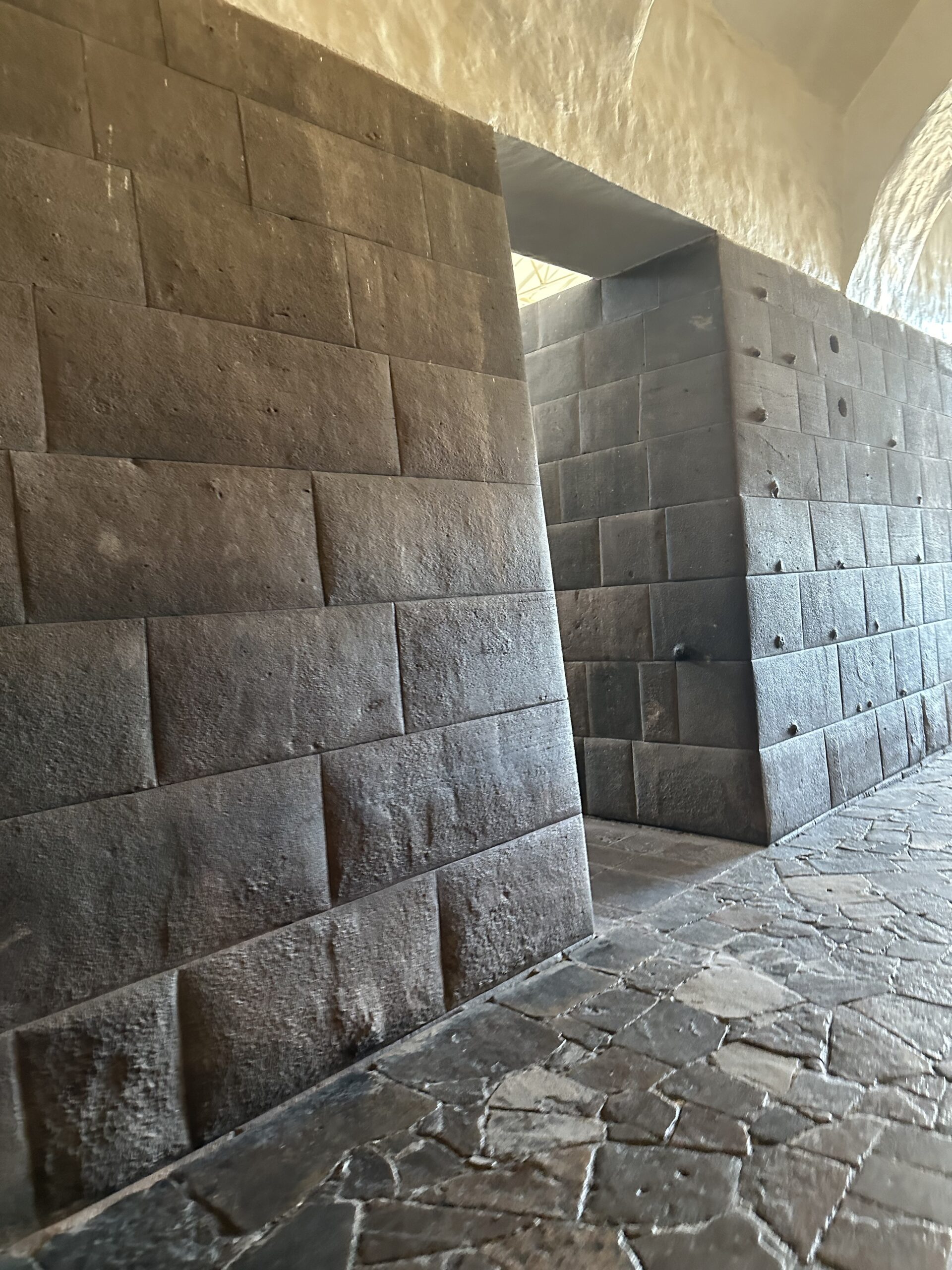
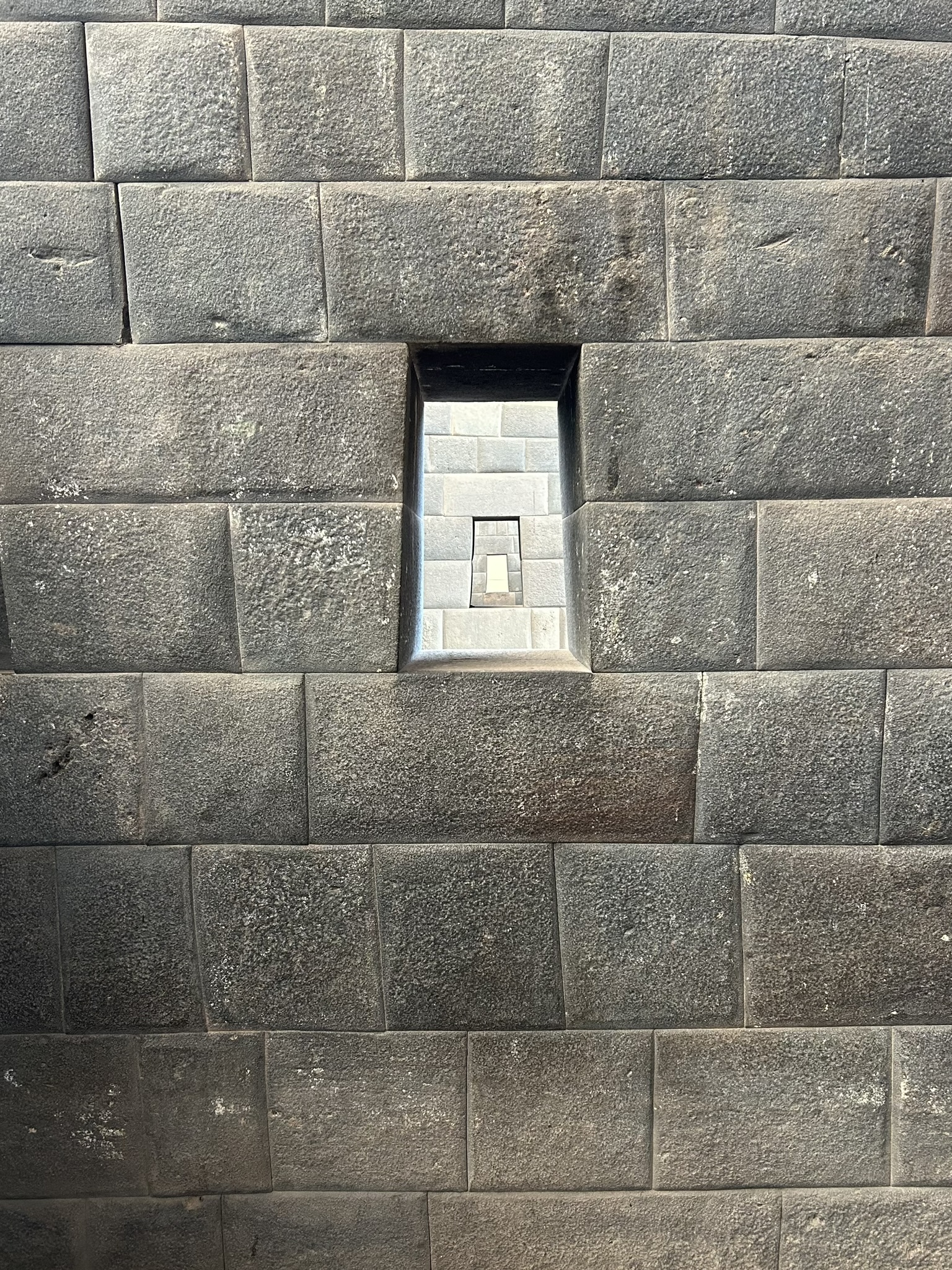
Across Peru and Bolivia, we saw the juxtaposition of Inca and Spanish civilization and culture. The best example was at Qorikancha, located in Cusco and considered the most important temple in the Inca Empire. In the 16th century, Spanish conquistadors destroyed the temple, stole all of the gold statues and decorations, and built a church on top of the original foundation.
Today, visitors to Qorikancha see solid, earthquake-proof Incan stonework beneath unimpressive Spanish stonework that has been destroyed and rebuilt multiple times after earthquakes over the centuries. Our tour guide highlighted how the Spanish wanted to show domination of their religion over the Inca religion.
Fast forward to today, and there is no longer a colonial power stealing the resources of these countries. However, a common theme from our discussions with hosts and guides was the failed promises of privatization and foreign investment. International corporations often come in promising new jobs and a better standard of living. However, these companies have extracted the resources and profits from these countries and left little behind for the local people. Meanwhile, Western-backed politicians in these countries have supported this economic model for their own personal gain rather than working for the good of the people of their country.
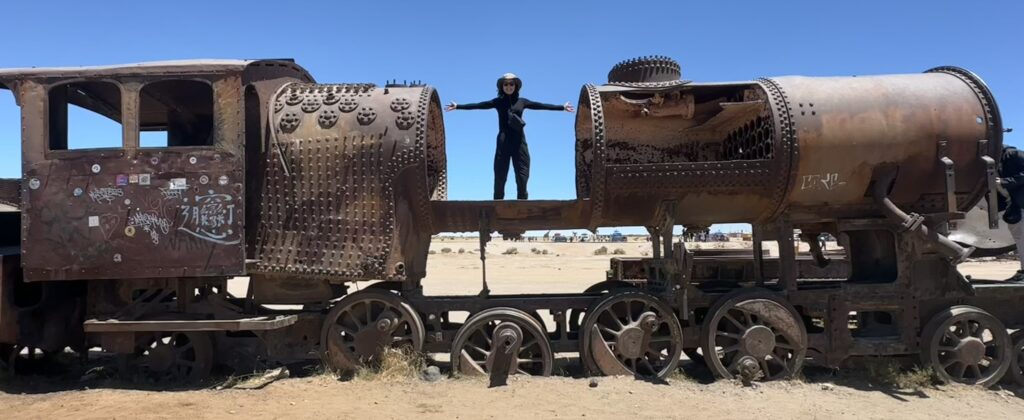
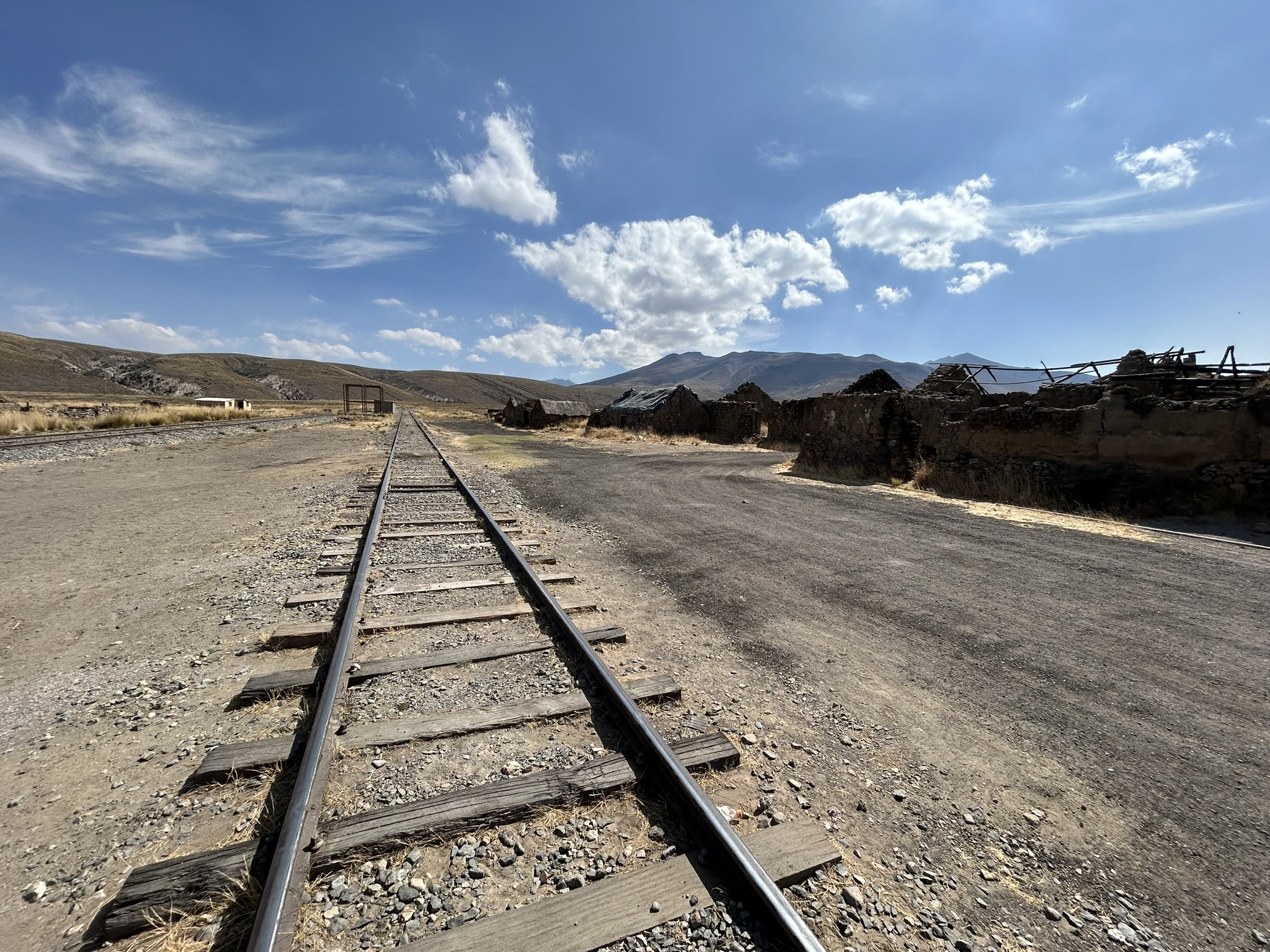
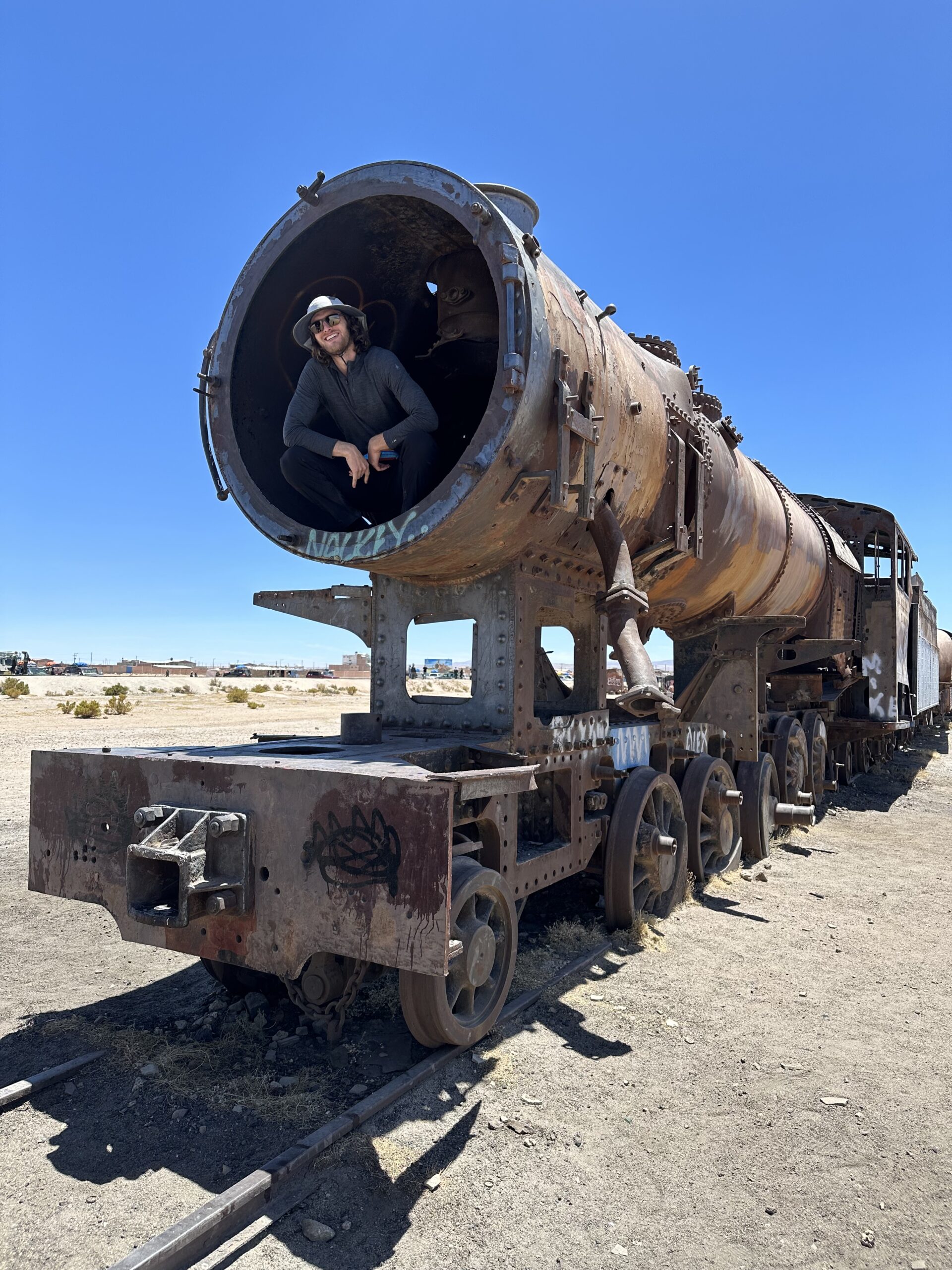
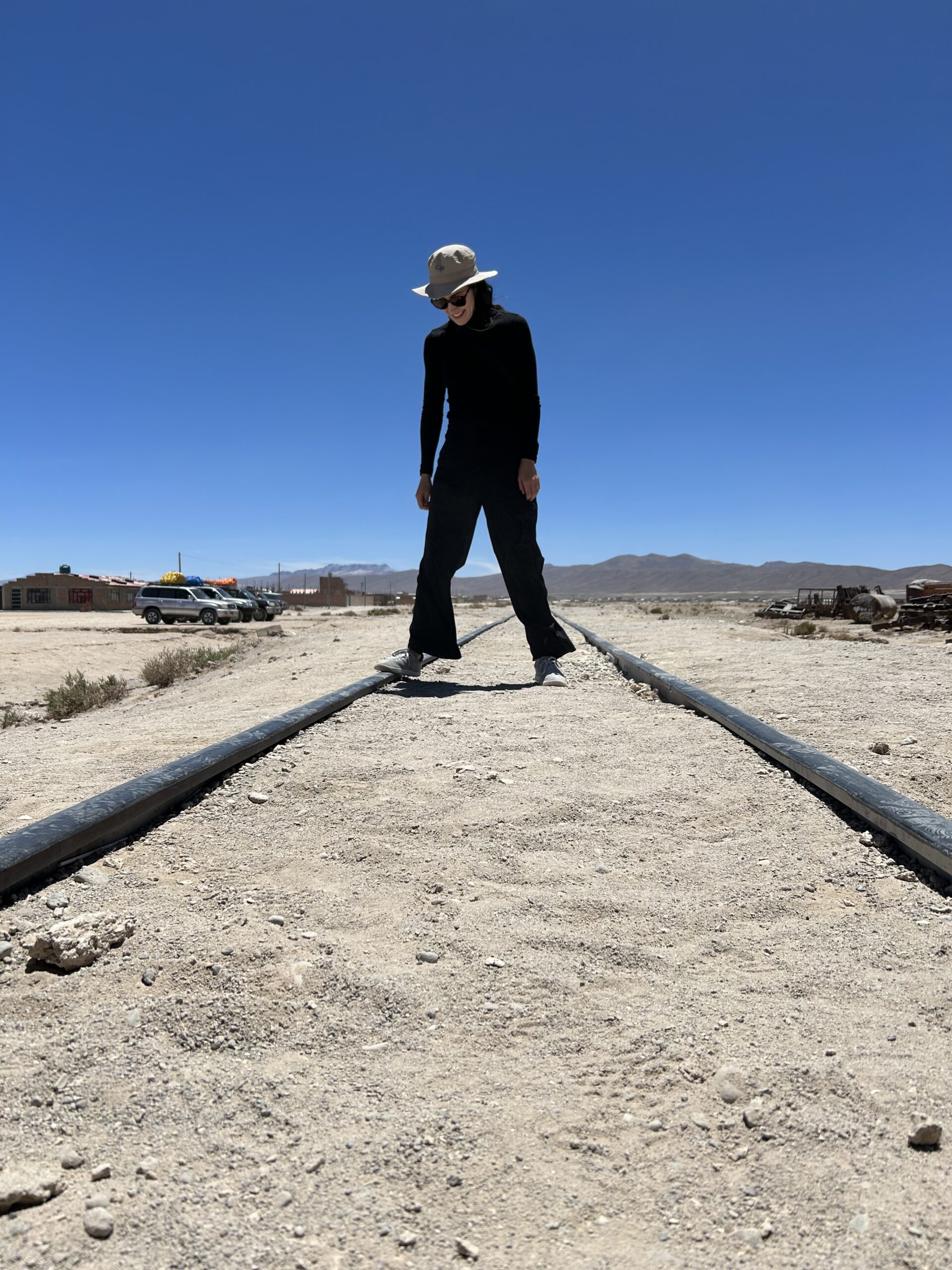
In Bolivia, at the start of our Uyuni Salt Flats tour, we saw the “Train Cemetery”. When mining opportunities were discovered high on the altiplano of Bolivia, foreign investment started flowing in; a railroad was built, and British trains were imported. Lofty promises were made to the local people about new jobs, better houses, and the ability to start saving money. However, once the mineral resources that could be mined had been extracted, the foreign companies withdrew with their profits, leaving the locals no better off than before. All that remains there today is a graveyard of train cars.
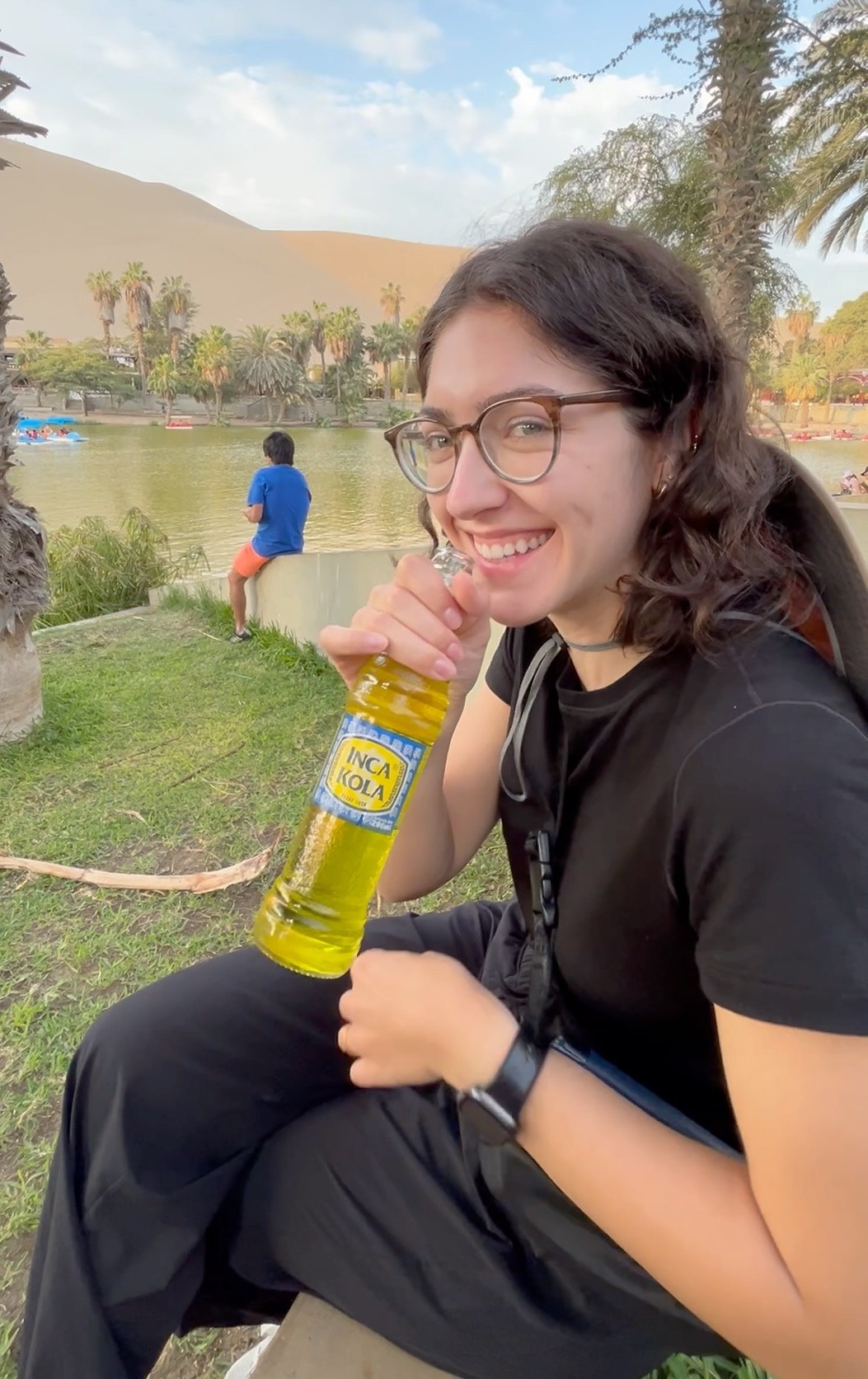
In Peru the local water is unsafe to drink, and much of the bottled water is owned by Coca-Cola. The local and much-loved Inca Kola (we thought is was way too sweet and tasted like bubble gum) was bought out by Coca-Cola when Coke could not compete in the Peruvian market.
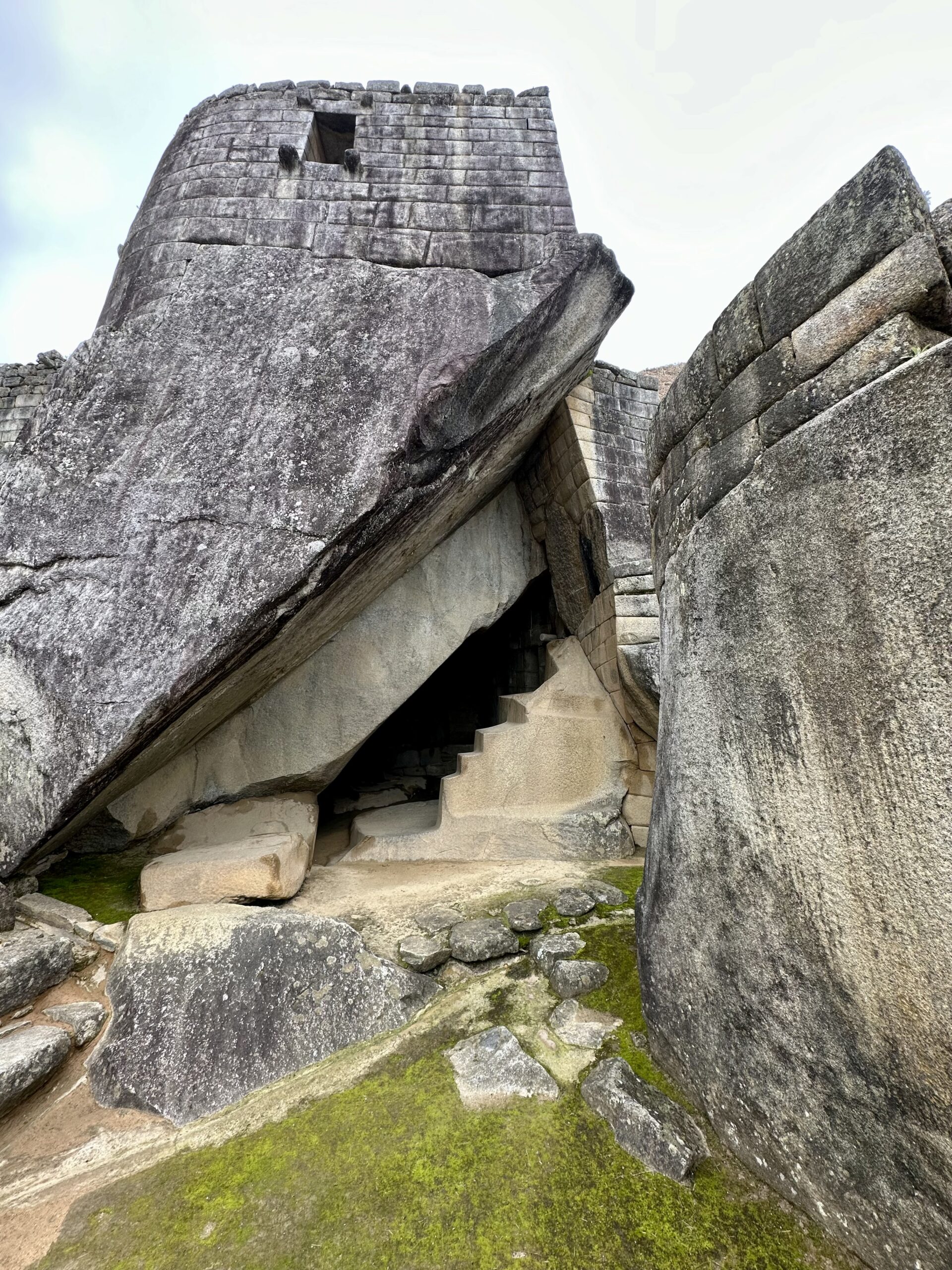
Tourism offers opportunities for many local guides, drivers, hosts, etc. But of course, in the tourism industry as well, foreign companies have found ways profit off of the natural beauty and manmade wonders of these countries. At Machu Picchu, most visitors stay in a small town about 30 minutes away by bus from the Machu Picchu entrance. However, one company was allowed to build a hotel within steps of the entrance where guests pay around $2,000 per night for a room. This company is Belmond, a subsidiary of LVMH, the multinational conglomerate that owns Louis Vuitton, Tiffany & Co., Princess Yachts, and many other luxury brands. Our tour guide passionately highlighted how tourists come and spend enormous amounts of money visiting Machu Picchu, but rather than this money benefiting the local people, it flows back to multinational corporations like LVMH. While the tourism of Machu Picchu may boost Westerners’ stock portfolios, the local people don’t have a stock portfolio and face extremely high levels of poverty. While citizens of Western countries have a social safety net funded by taxes on companies like LVMH, the people of Peru have no social safety programs.
Another Way is Possible
Despite these economic challenges, the people of Peru and Bolivia are resilient and passionate about improving the lives of their people.
Most of our conversations with locals, given our beginner level of Spanish, were with tour guides and hostel hosts: a relatively educated and economically secure slice of the population. However, we were struck by their awareness and knowledge of the issues in their countries and solidarity across ethnicity and social/economic class.
Through these travels, we are reflecting on our participation in the system that creates these circumstances in countries like Peru and Bolivia. We do not yet have any answers but will continue to think about how we can contribute to a better system. Through a few of our accommodations in South America we have gotten a glimpse into the ways that people respond to these challenges and create alternative ways of taking care of community. One of our favorite experiences where we saw this was our homestay in Uros. We will also have more to say on this in our upcoming post about our time in Paraguay.
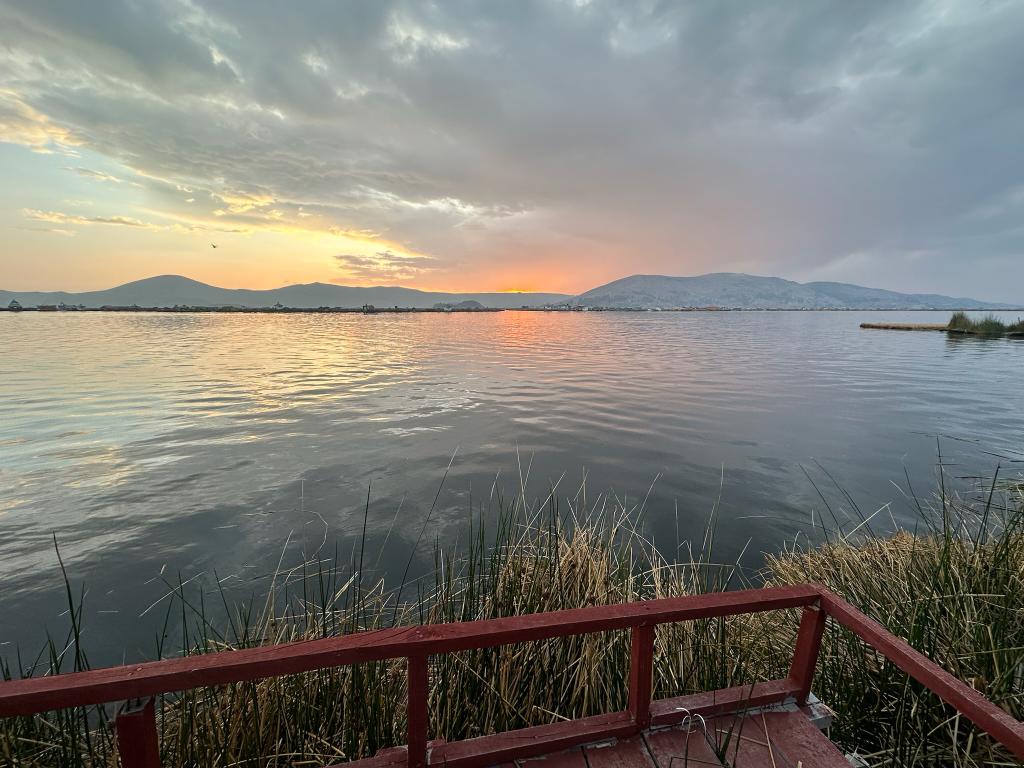
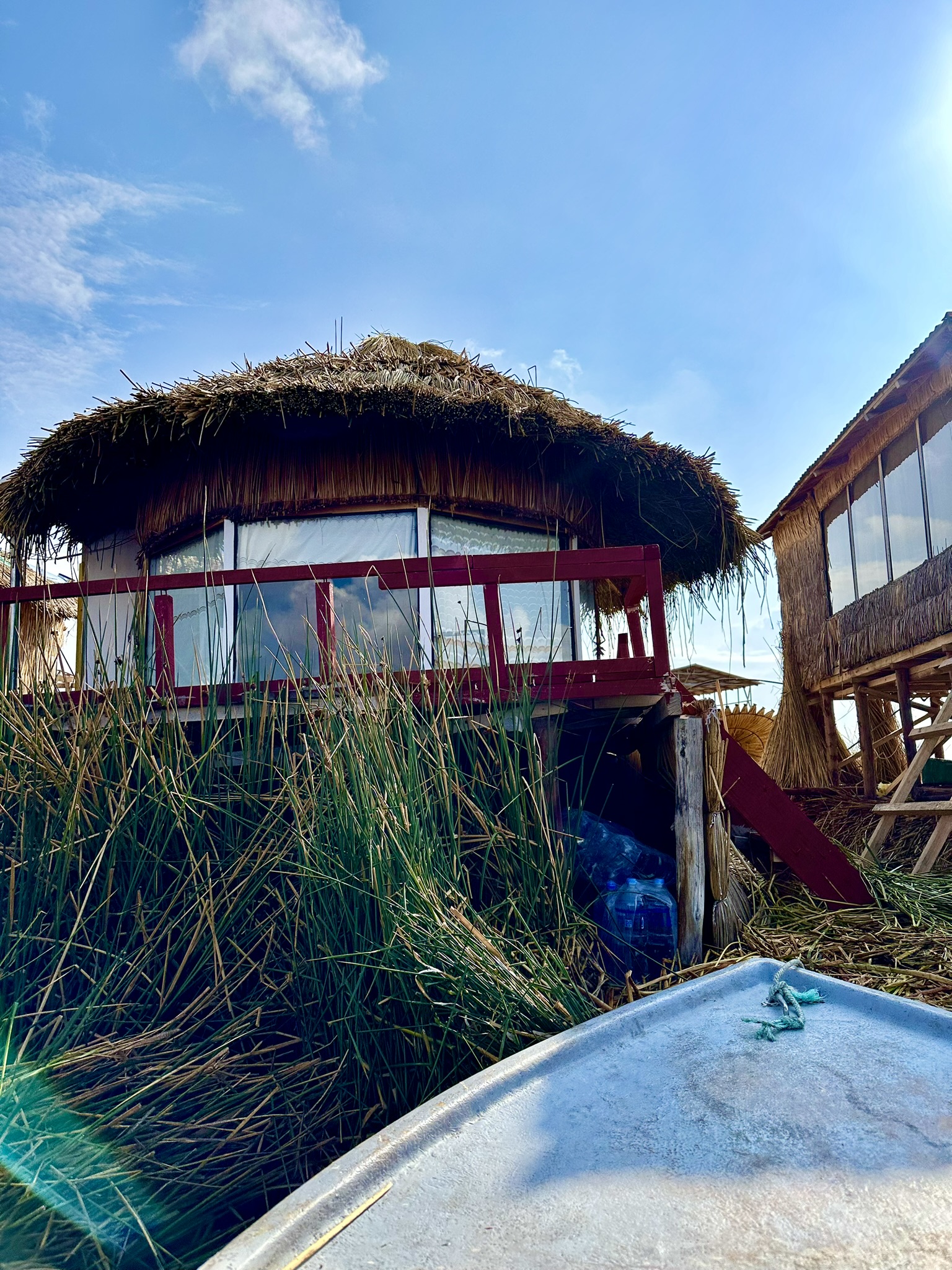
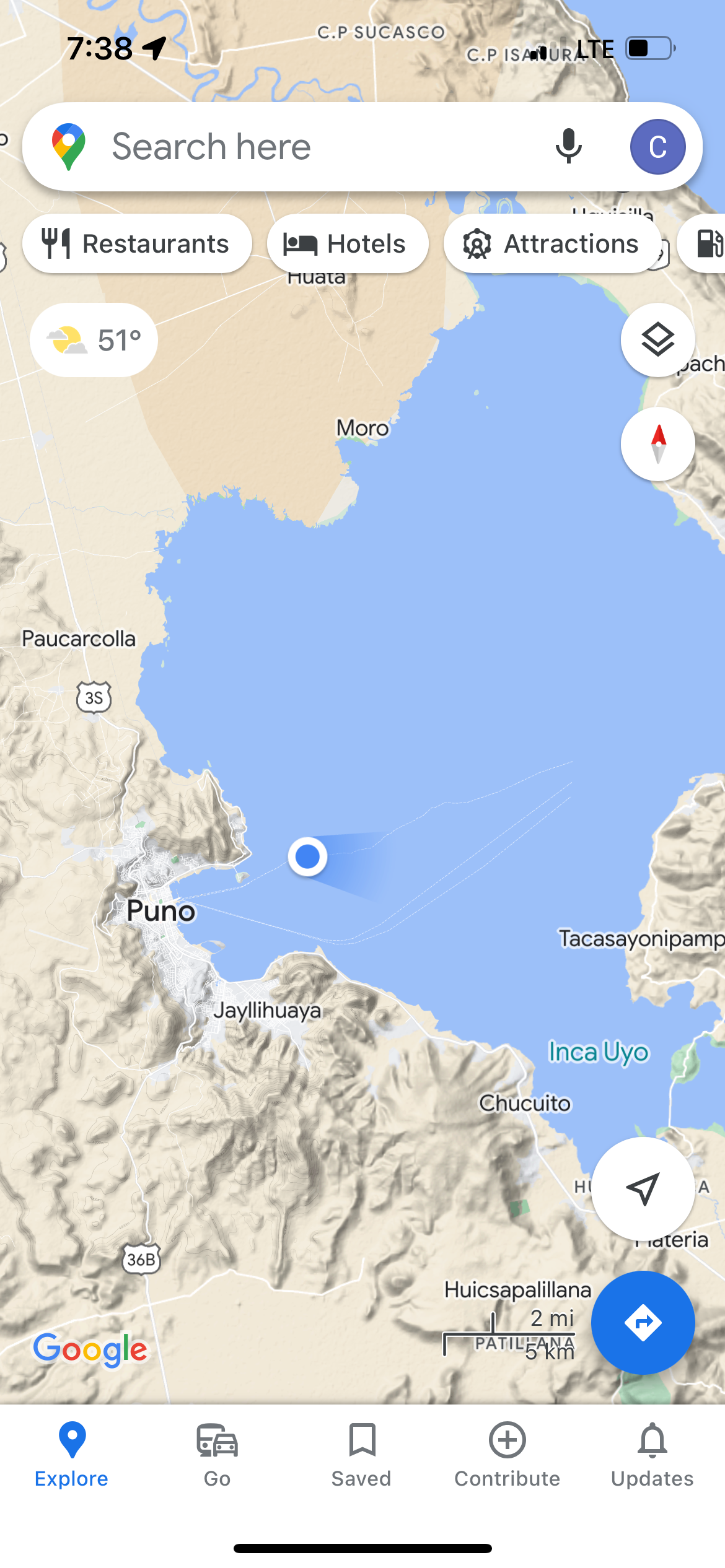
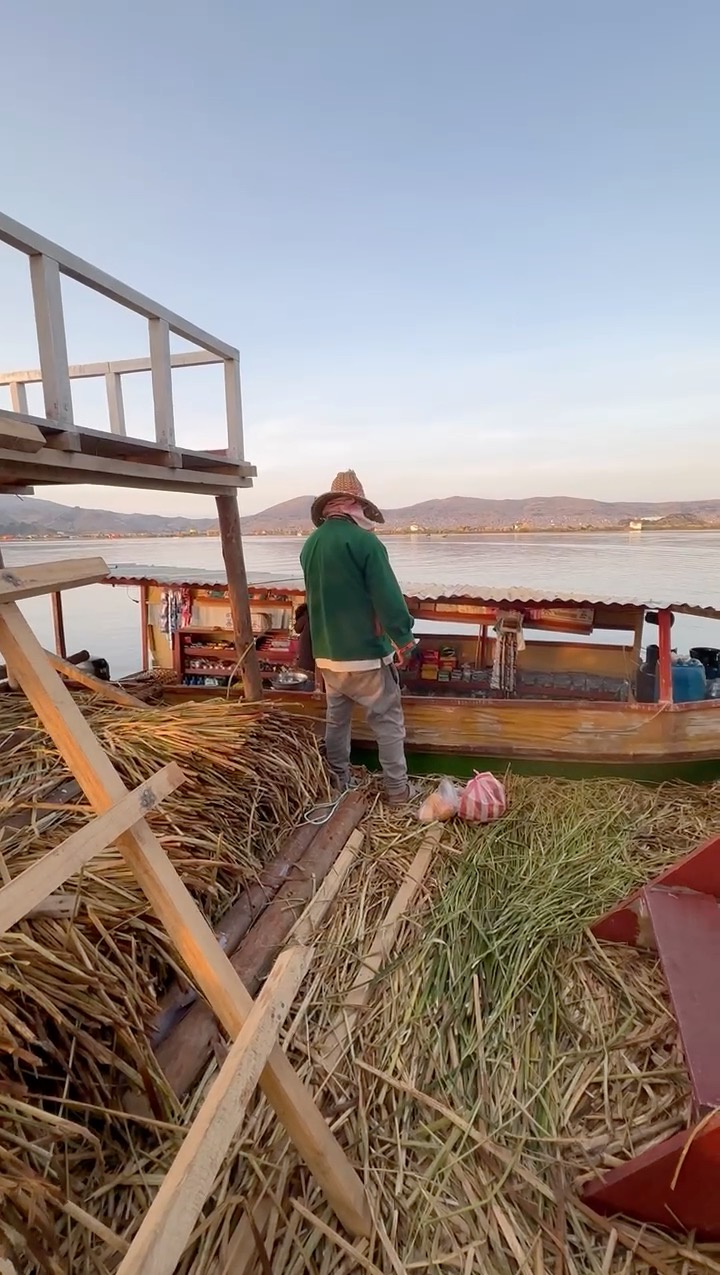
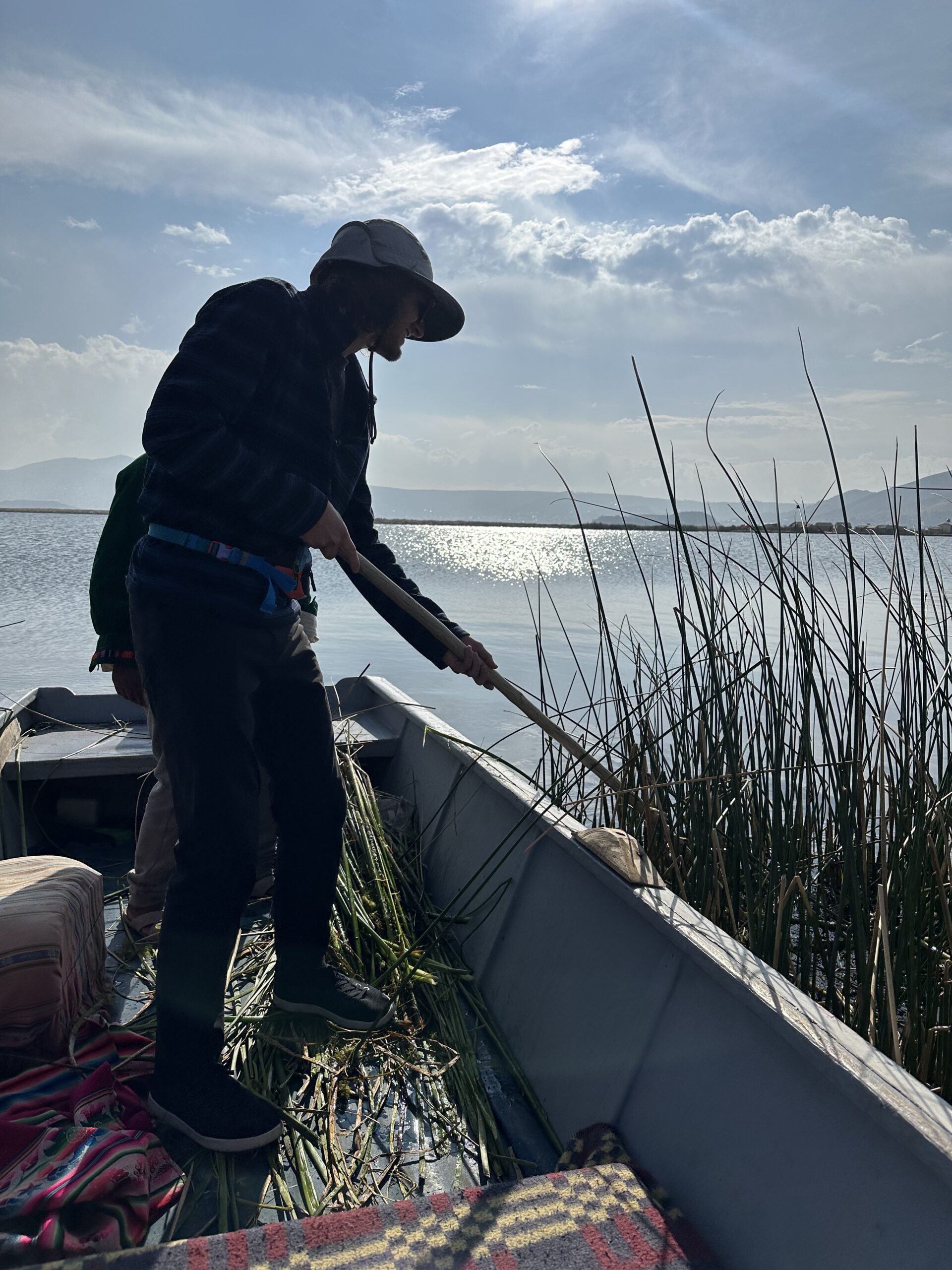
Uros is an autonomous community made up of over 100 floating islands and around 3000 people in the Peruvian side of Lake Titicaca. The Uru are an indigenous people group who have lived on Lake Titicaca in various forms. Prior to making floating islands, they lived in boats. Now they make their homes by cutting parcels off of natural islands and adding thick layers of reeds on top.
Each island in Uros has a handful of families. Each family is responsible for collecting reeds and adding them to the island: every 5 days in winter and every 15 days in summer. Each island elects a president. If any family who is able to contribute to the upkeep of the island doesn’t do so, then the president will take a saw and cut away that family’s portion of the island.
The community is completely autonomous and does not consider itself part of Peru. Uros is outside the Peruvian police’s jurisdiction, and they must prearrange a visit if they want to come to the islands. There are many tourists that come through Uros for a few hours or for overnight homestays. They collect 5 Soles (about $1.25) from each tourist. The presidents of all of the islands meet occasionally to vote on how this money will be used and other community matters. The tourist tax has been used to build schools, for medical care for sick people in the community, and to take care of people who are unable to work.
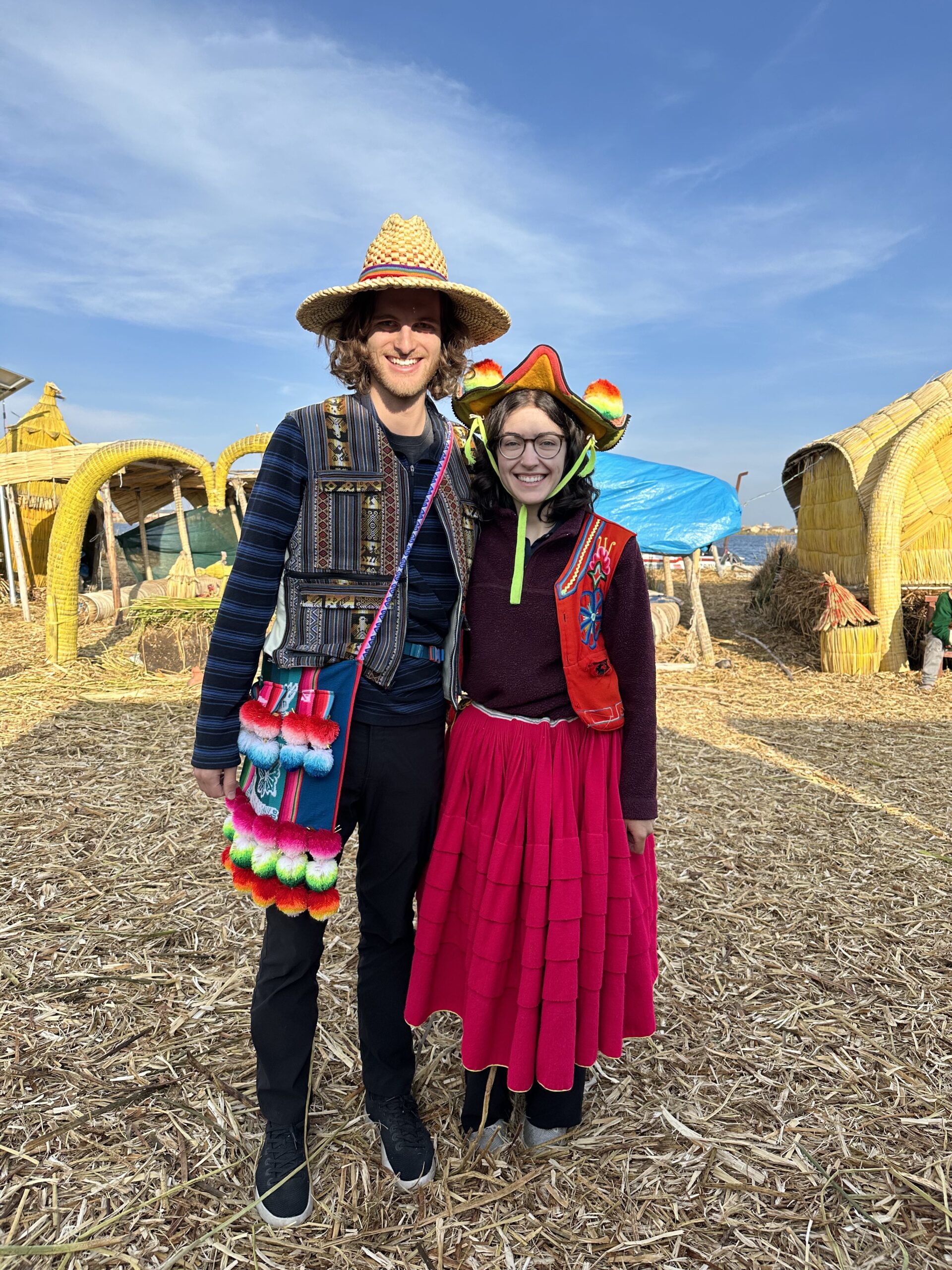
Parts of our stay in Uros felt cultivated for tourists, like in the photo to the left when they had us dress us up in traditional clothes to take a picture. However, it would be unrealistic to expect to be immersed in the authentic culture in just a 24 hour visit. We are grateful for the glimpse of the way of living in Uros that we got to see.
We loved that the Uru are using tourism to support their community and to maintain and share their traditional way of life. Our host said his family’s life is much better when they are hosting on AirBnb rather than working through the night fishing.
Some Highlights from Peru & Bolivia
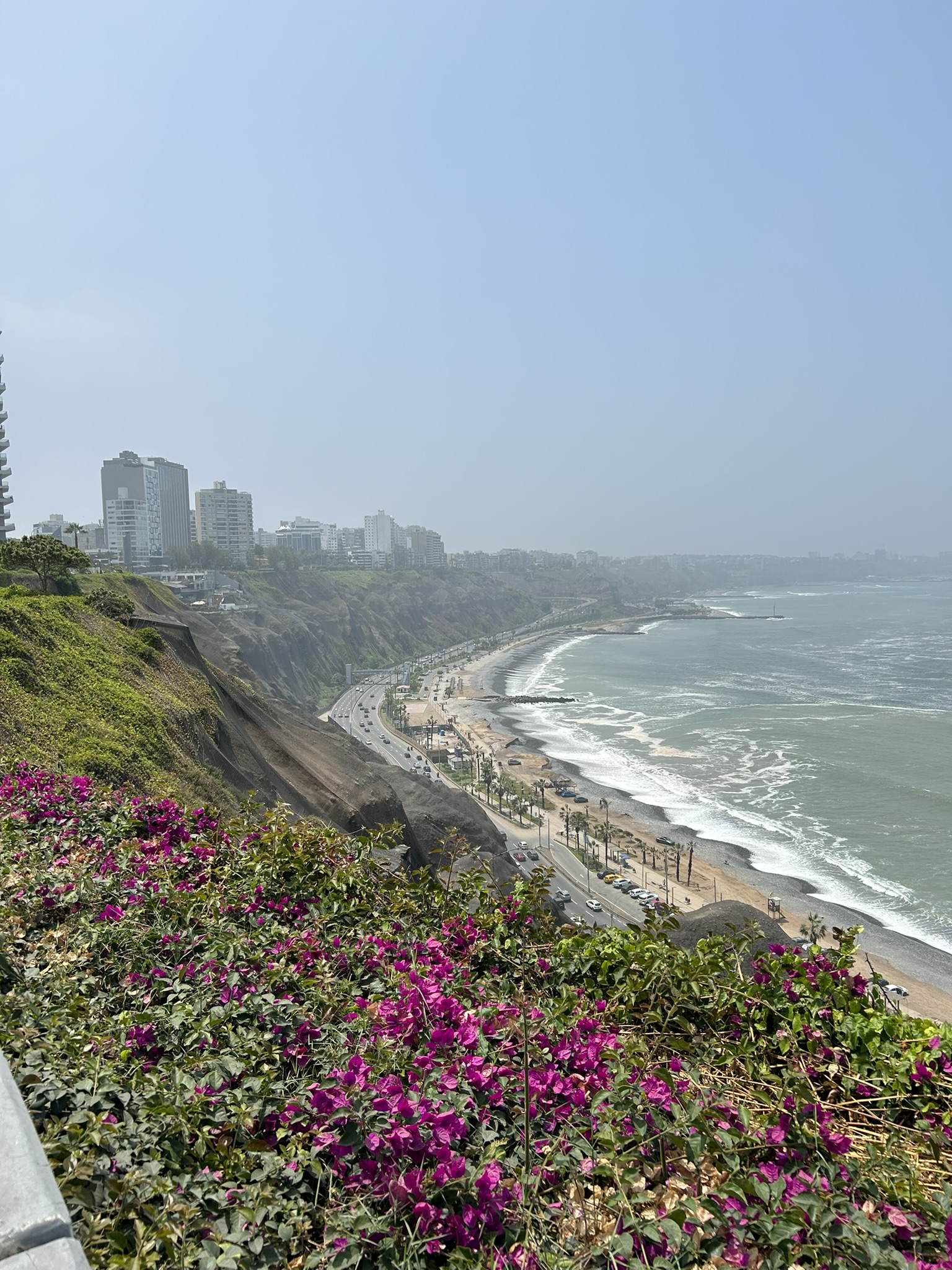
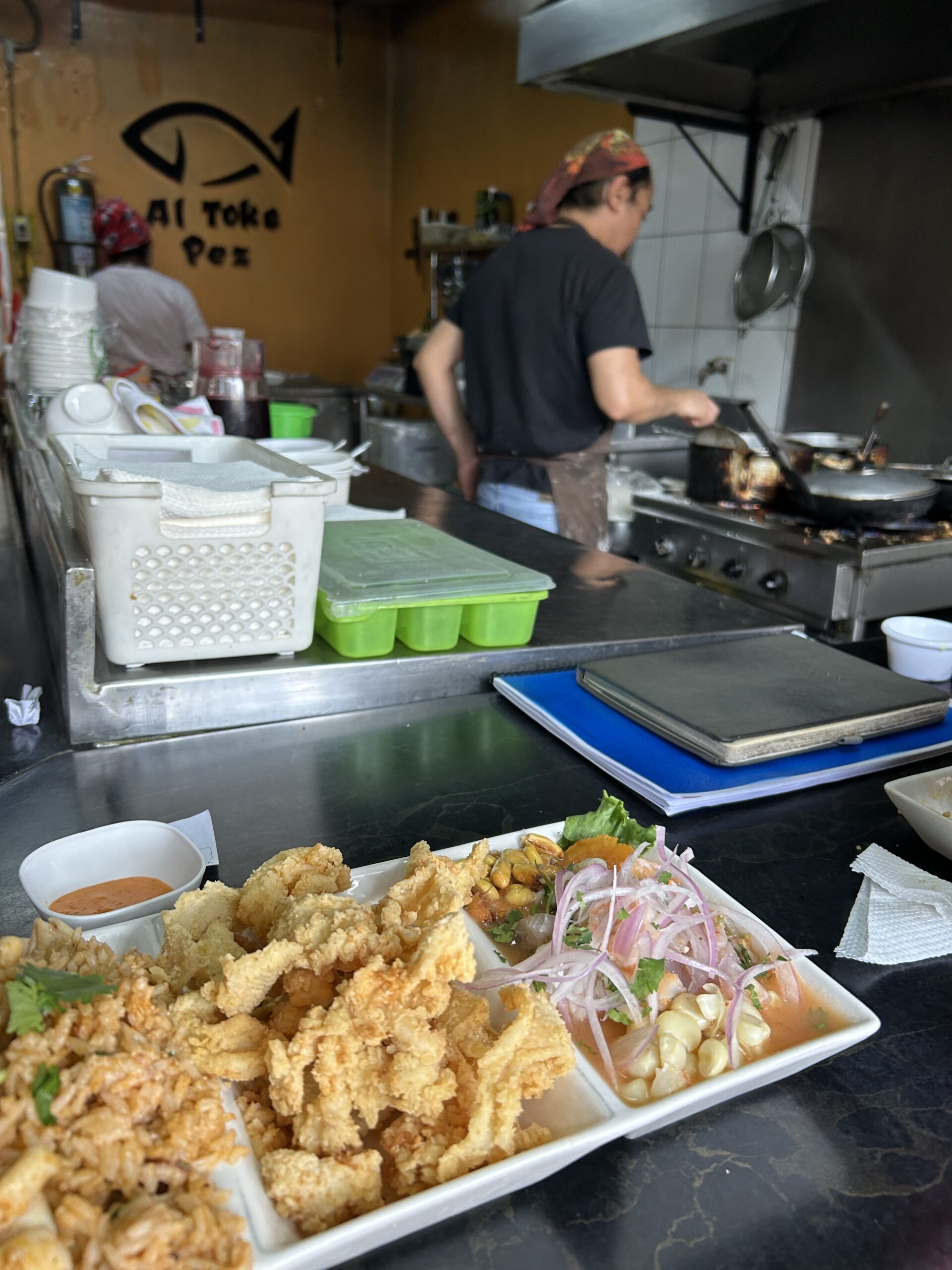
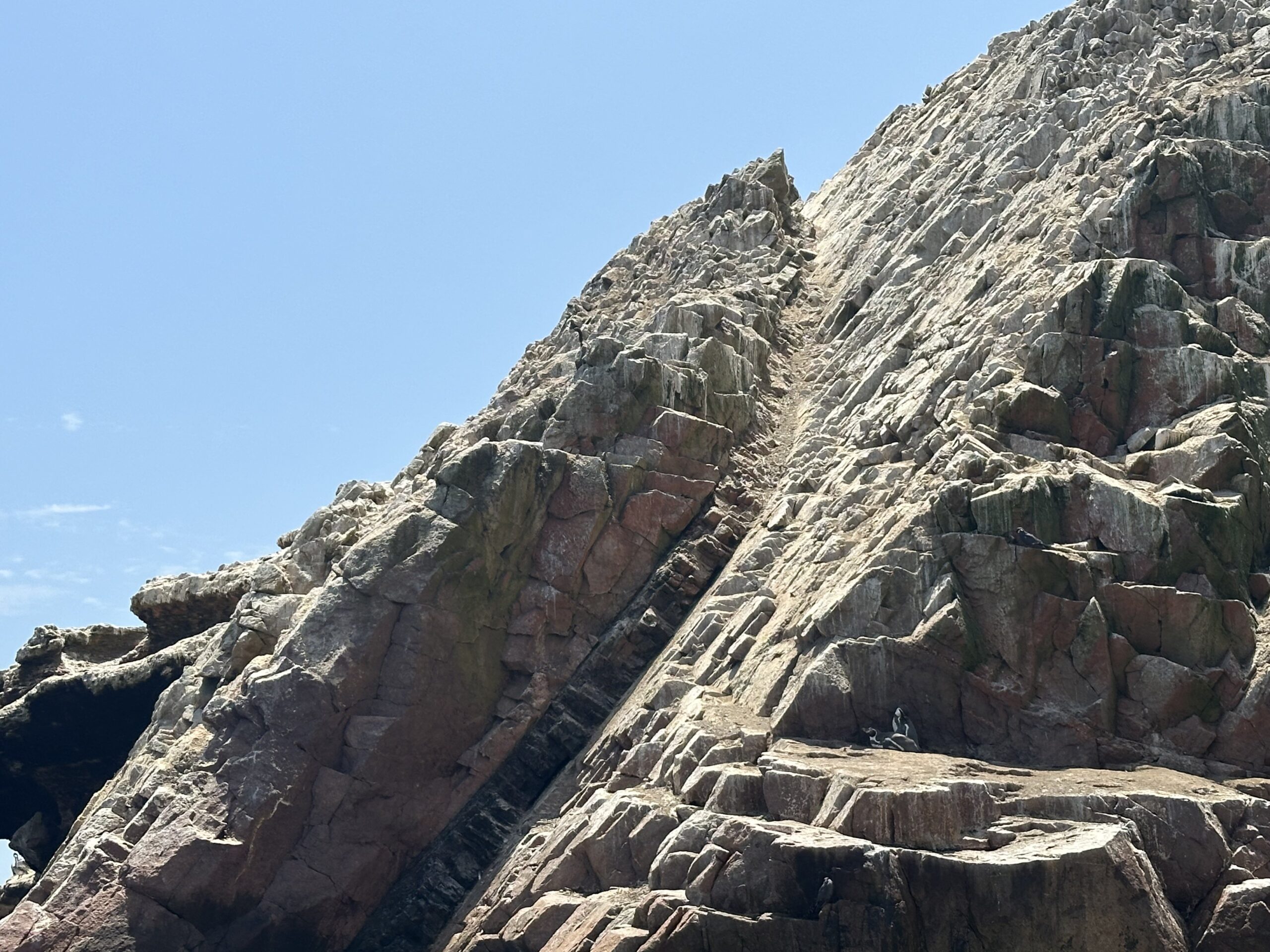
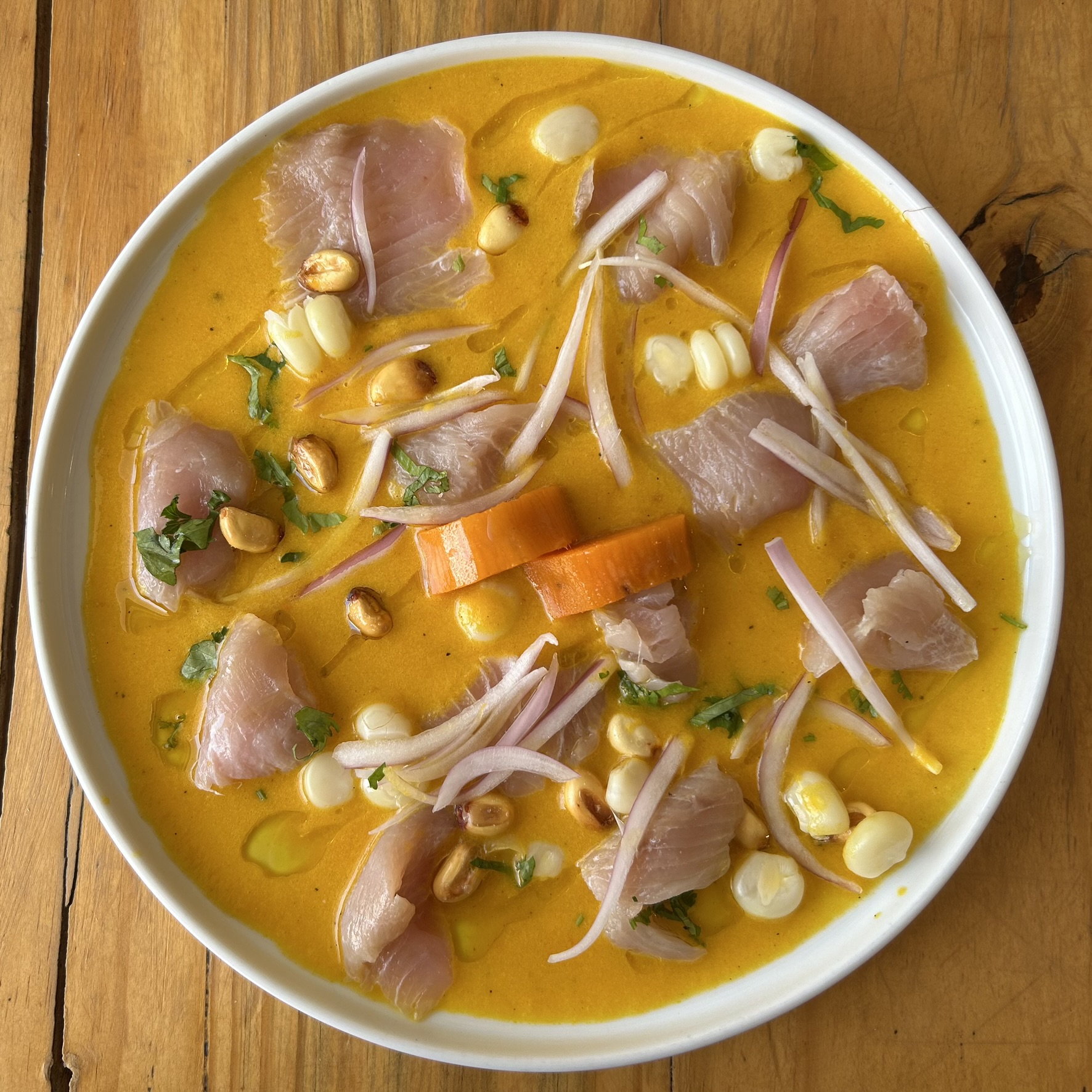
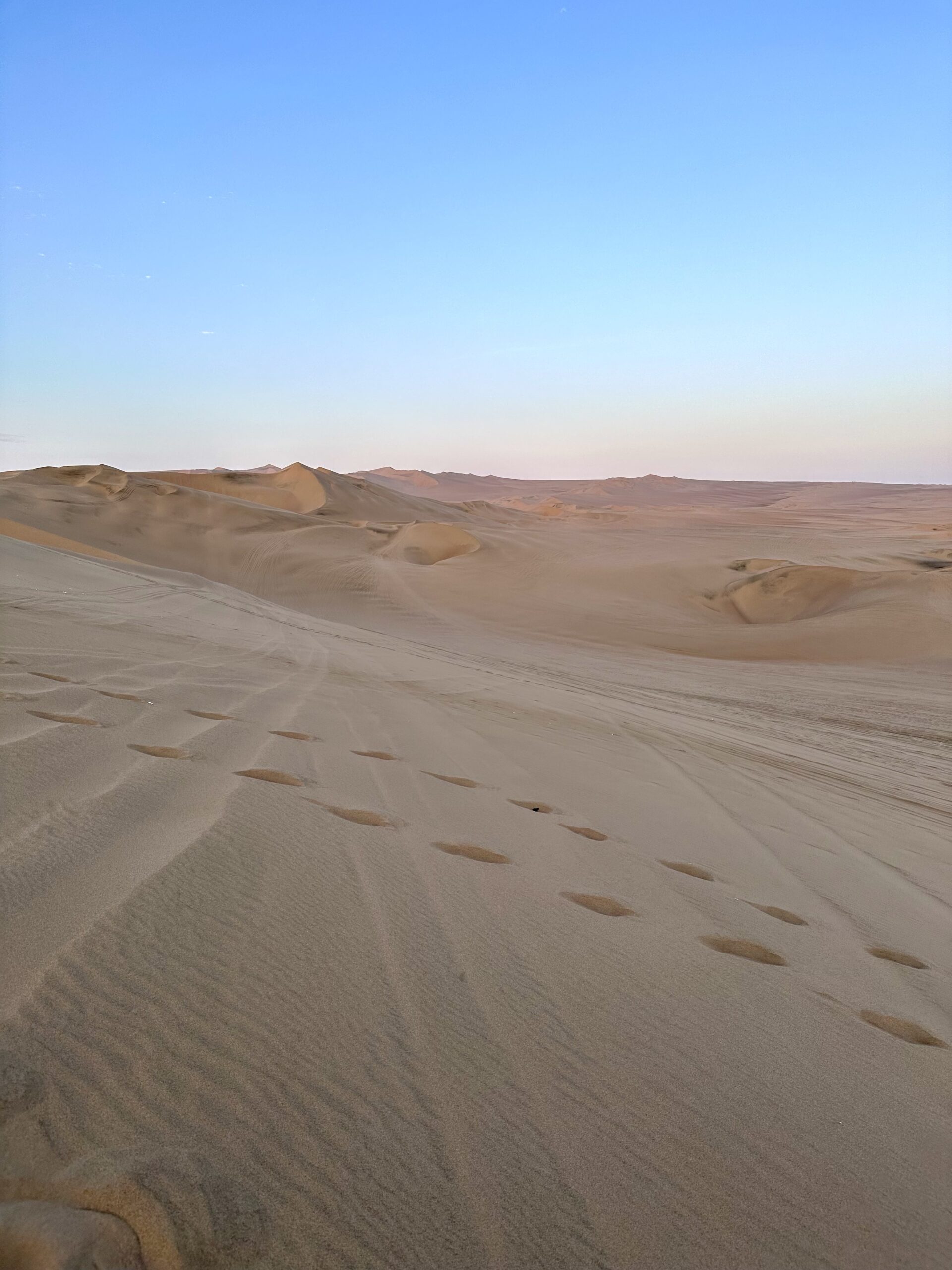
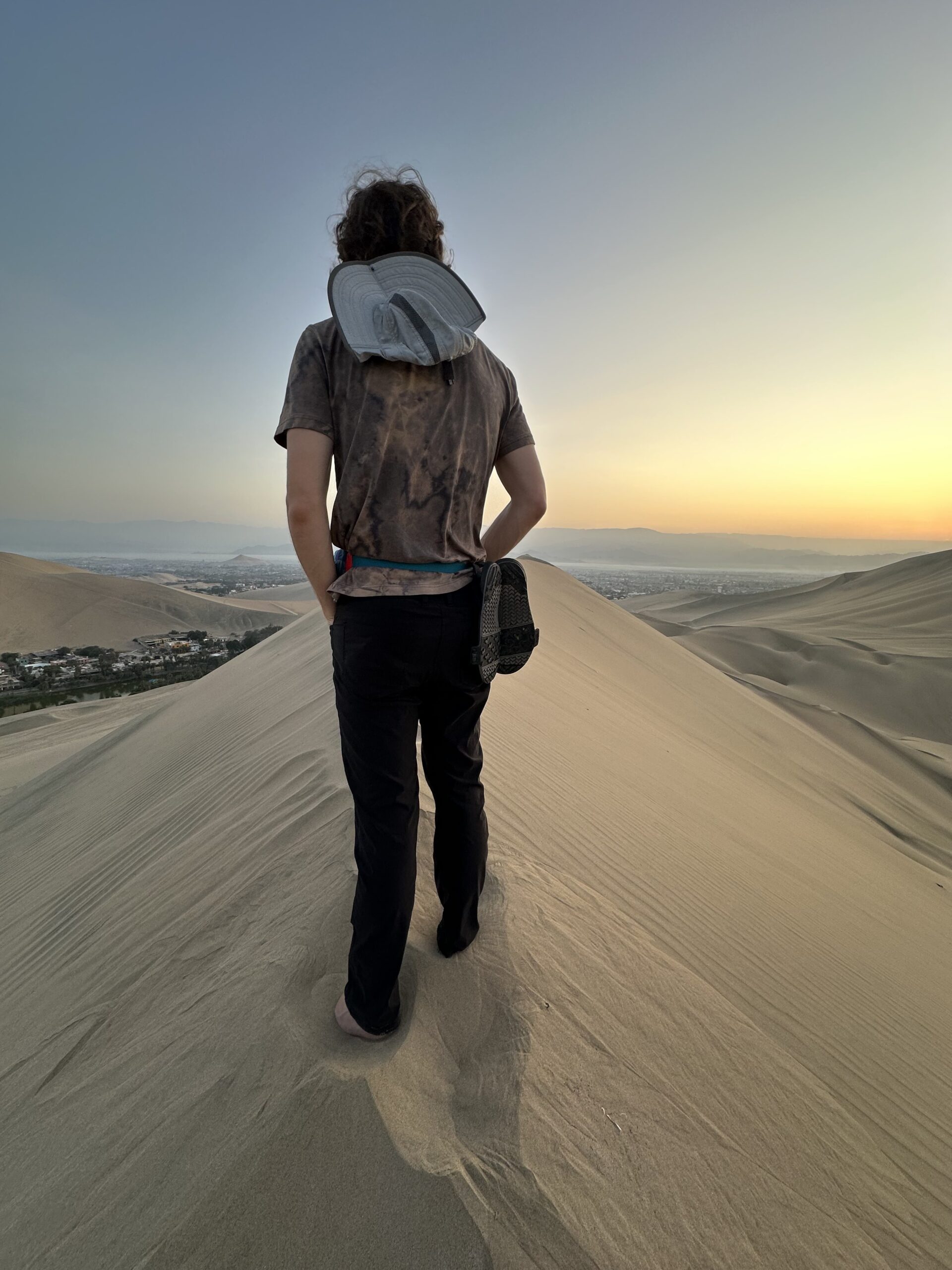
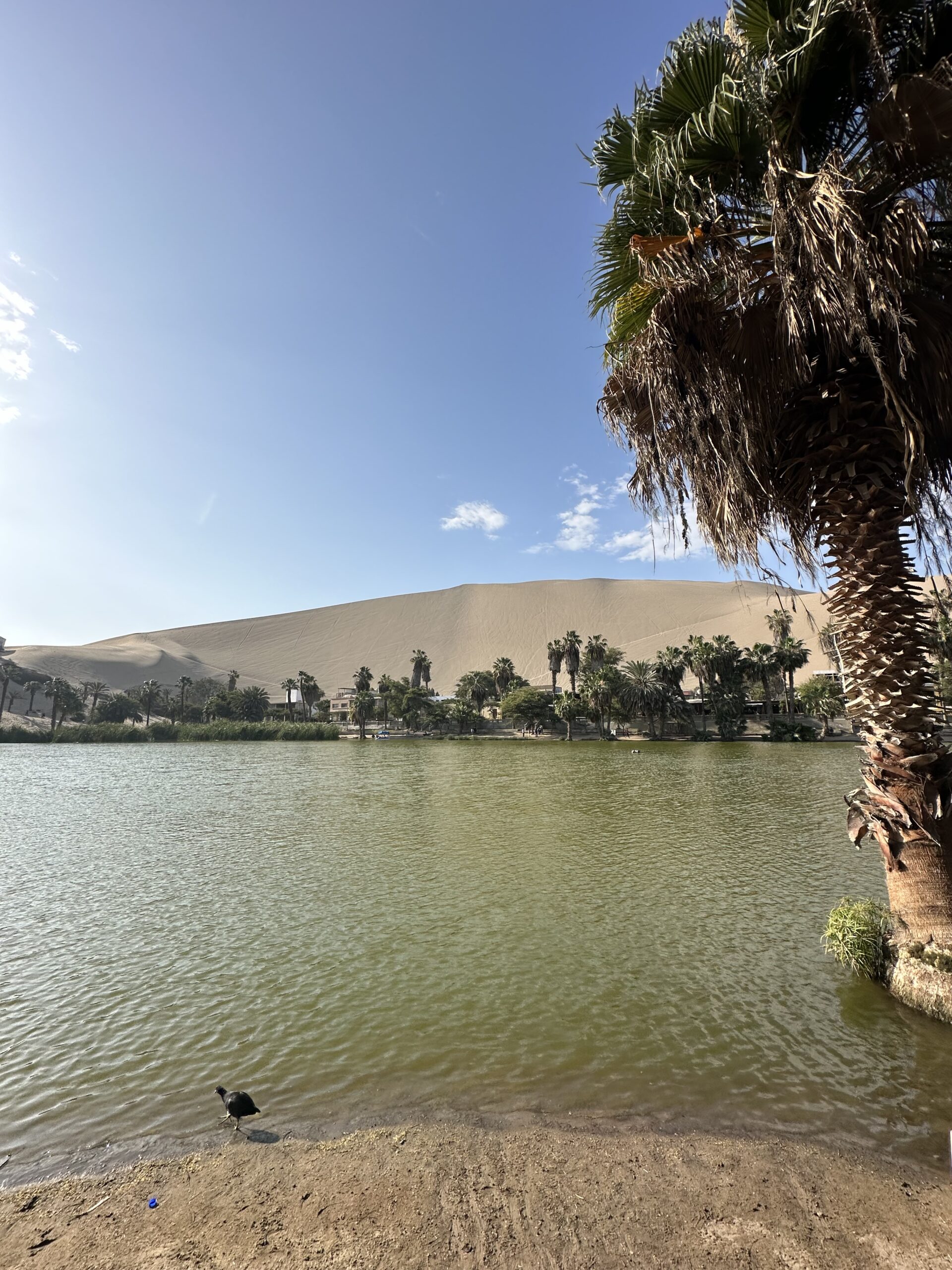
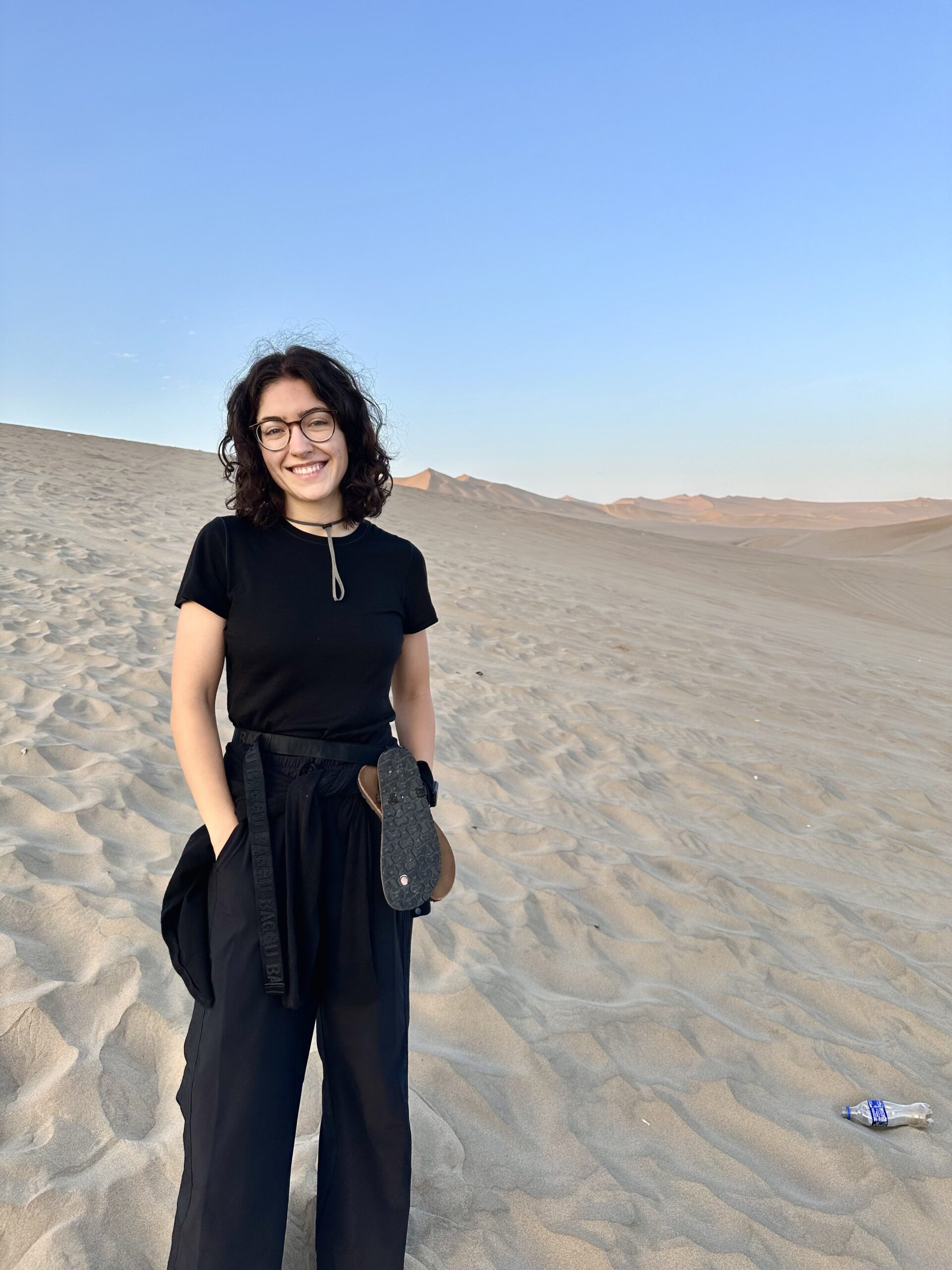
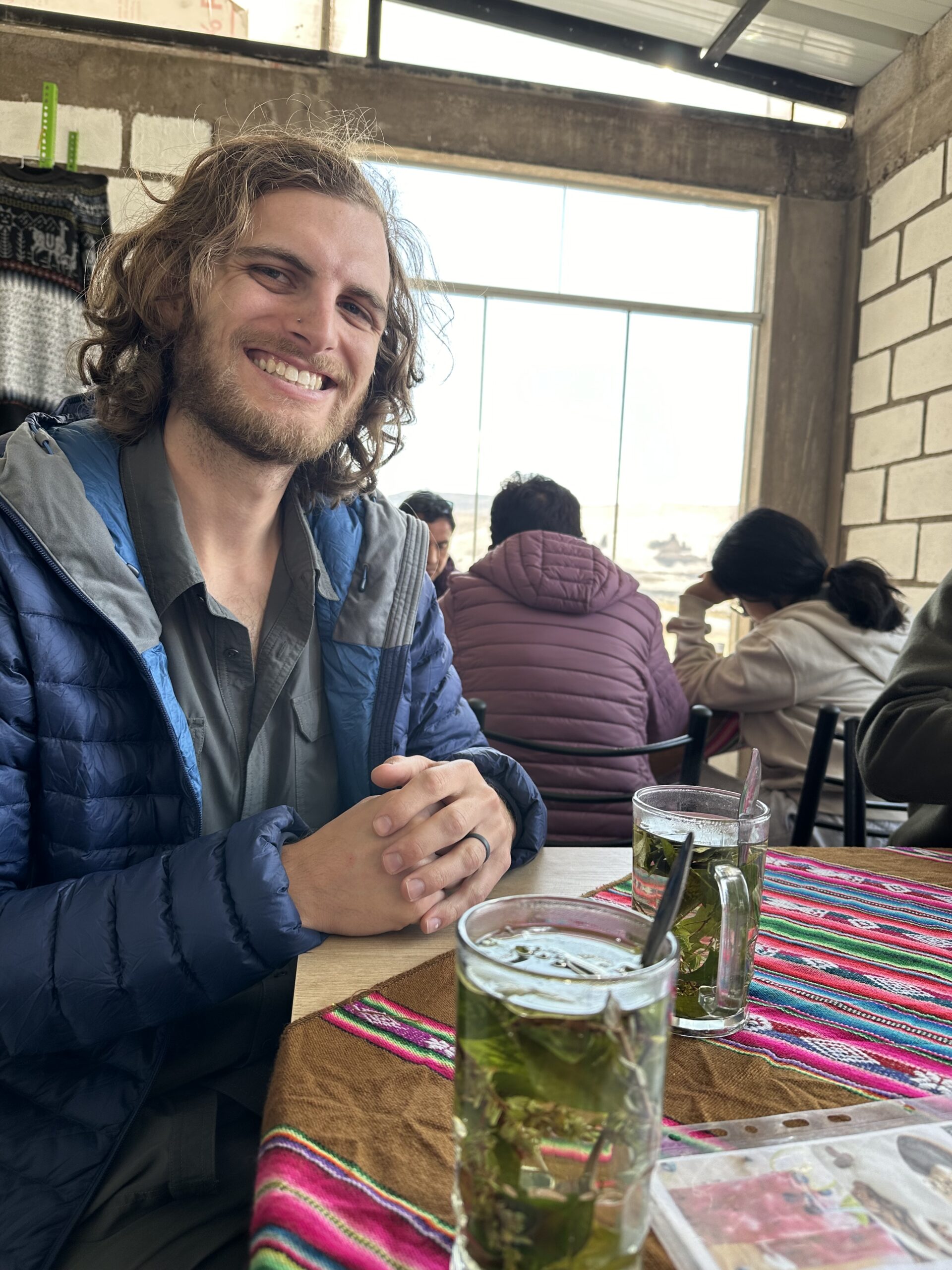
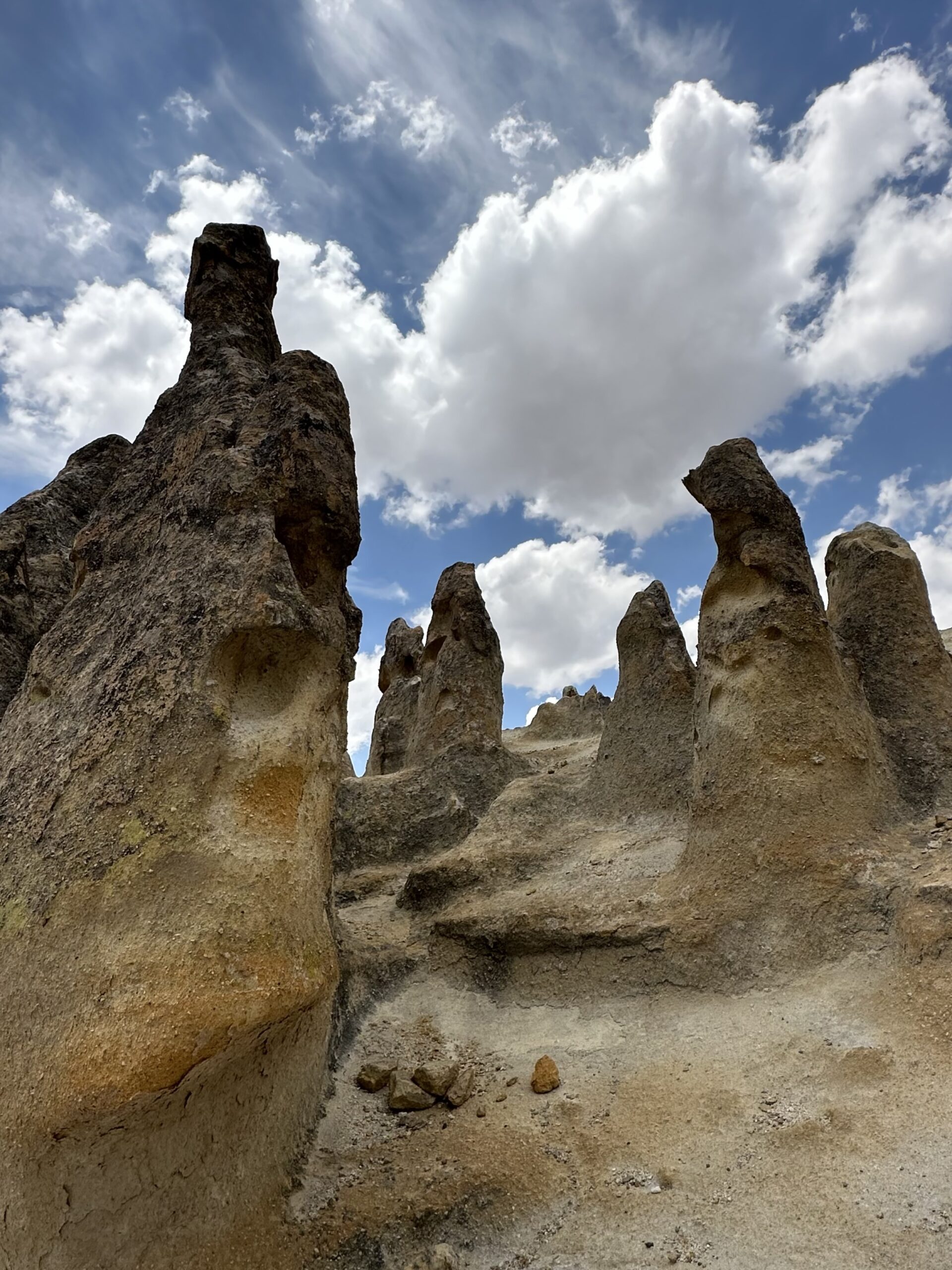
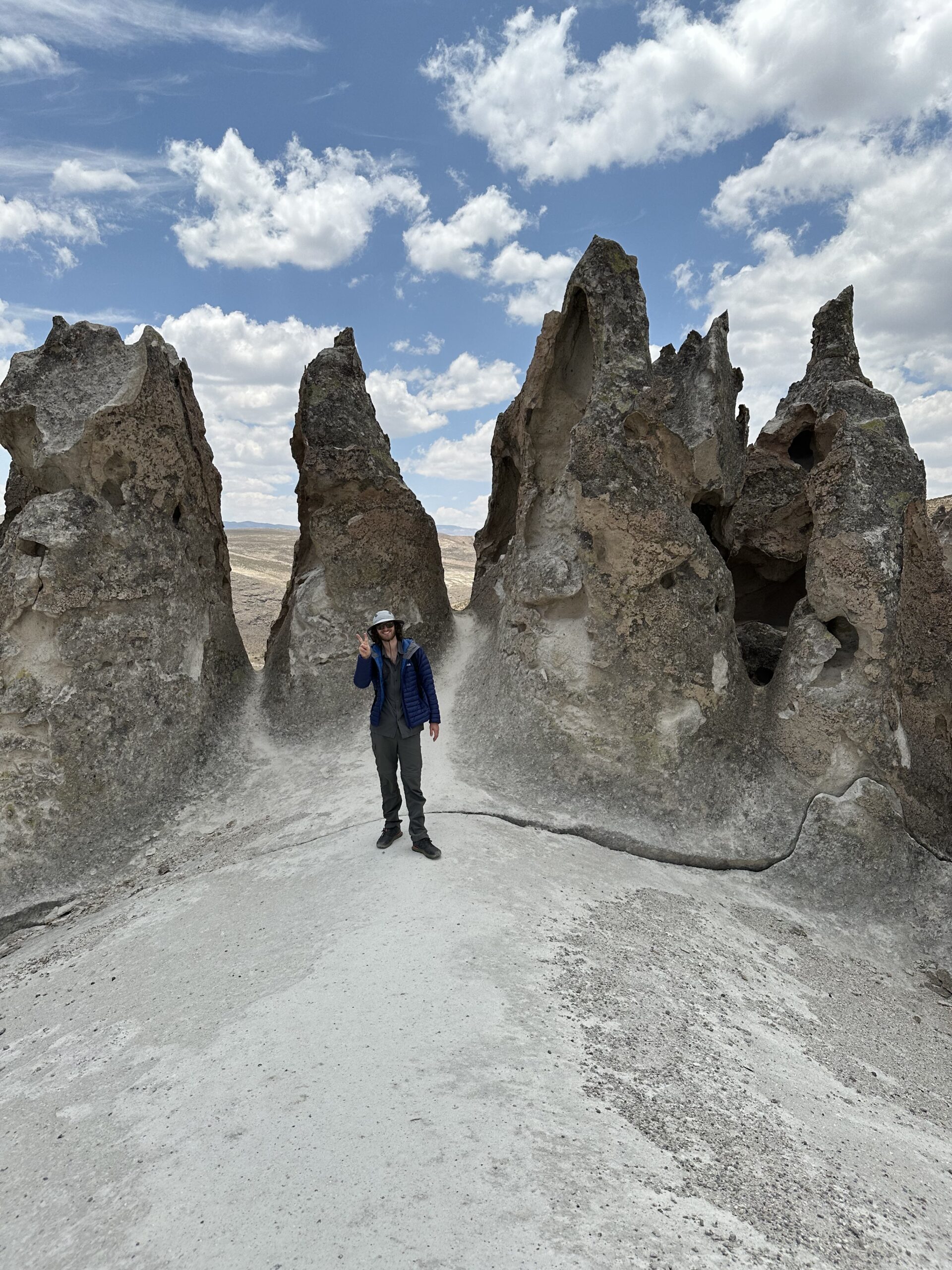
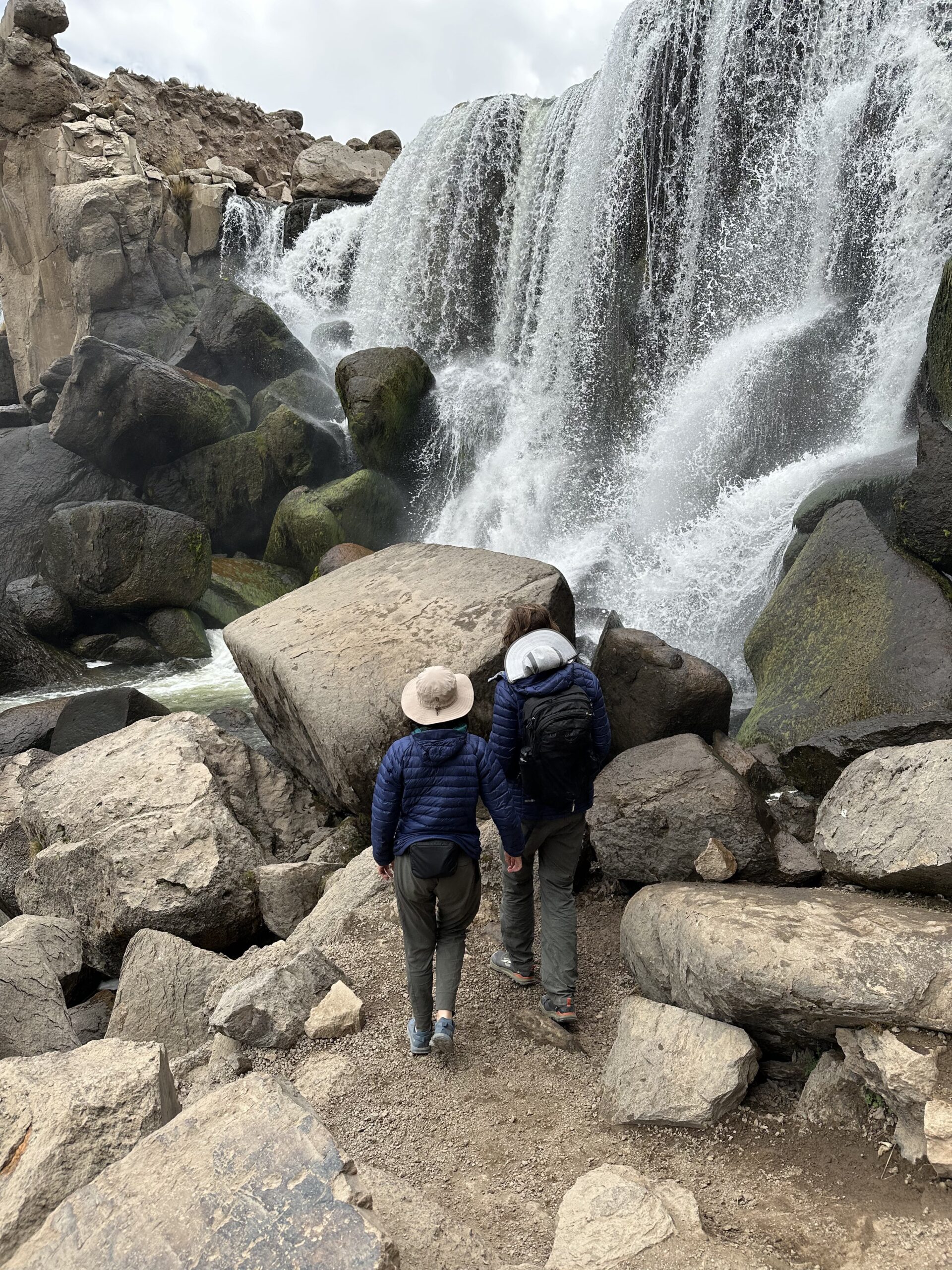
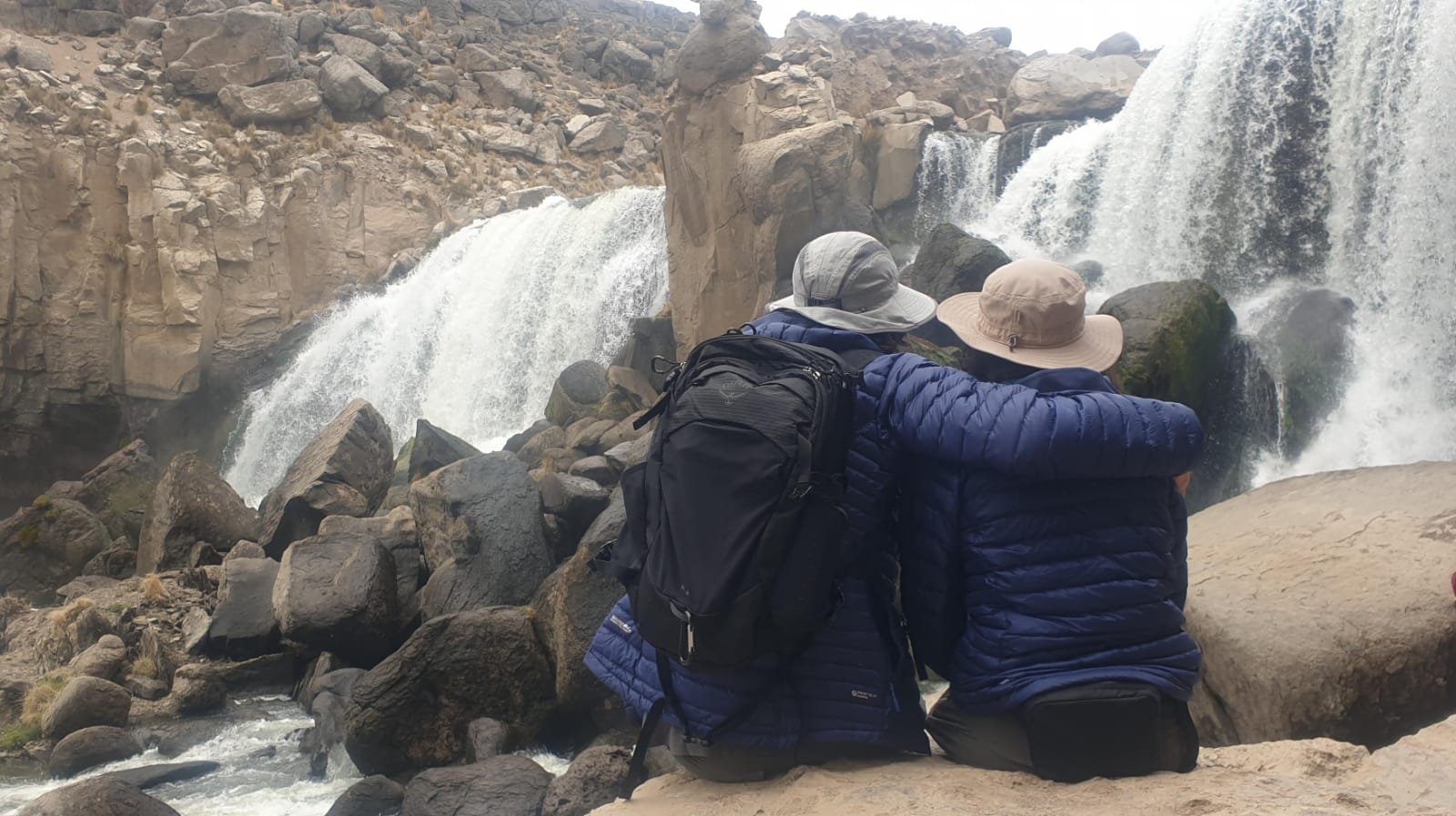
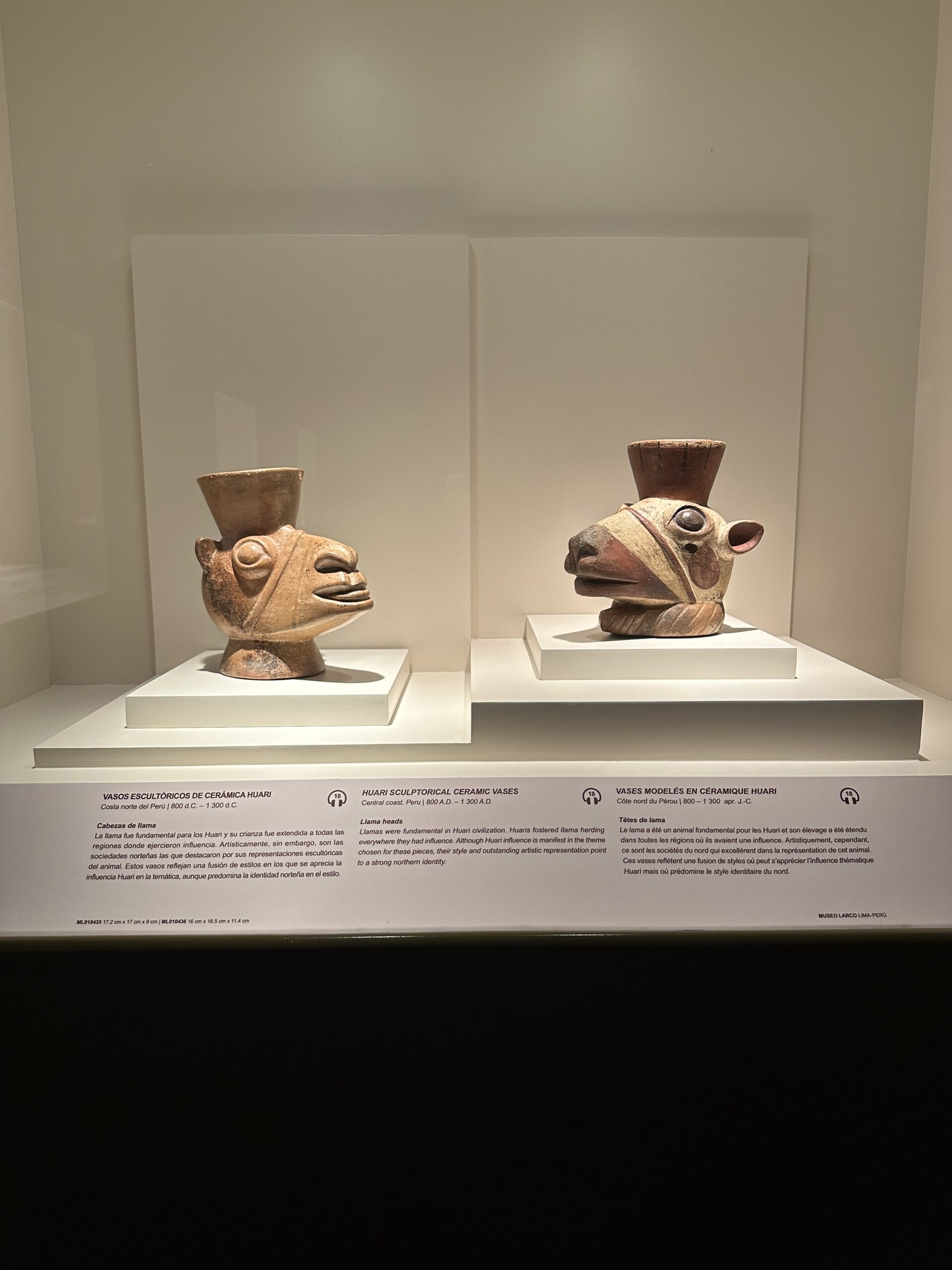
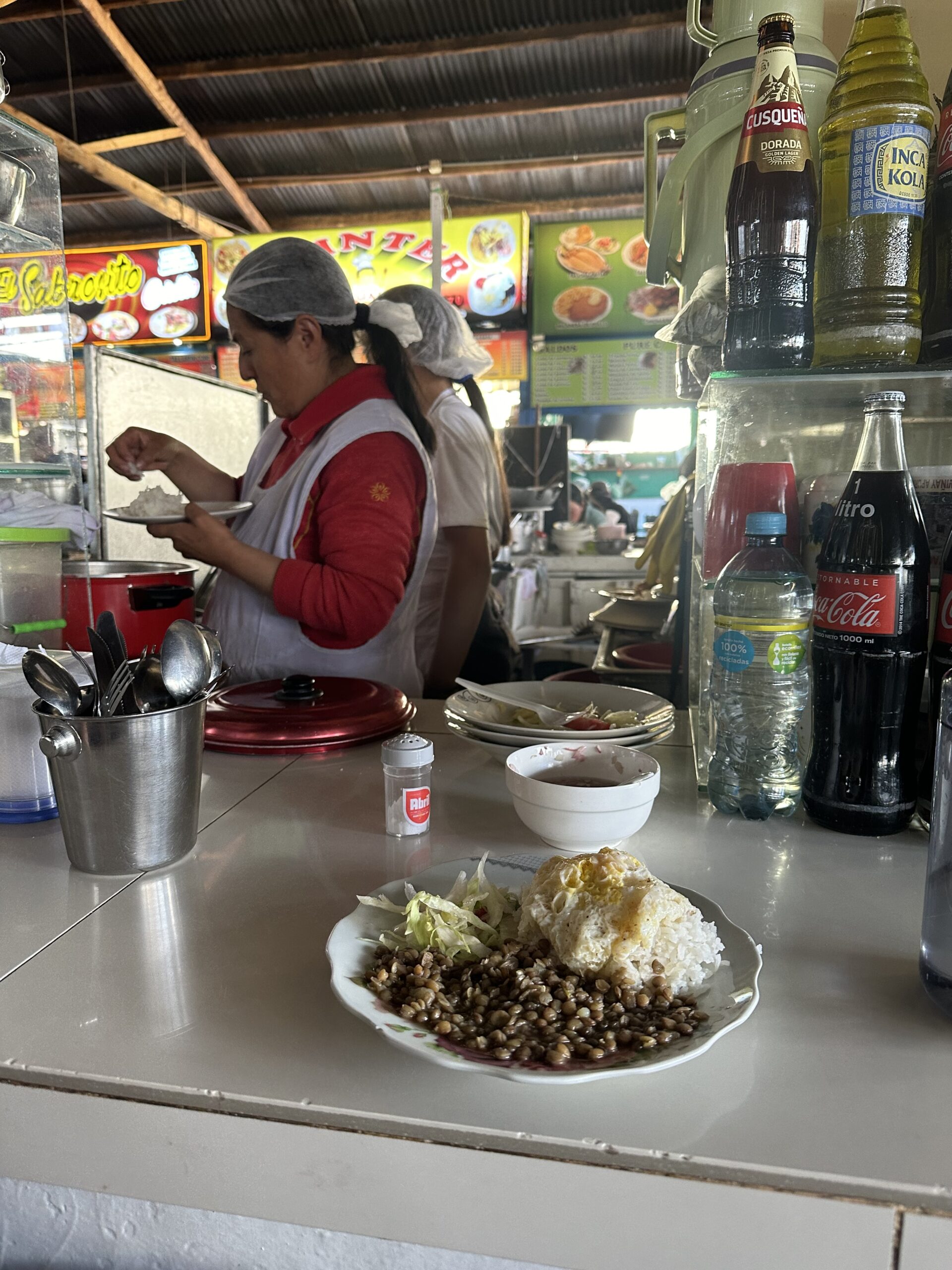
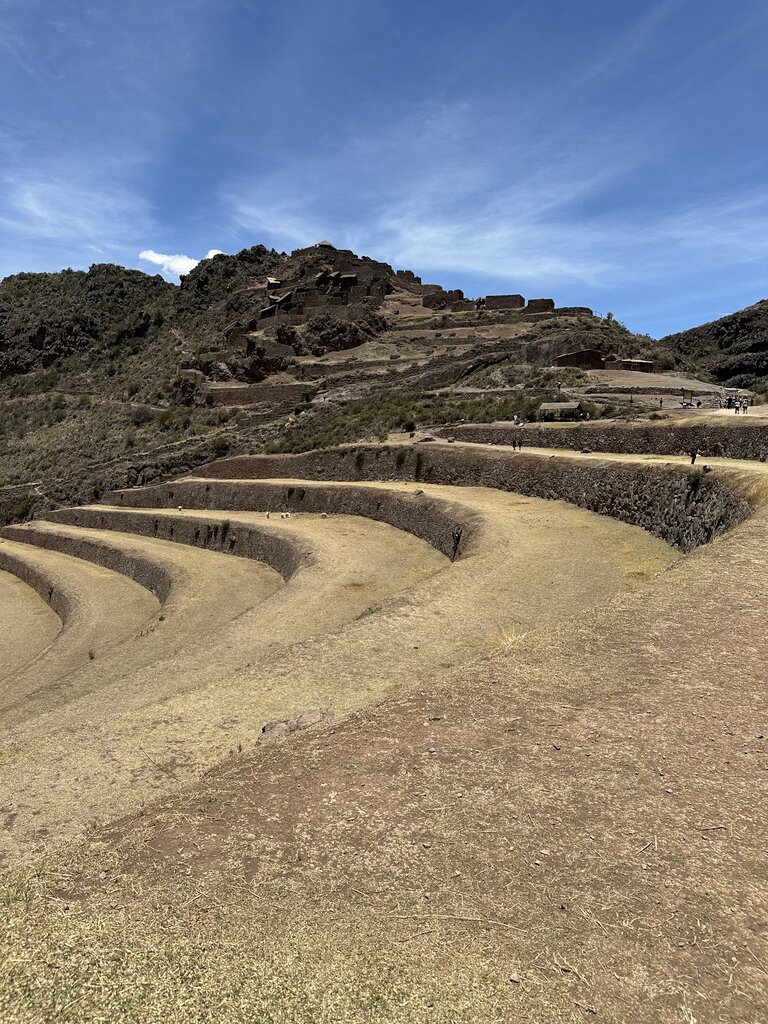
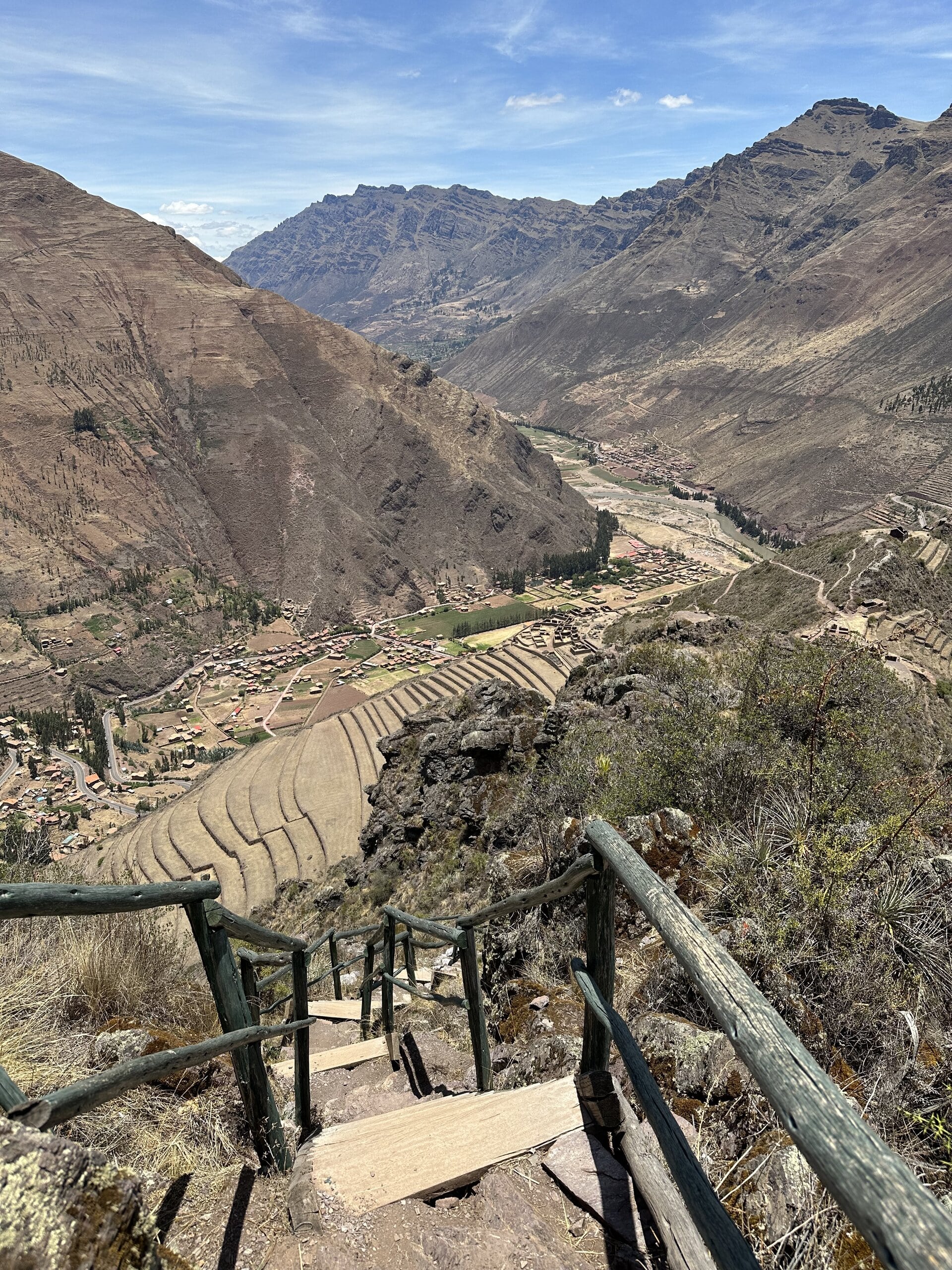
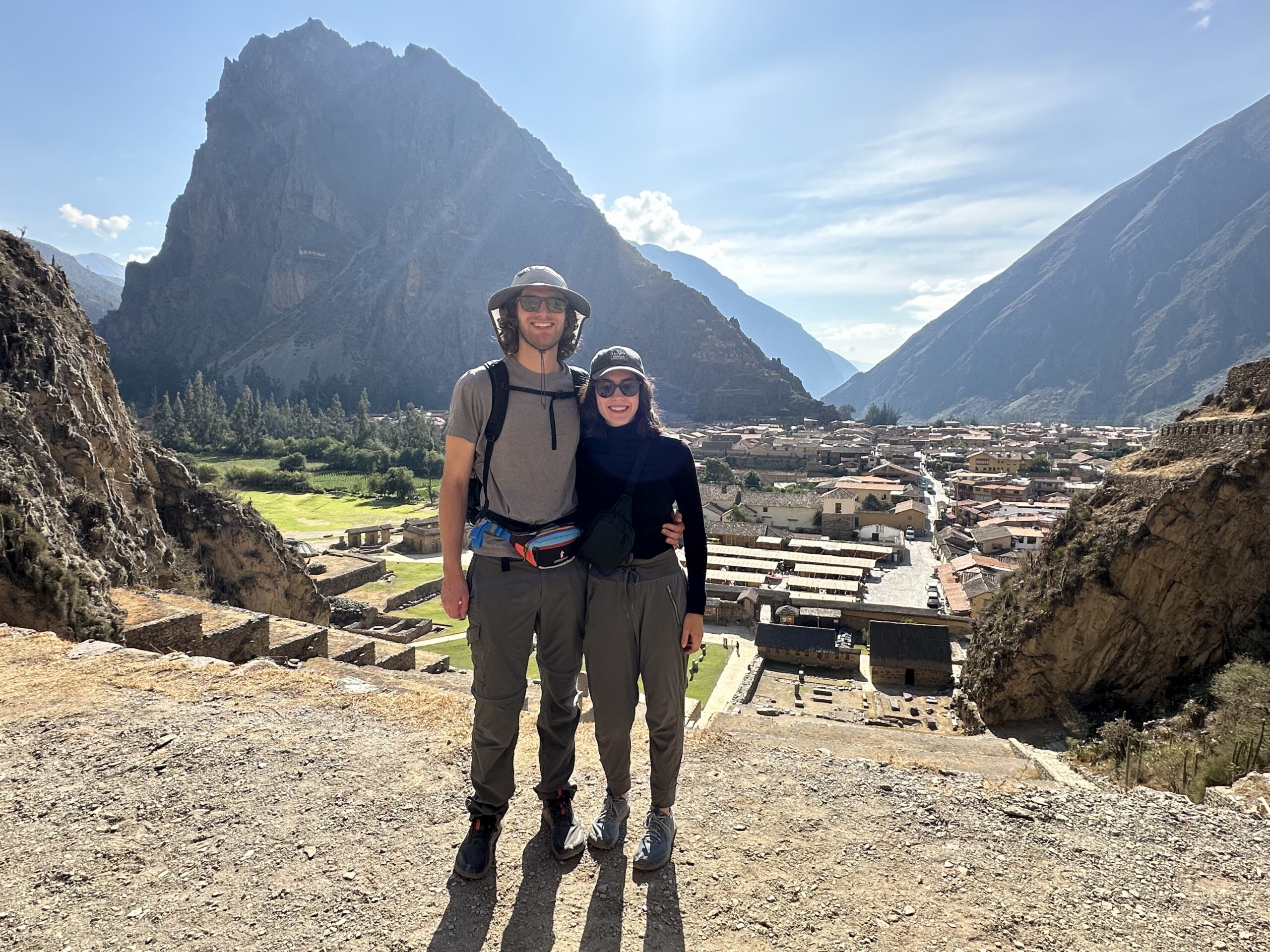
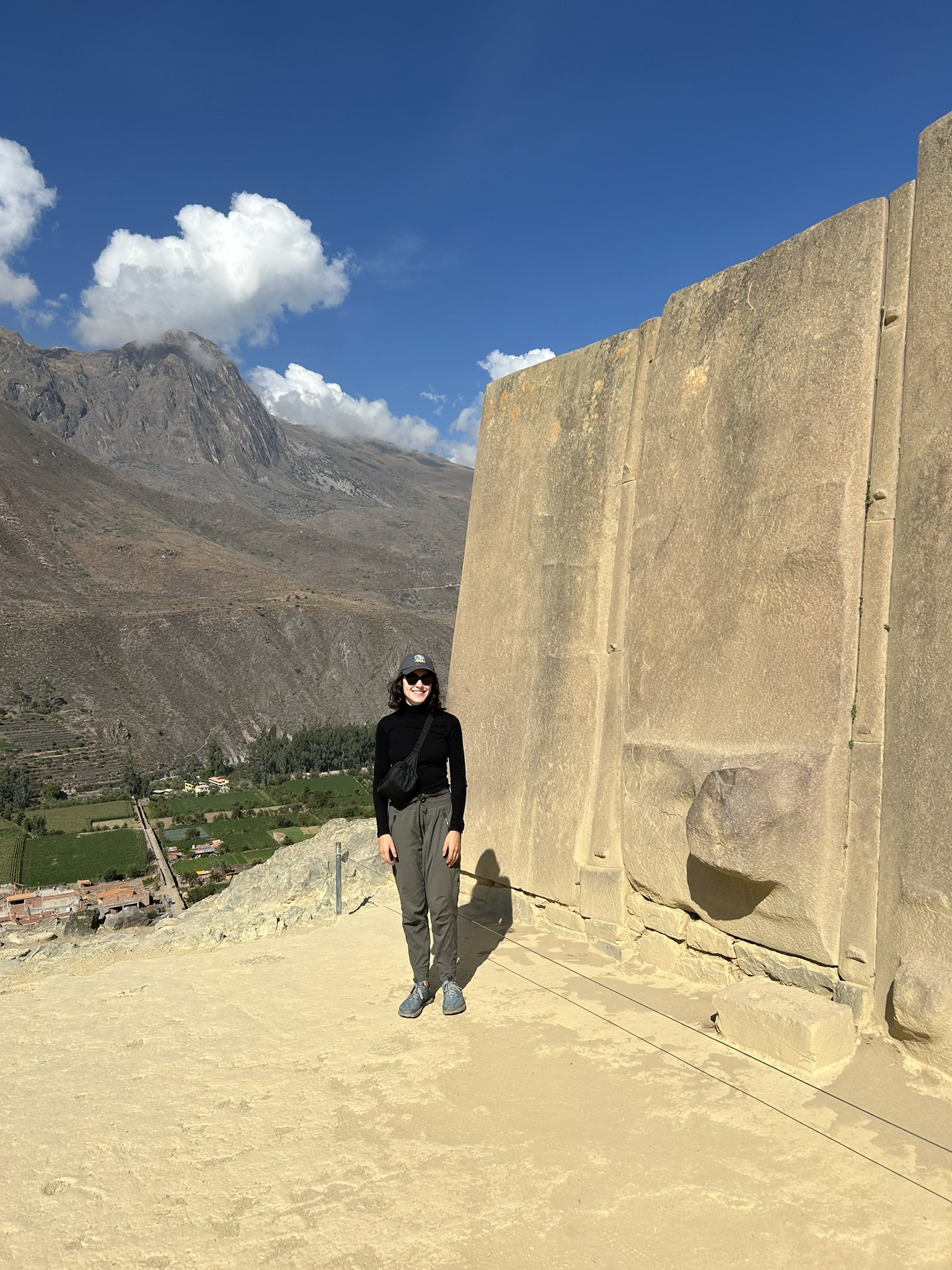
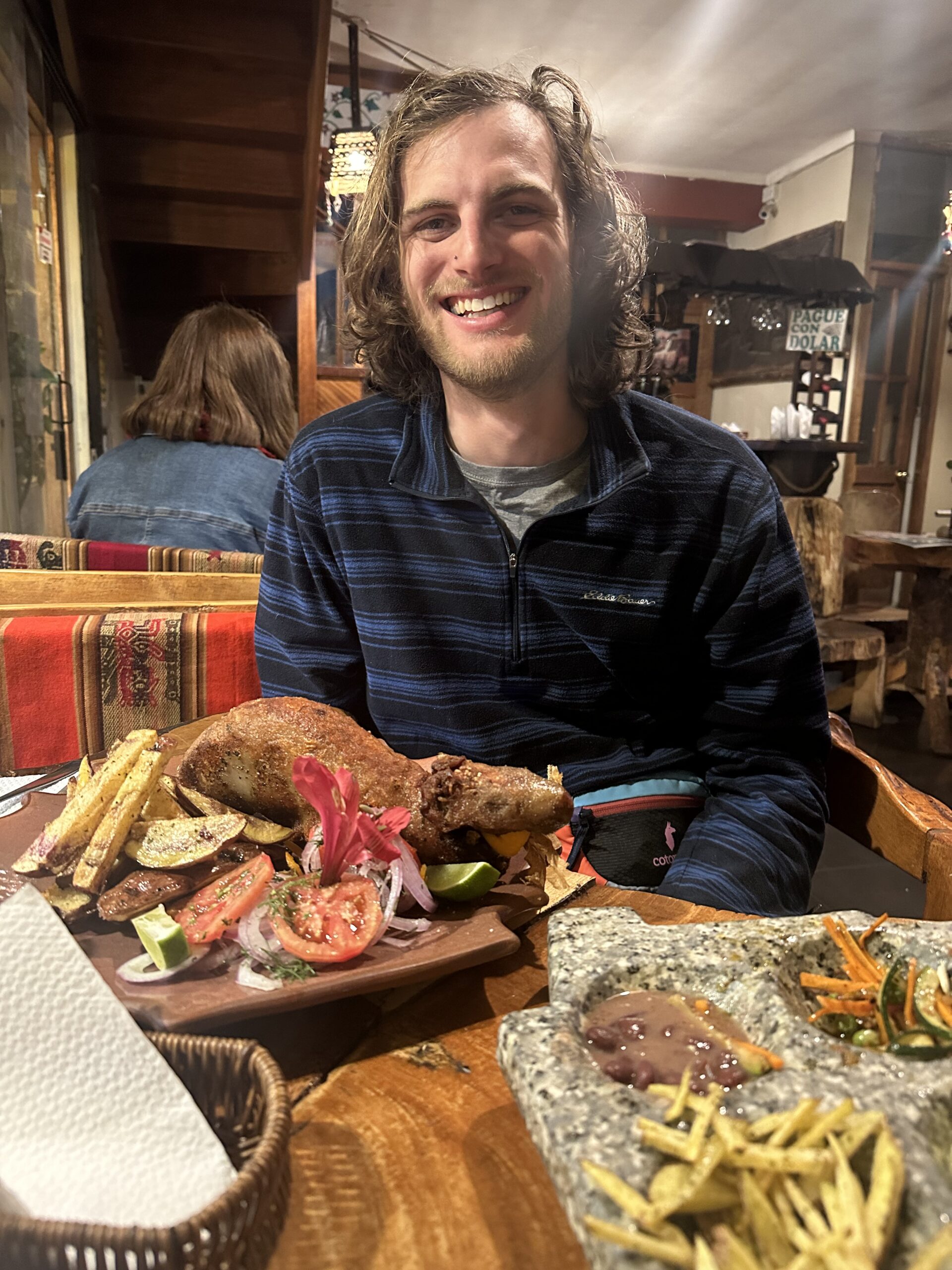
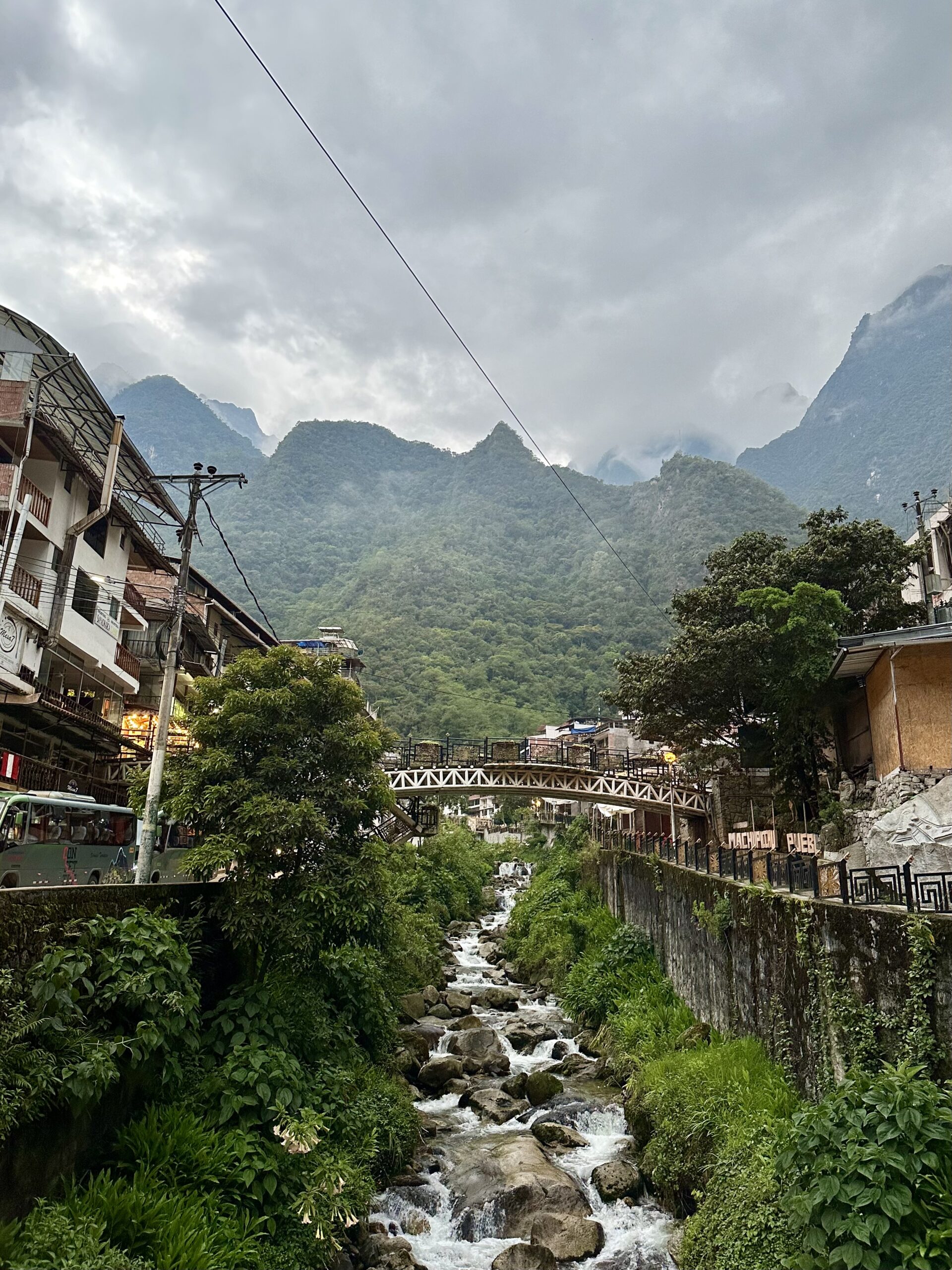
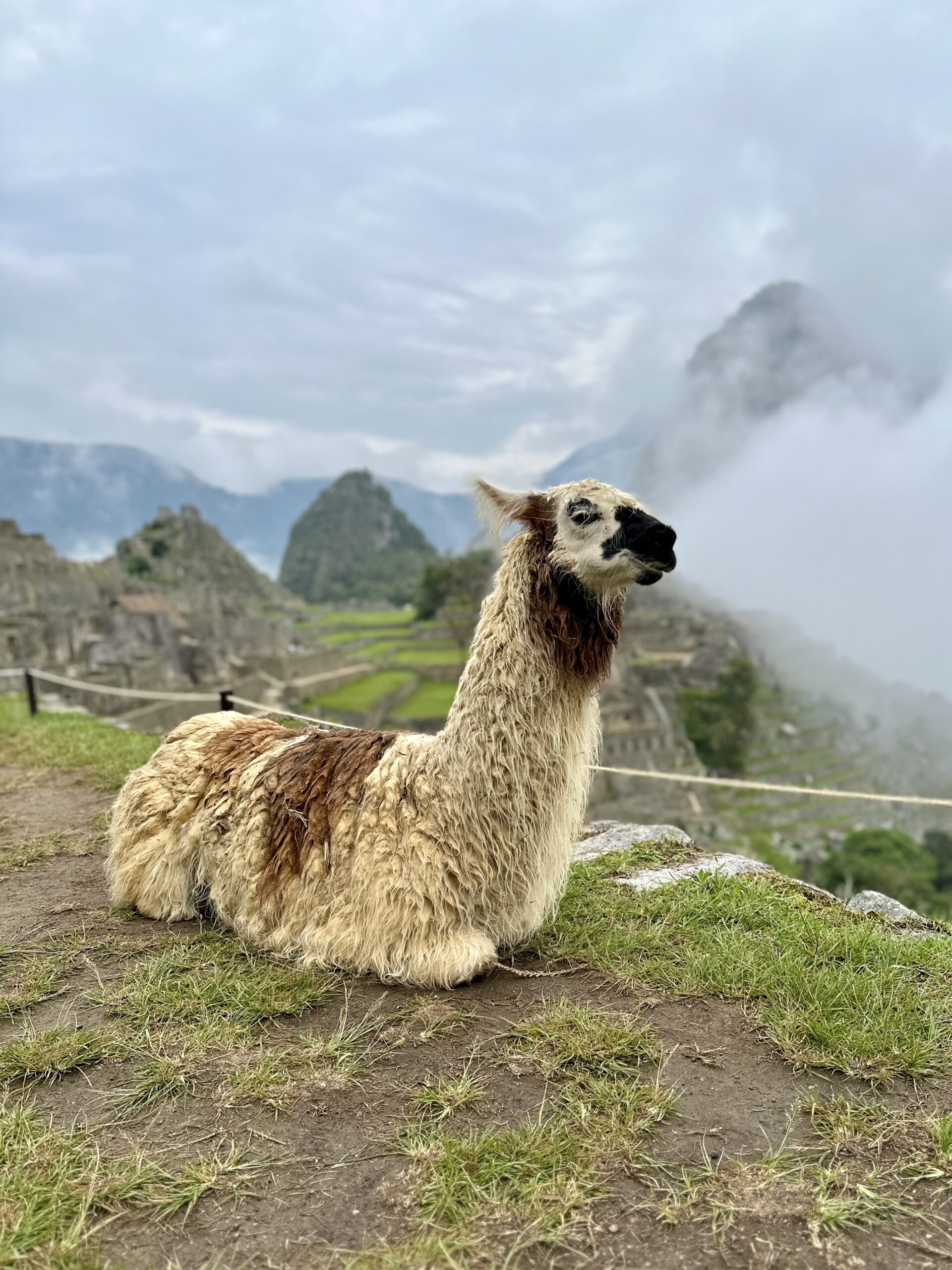
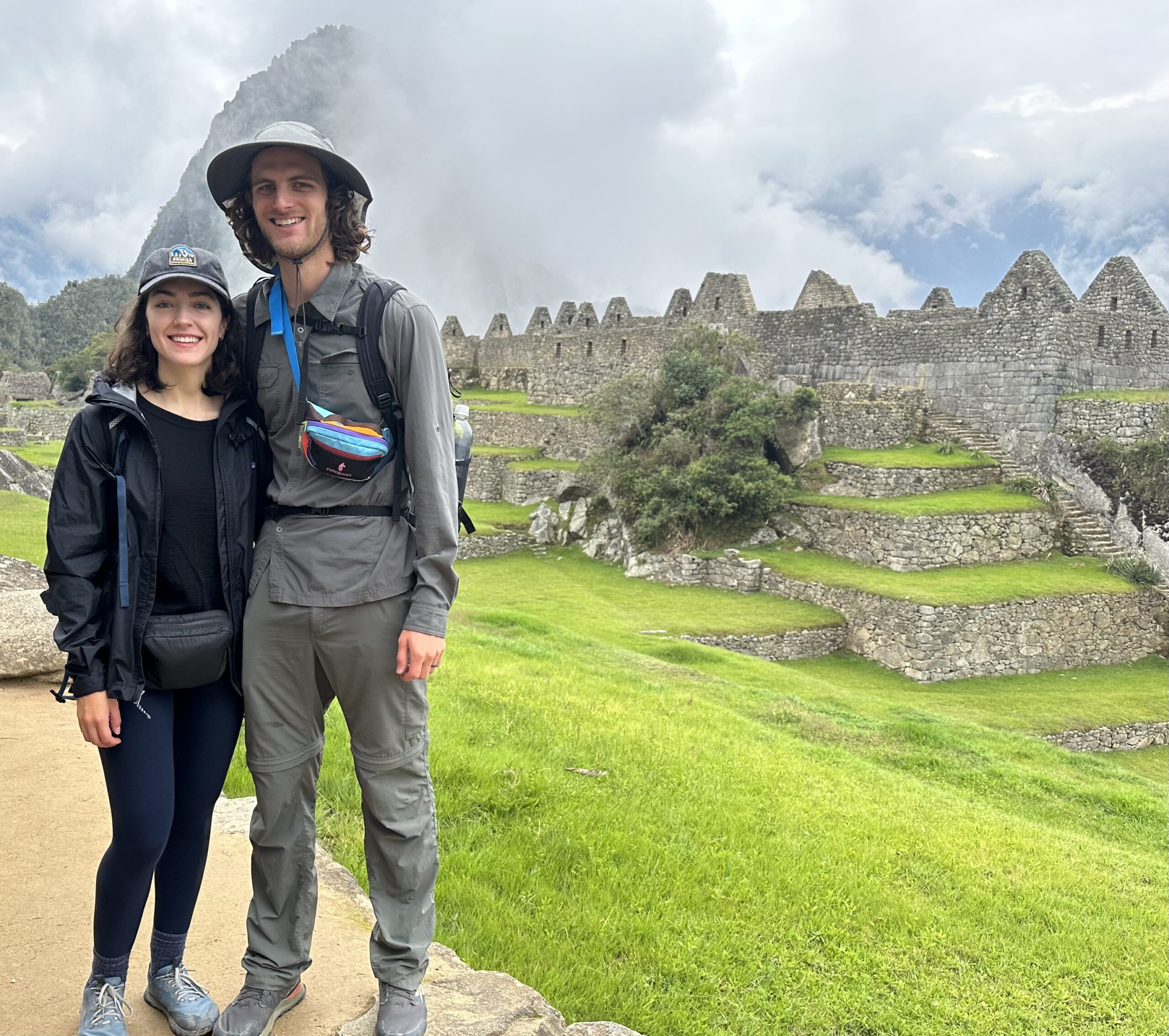
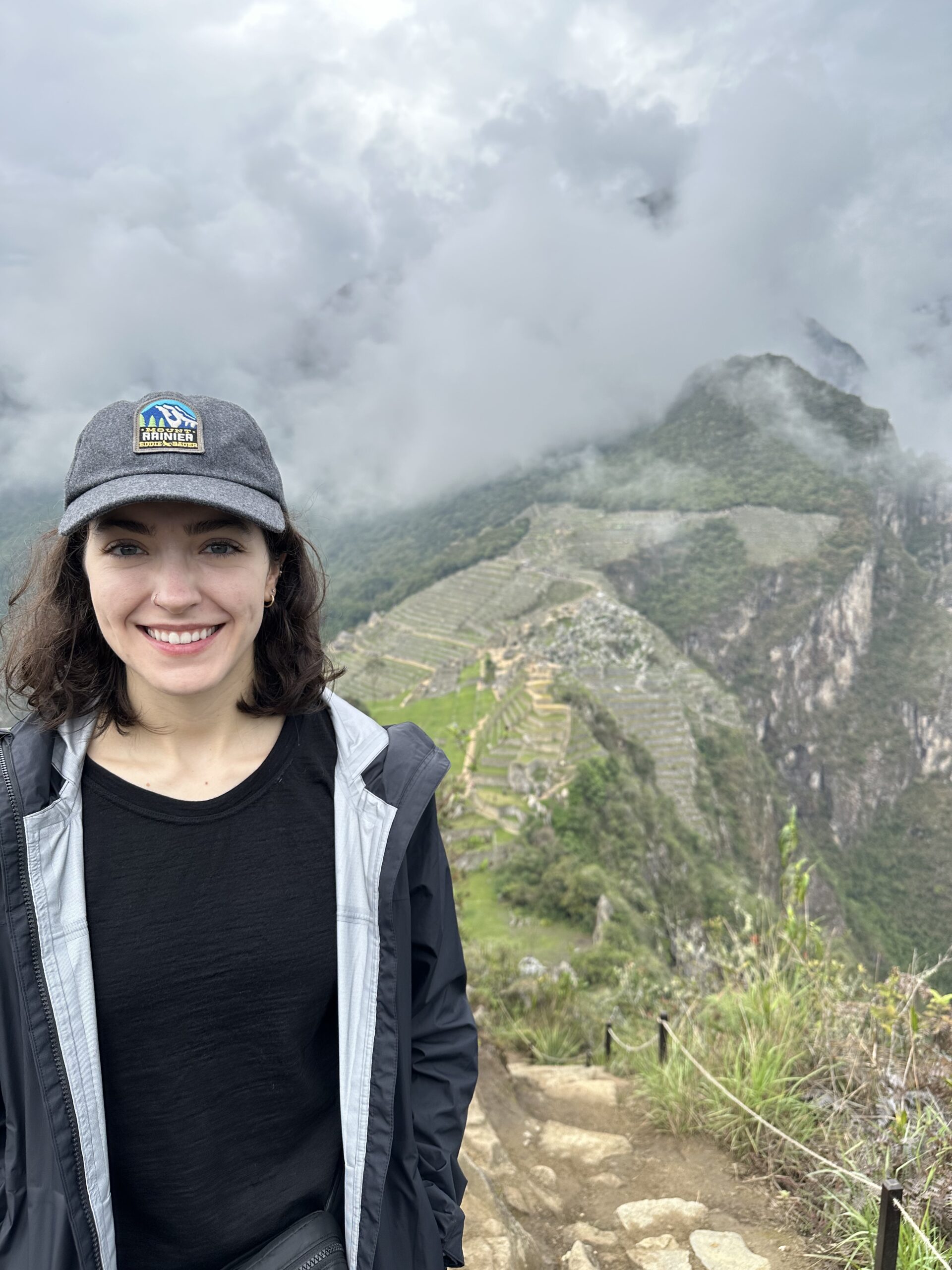
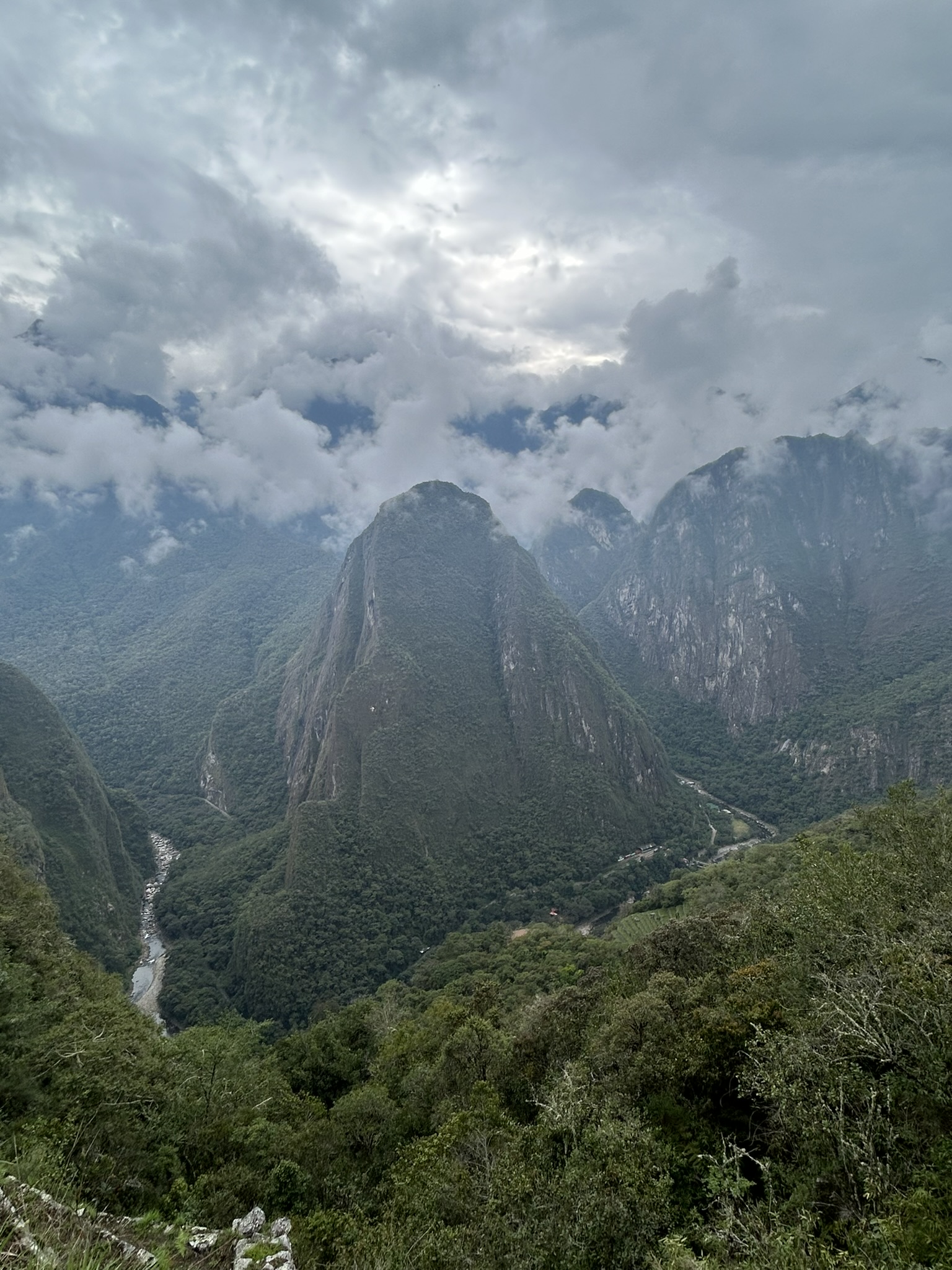
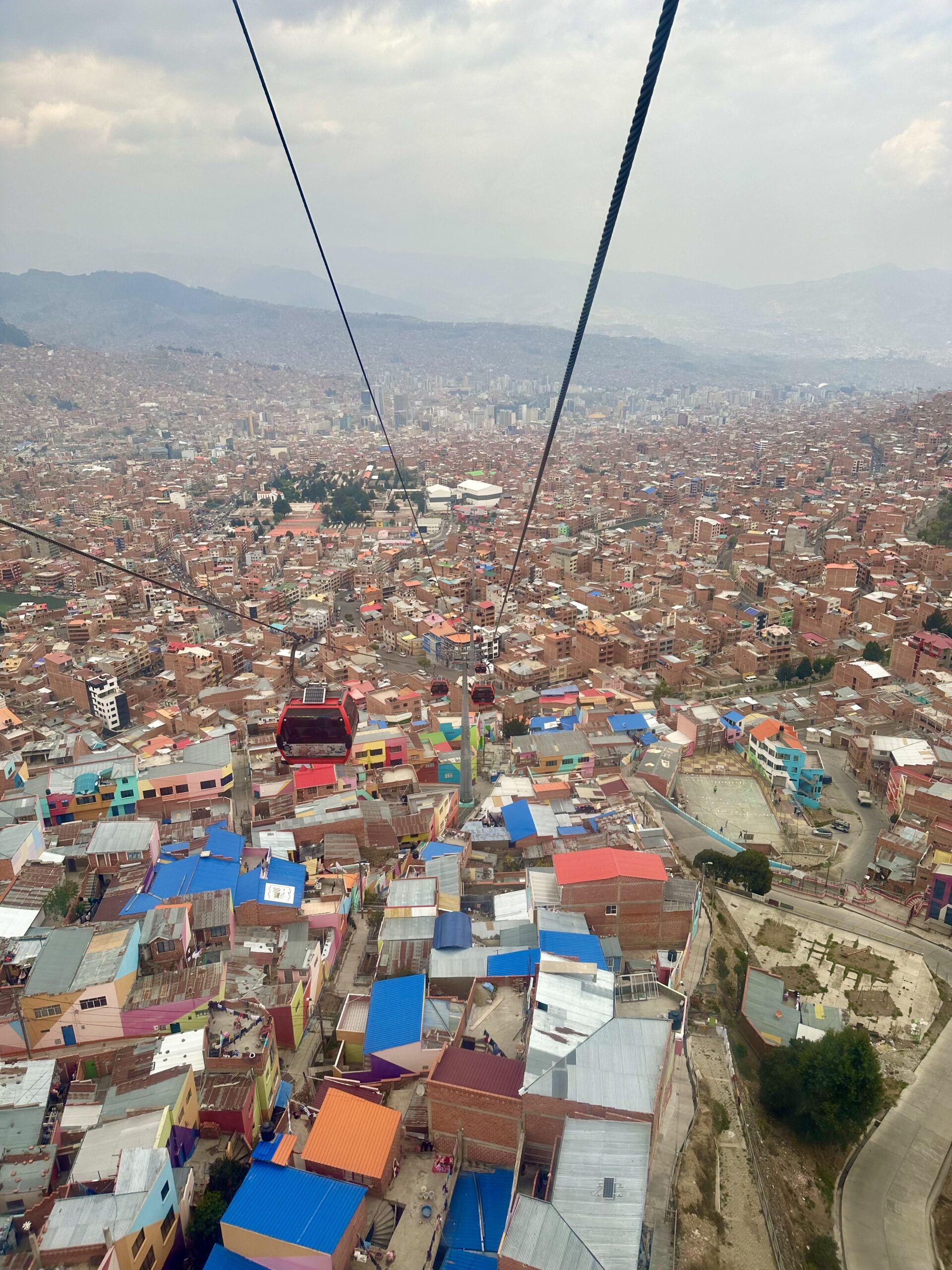
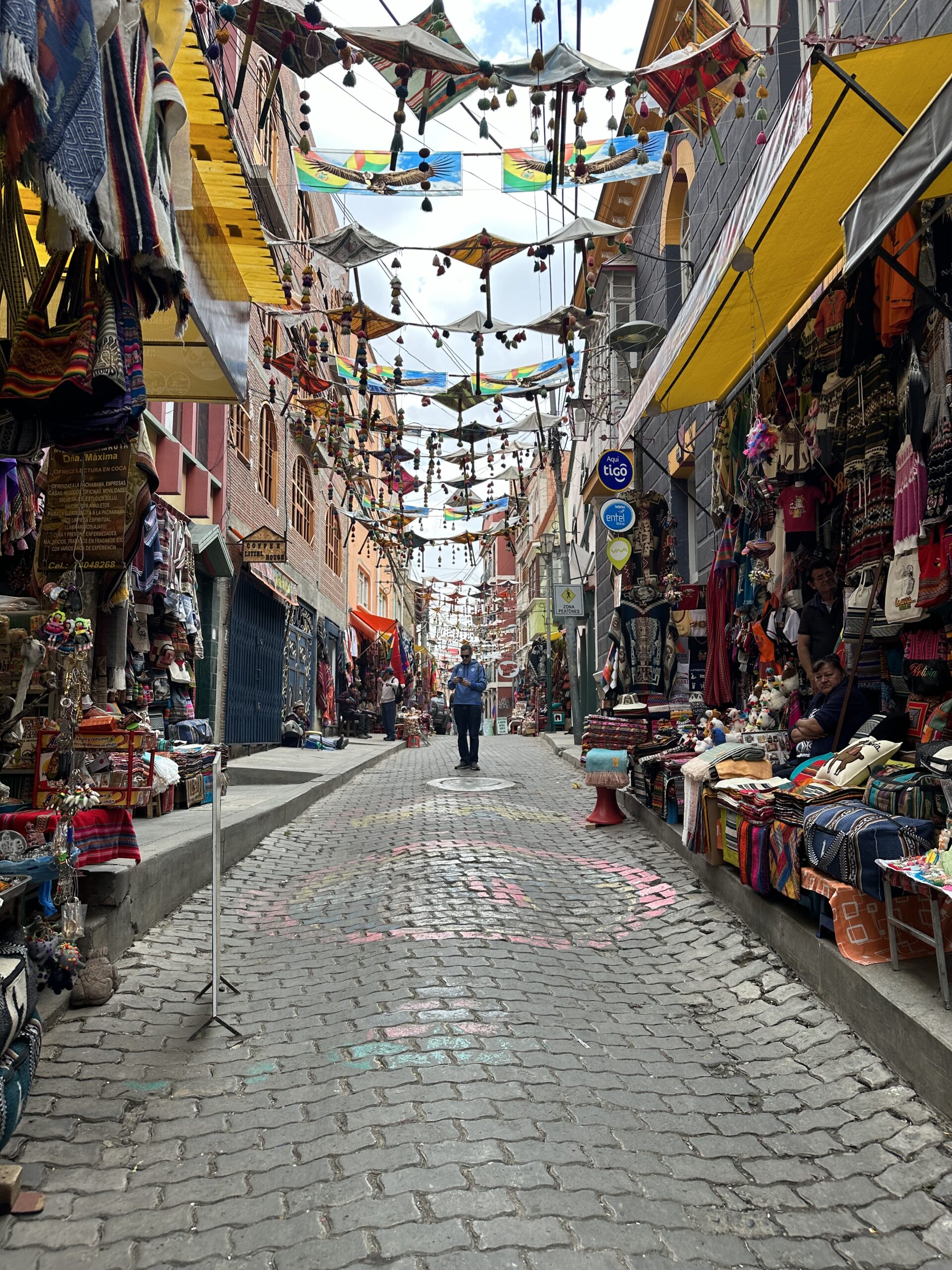
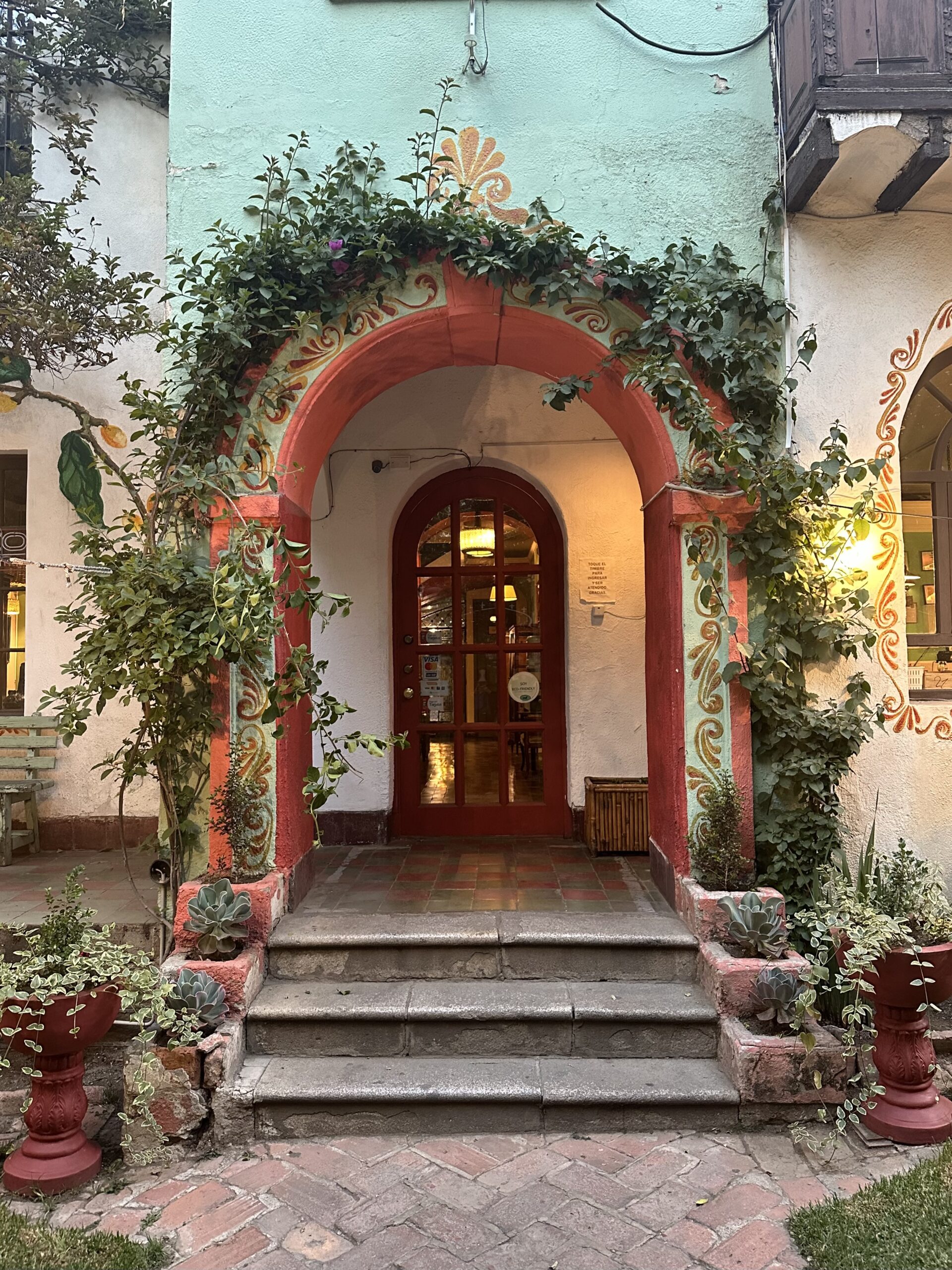
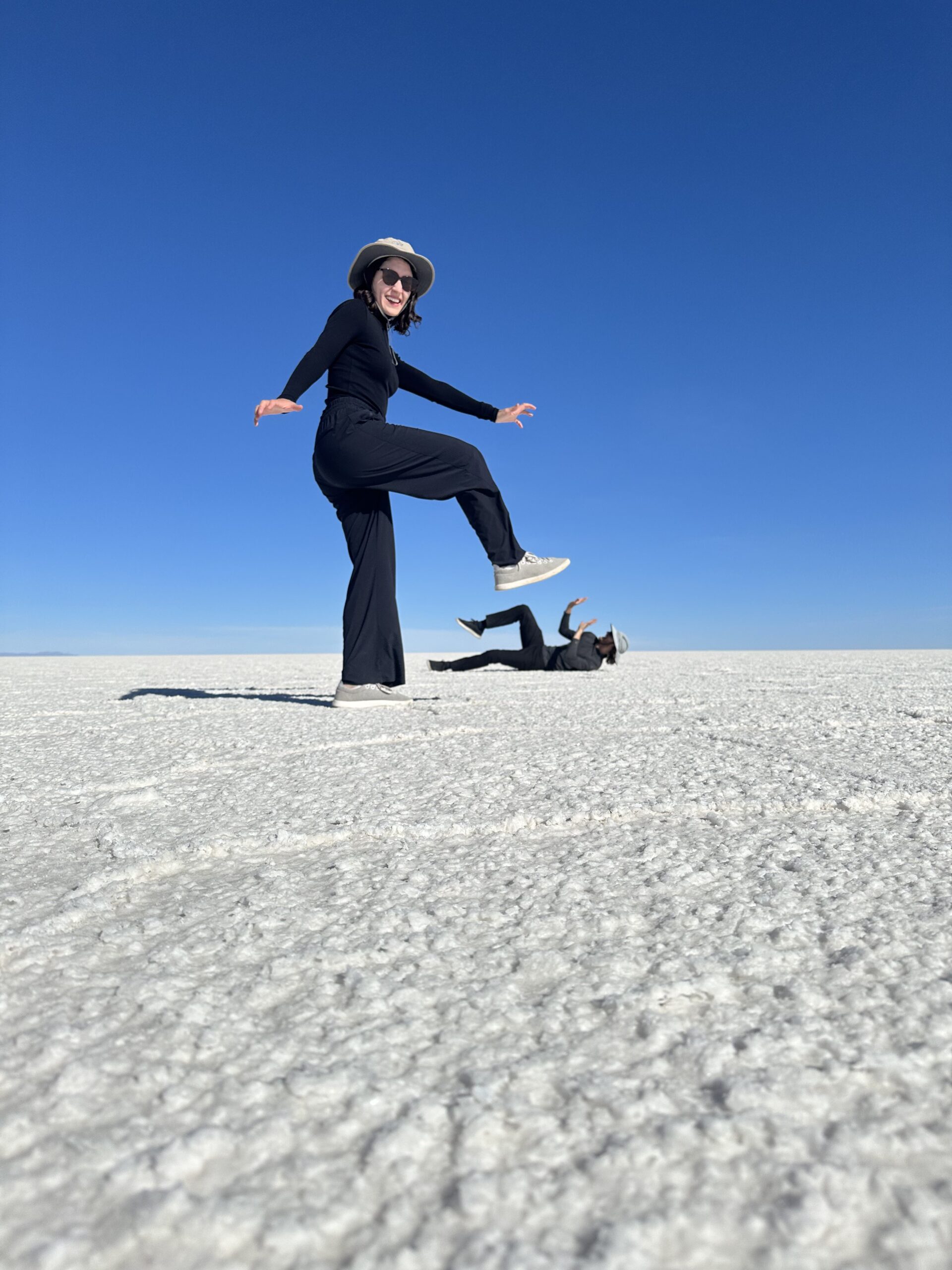
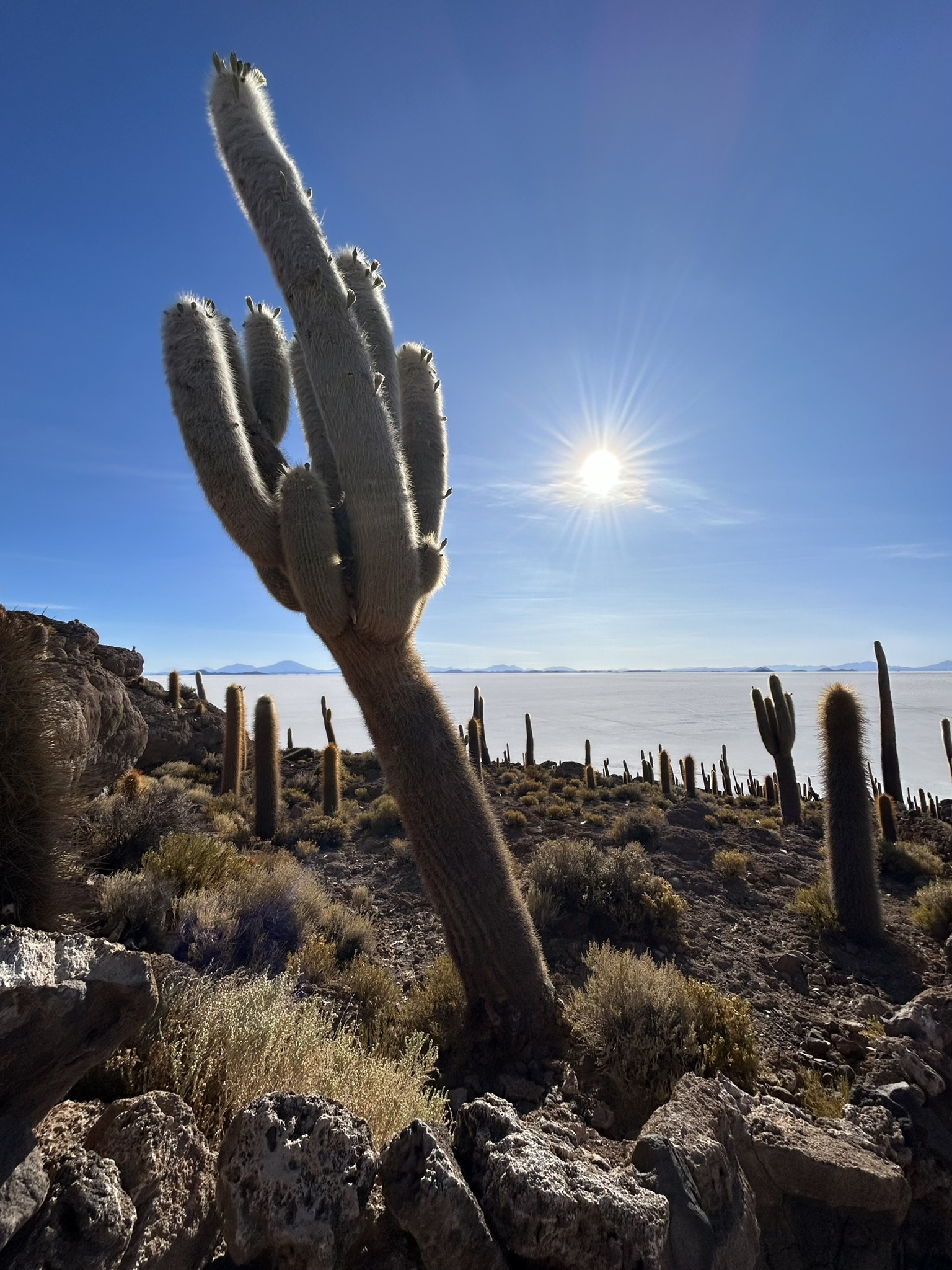
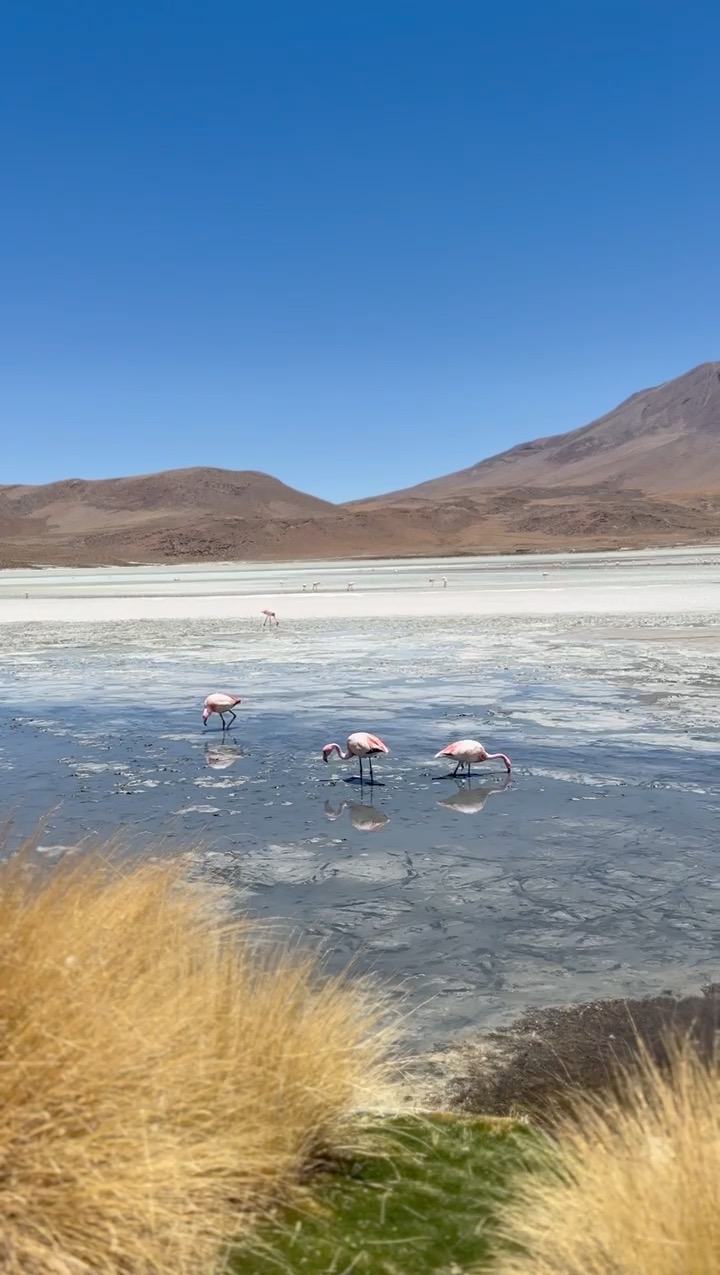
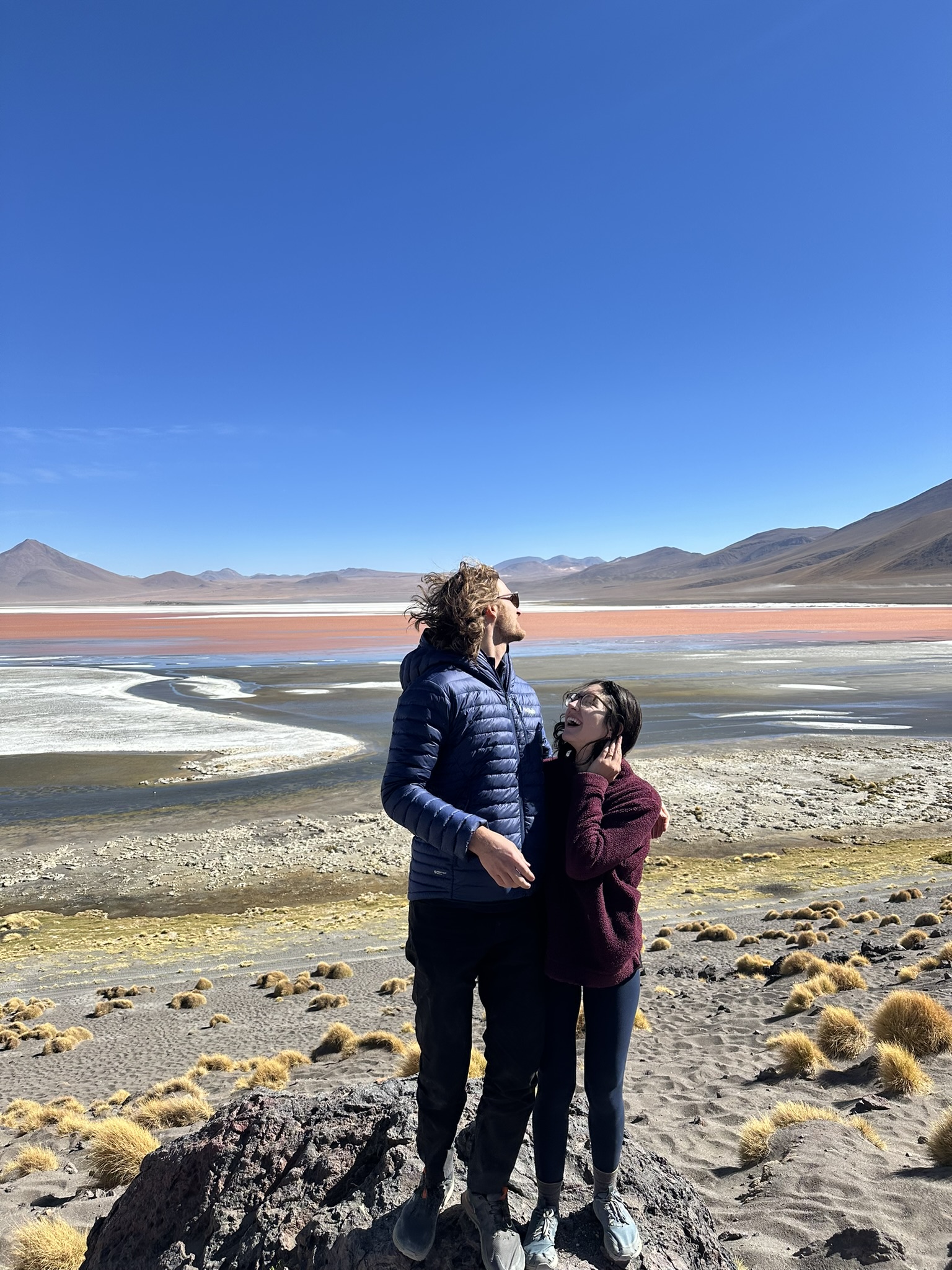
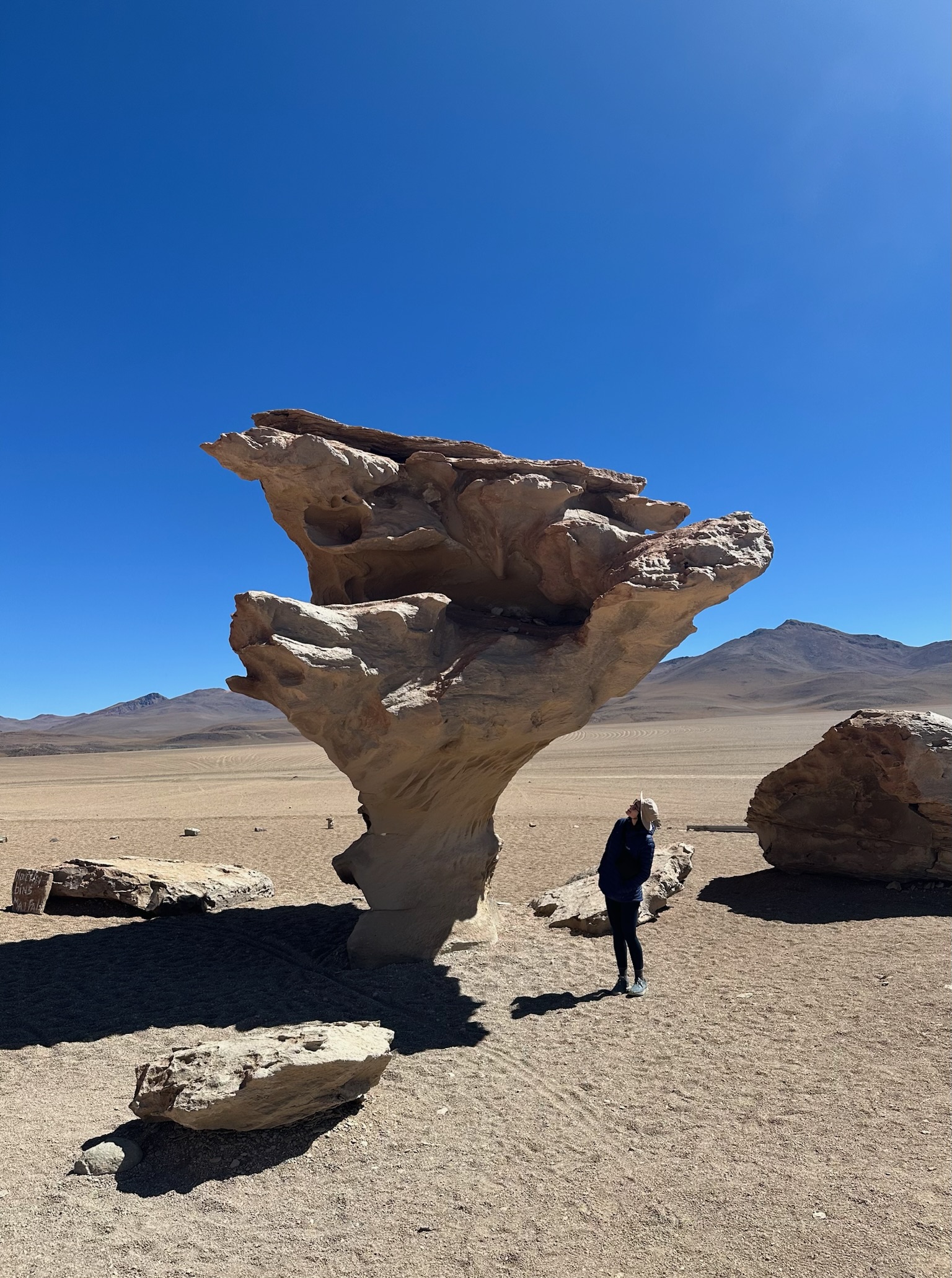
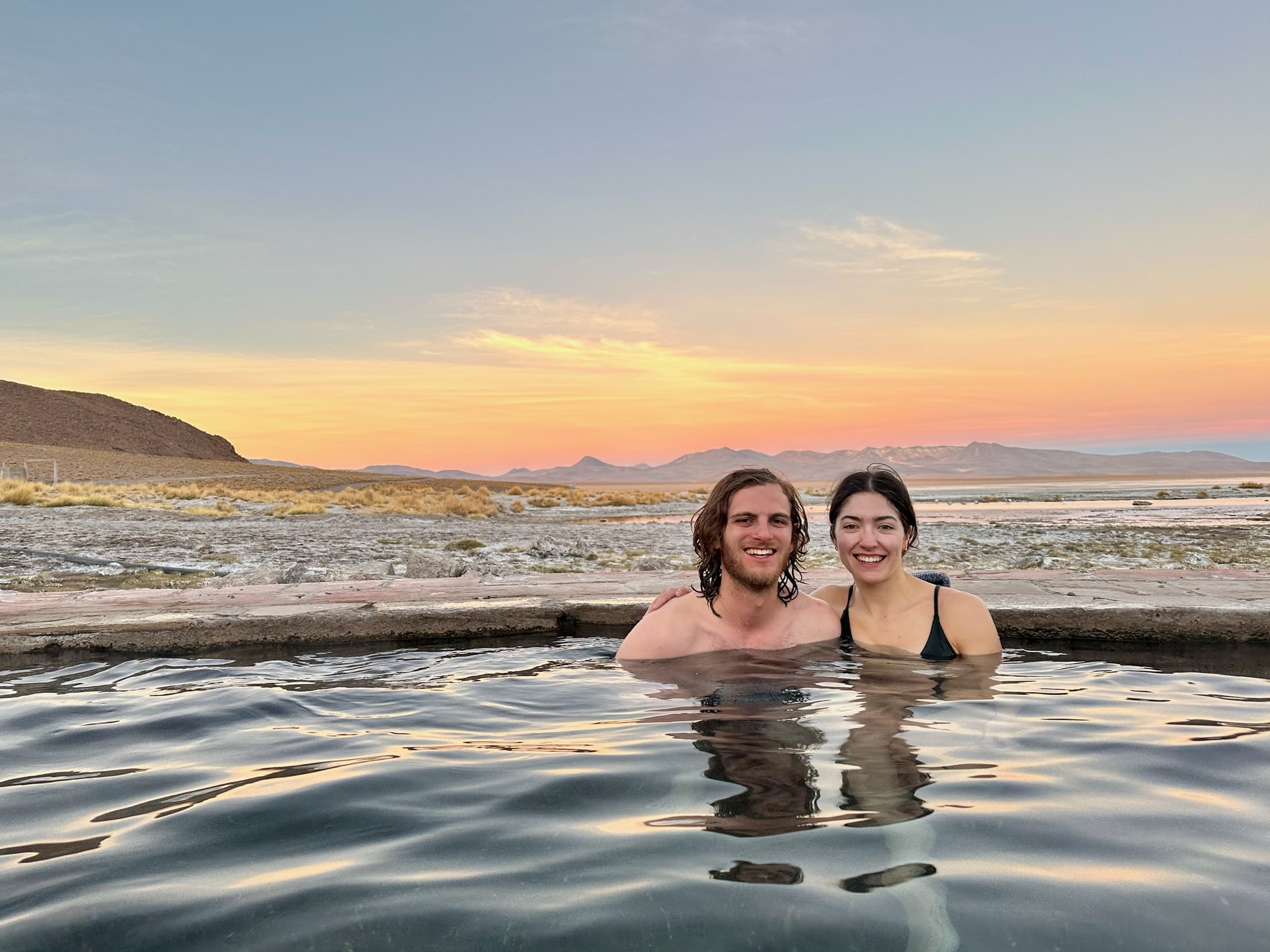
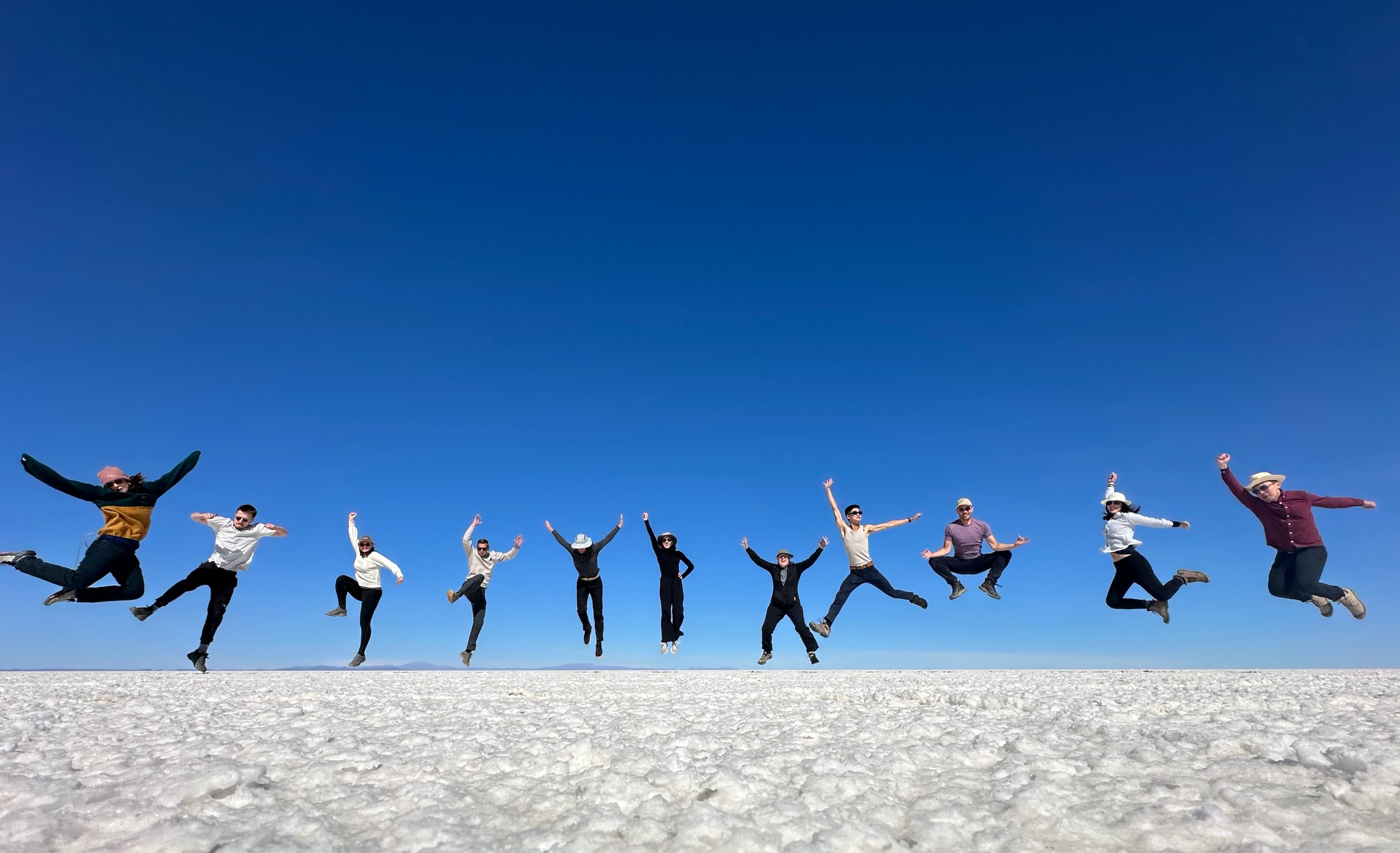
Across Peru and Bolivia, we met beautiful people, experienced vibrant culture, and saw many spectacular sights. Here are some more highlights from our travel through these countries (click the images to enlarge).





Book Recommendations
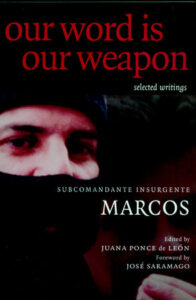
Our Word is Our Weapon: Selected Writings by Subcomandante Marcos; Juana Ponce de Leon (Editor)
Support independent booksellers: buy new or used on Biblio
While the mountains of the Mexican southeast are far from Andean Plateau, many of the same challenges faced in Peru and Bolivia are also present in Chiapas. This collection is “[…] a powerful collection of literary, philosophical, and political writings of the masked Zapatista spokesperson, Subcomandante Insurgente Marcos.
Marcos first captured world attention on January 1, 1994, when he and an indigenous guerrilla group calling themselves “Zapatistas” revolted against the Mexican government and seized key towns in Mexico’s southernmost state of Chiapas. […] Marcos has altered the course of Mexican politics and emerged an international symbol of grassroots movement-building, rebellion, and democracy. The prolific stream of poetic political writings, tales, and traditional myths that Marcos has penned since January 1, 1994 fill more than four volumes. Our Word Is Our Weapon presents the best of these writings, many of which have never been published before in English.
Throughout this remarkable book we hear the uncompromising voice of indigenous communities living in resistance, expressing through manifestos and myths the universal human urge for dignity, democracy, and liberation. It is the voice of a people refusing to be forgotten the voice of Mexico in transition, the voice of a people struggling for democracy by using their word as their only weapon.”
A "poem" by Christian - April 2023
Genesis 1:27-29
So God created multinational corporations
                         governments
                         innovators
                         mankind in his own image,
in the image of God he created them;
male and female he created them.

God blessed them and said to Monsanto
                                               the IMF
                                               Bill Gates
                                               them,
“Be fruitful and increase in number; fill the earth and subdue it.
Rule over the fish in the sea and the birds in the sky
and over every living creature that moves on the ground.”

Then God said, “I give you every seed-bearing plant on the face
of the whole earth and every tree that has fruit with seed in it.
They will be yours for profit
                            to own
                            for food."
We are keeping this blog ad-free. If you’d like to support us, consider making a small donation:
Leave a Reply