Paraguay

Contents
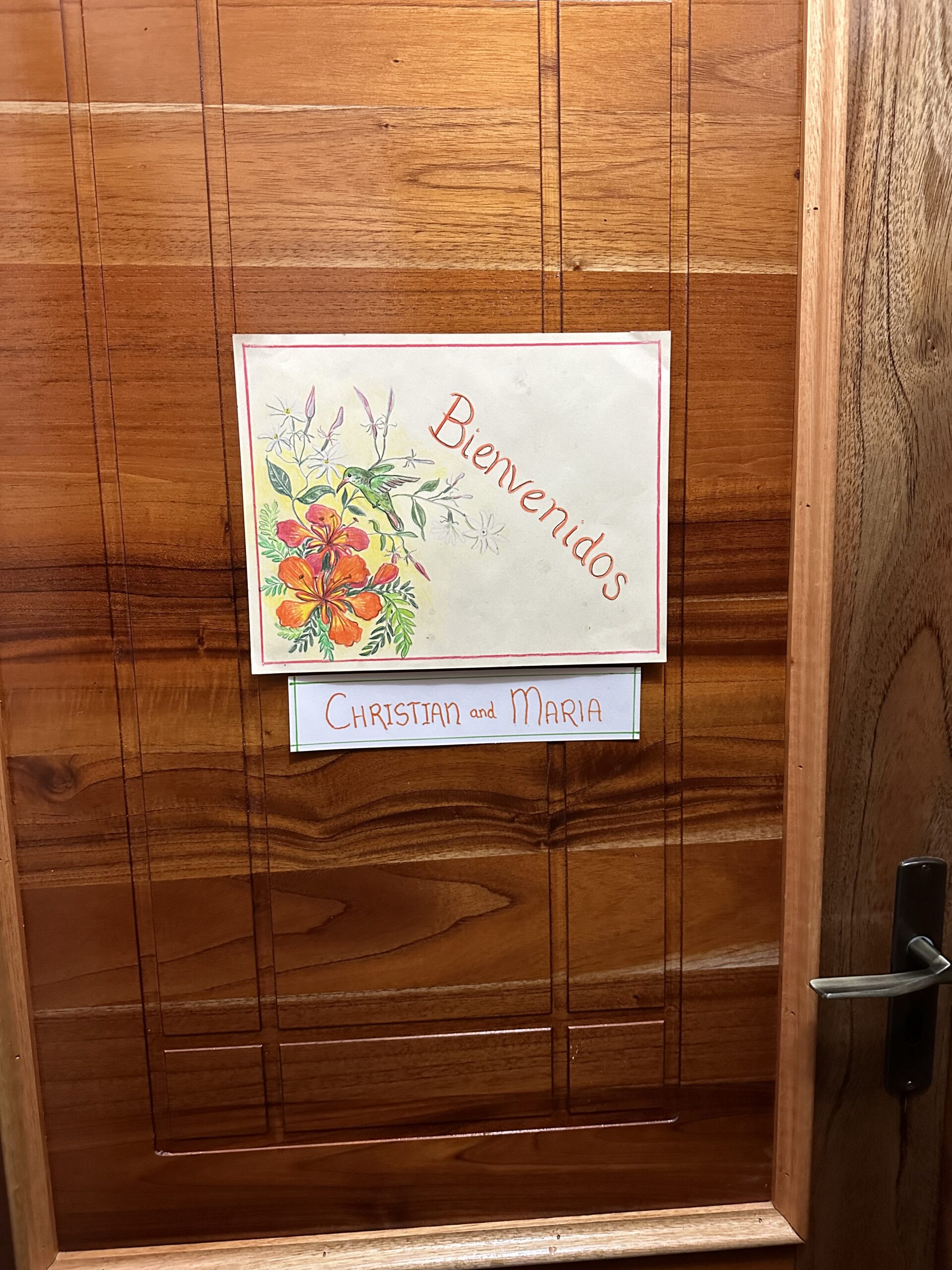
When we set out to travel for a year, one of our goals was to experience alternative ways of life. We did not know what this would look like and definitely did not have Paraguay on our bucket list, but then we heard about a Christian commune with a community based in the capital city, Asuncion. After perusing their website and finding their contact page, we sent them an email and were surprised when they immediately invited us to come stay with them. After a couple of emails back and forth, we booked tickets and our new hosts from the Villa Primavera Bruderhof community picked us up from the airport a few months later. During our stay with the Bruderhof, we not only experienced their hospitality but briefly experienced a radically different way of living.
The Bruderhof
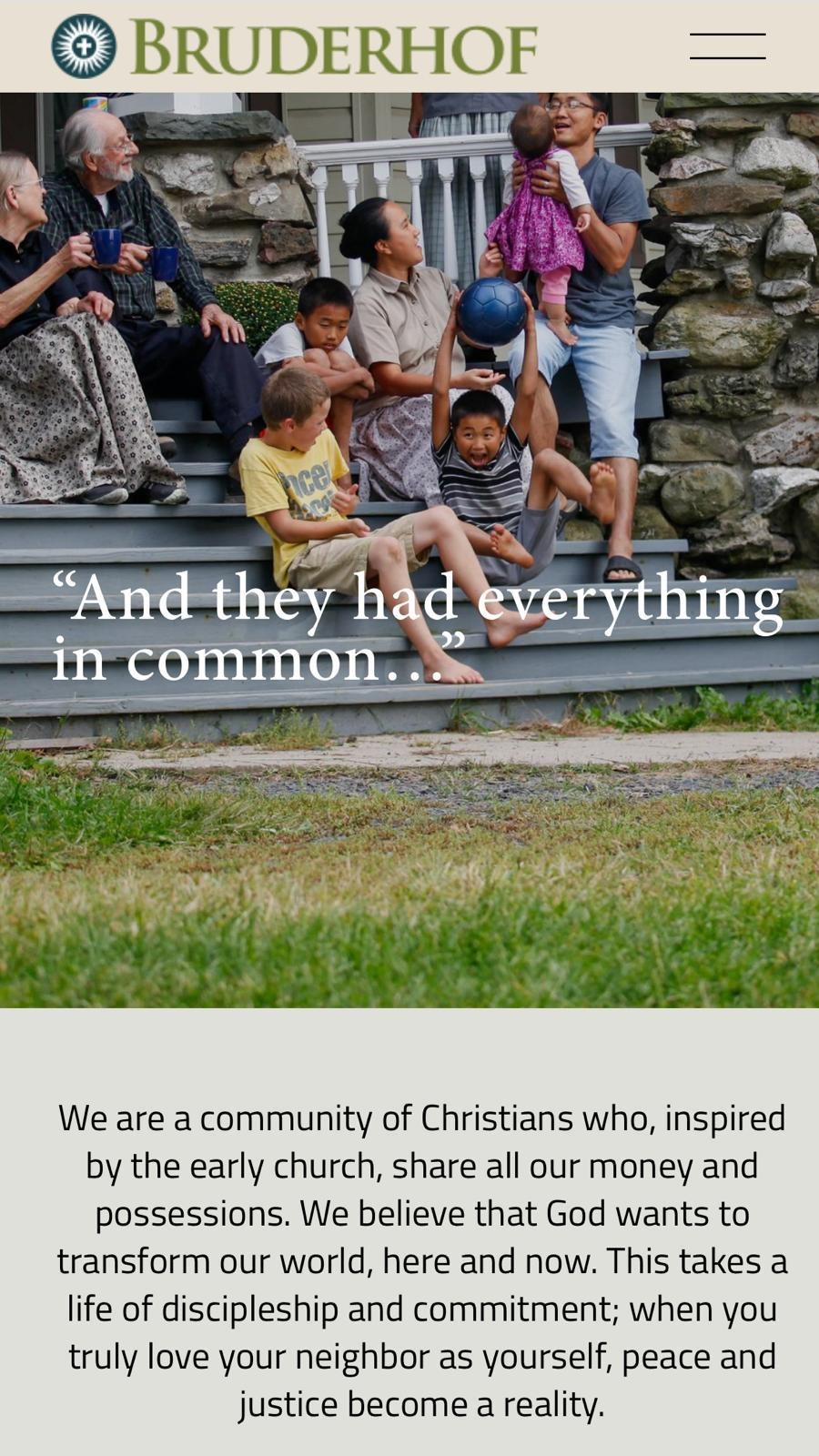
The Bruderhof is a group that lives together in community and shares all their possessions and money. Every member of the community is taken care of regardless of ability and all contributions are valued. They describe themselves as “a community of Christians who, inspired by the early church, share all our money and possessions. We believe that God wants to transform our world, here and now. This takes a life of discipleship and commitment; when you truly love your neighbor as yourself, peace and justice become a reality.”
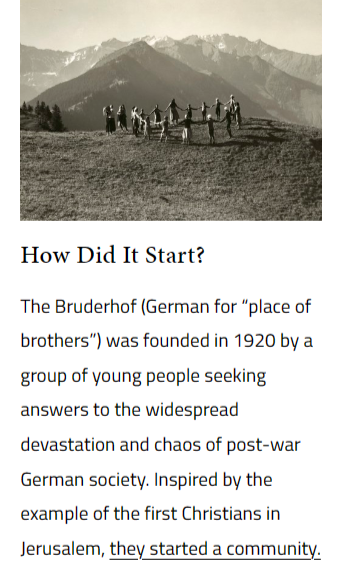
They started over 100 years ago, in 1920, and have several communities across the world, many of which have hundreds of members. The group we visited in Paraguay is smaller with around 20 adults and a few children. The community in Paraguay runs a daycare, teaches English lessons, and operates an A/C installation and maintenance business.
If you’d like to learn more about the Bruderhof, you can read more about the community on their website and their magazine. This section of their website is a deeper dive, and there are also several books published about their community which can be found here. You could also visit one of their communities like we did! There are several in the United States.
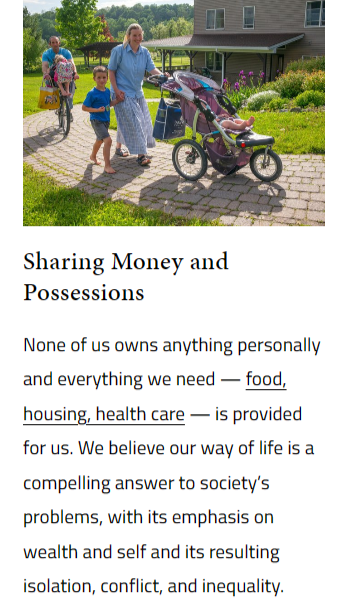
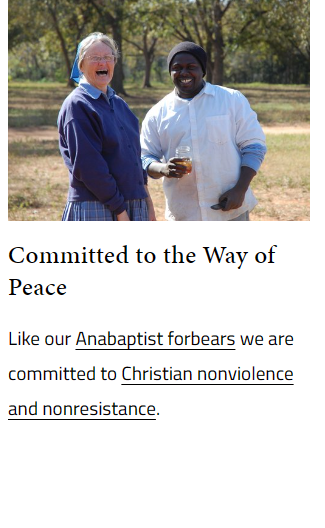
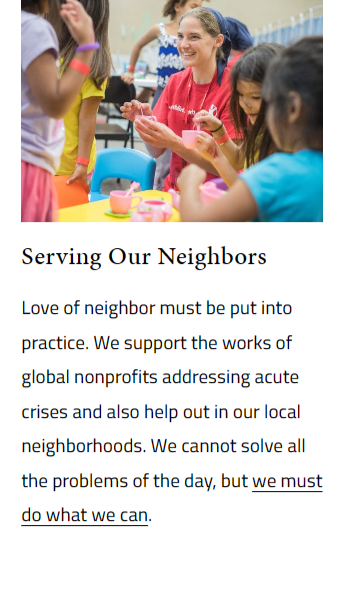
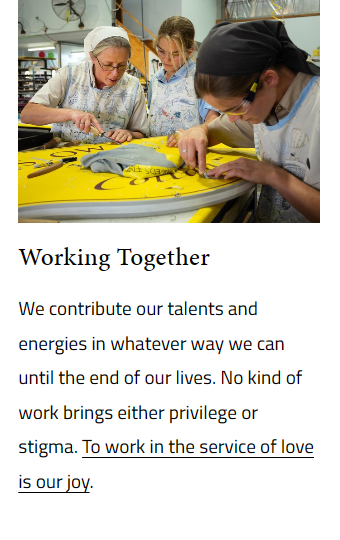
Here are a few more things from their website that interested us. Click to enlarge the images.
Our Experience
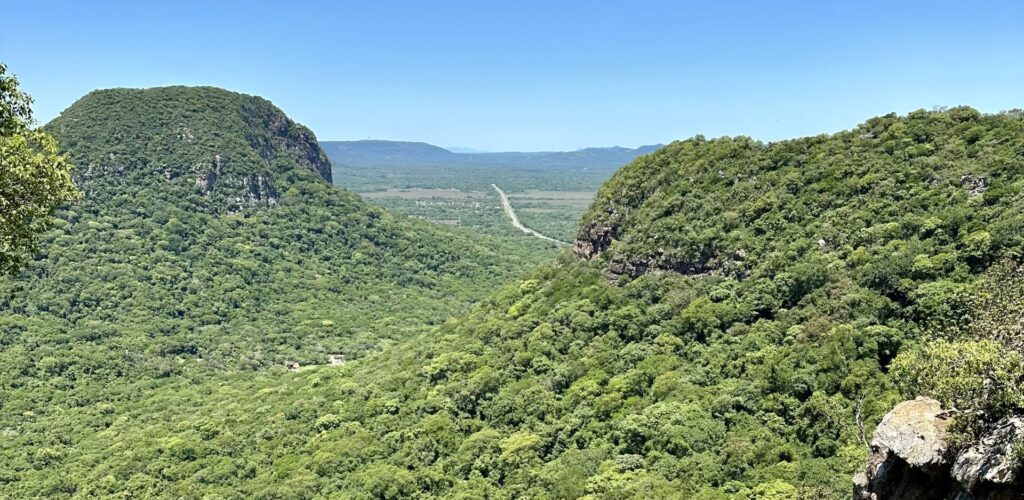
We had a wonderful stay with the Bruderhof. We ate many good meals with the community, joined in their church service and community meetings, and they showed us around the city of Asuncion and took us on a hike in the surrounding countryside. We helped them in work around the community: I helped clean A/C units for their business, picked up mangoes and made mango juice, and made peanut butter. Maria helped prepare meals and plant vegetables in the garden.
We saw the daily ins and outs of communal living and had interesting conversations with them about why they choose to live this way. We experienced their hospitality with how warmly they welcomed us to stay with them after receiving our email. They sacrificially gave so we could have a comfortable experience (converting a classroom into a bedroom for us, buying us special snacks and fruits, driving us around, and spending time showing us the sights.) We also witnessed their hospitality to their neighbors and friends during one of their weekly open-invite dinners.
There are many things that we learned during our stay that we want to take into our lives.
First, we saw how strong communities are formed through proximity and commitment. In the Bruderhof community, there is clearly proximity: they share meals together every day, work together in the same businesses, and look after each other’s children. While each family has their own living space, the “villa” is set up to have many communal spaces. The Bruderhof community also holds together through commitment. They are committed to each other and working through any conflict.
Without proximity, it is too easy to avoid issues or to drift apart. Communities can form around certain interests, but without proximity, you only get to know certain aspects of the people and don’t learn other parts of who they are. Without proximity, it requires effort to organize and meet, but with proximity, the community becomes part of daily life. Many people think back fondly on friendships made during their time in universities. I think a large part of this has to do with having friends who are part of your daily life, within walking distance, and with whom you share communal spaces. Many of us leave this behind once we move beyond college.
With proximity, we can build strong communities where we know each other deeply and can grow closer through mundane everyday interactions and through being forced into solving conflicts. However, without commitment, when these conflicts escalate it is too easy to go separate ways. In the Bruderhof, membership is a lifelong commitment. During our visit, we saw how this commitment builds confidence that no matter how strong of a disagreement or bitter a conflict, they would work through it.
Likewise, without commitment, when new life circumstances arise it is too easy to make decisions based solely on what is good for an individual even to the detriment of the community. What we saw in the Bruderhof is that of course the individual’s desires are considered, but that isn’t the only consideration. Commitment to the community is highly valued, and the effect of decisions on the community is a large part of the decision-making process.
We also saw how living with multiple generations and families adds richness and joy to life. The presence of younger people brings curiosity and joy, while elders in the community bring wisdom and experience. Although more responsibilities come with living in community, there are also more hands to contribute. After staying with the Bruderhof, I think the joy that comes from being part of a thriving community is far greater than the “individual freedom” that is given up.
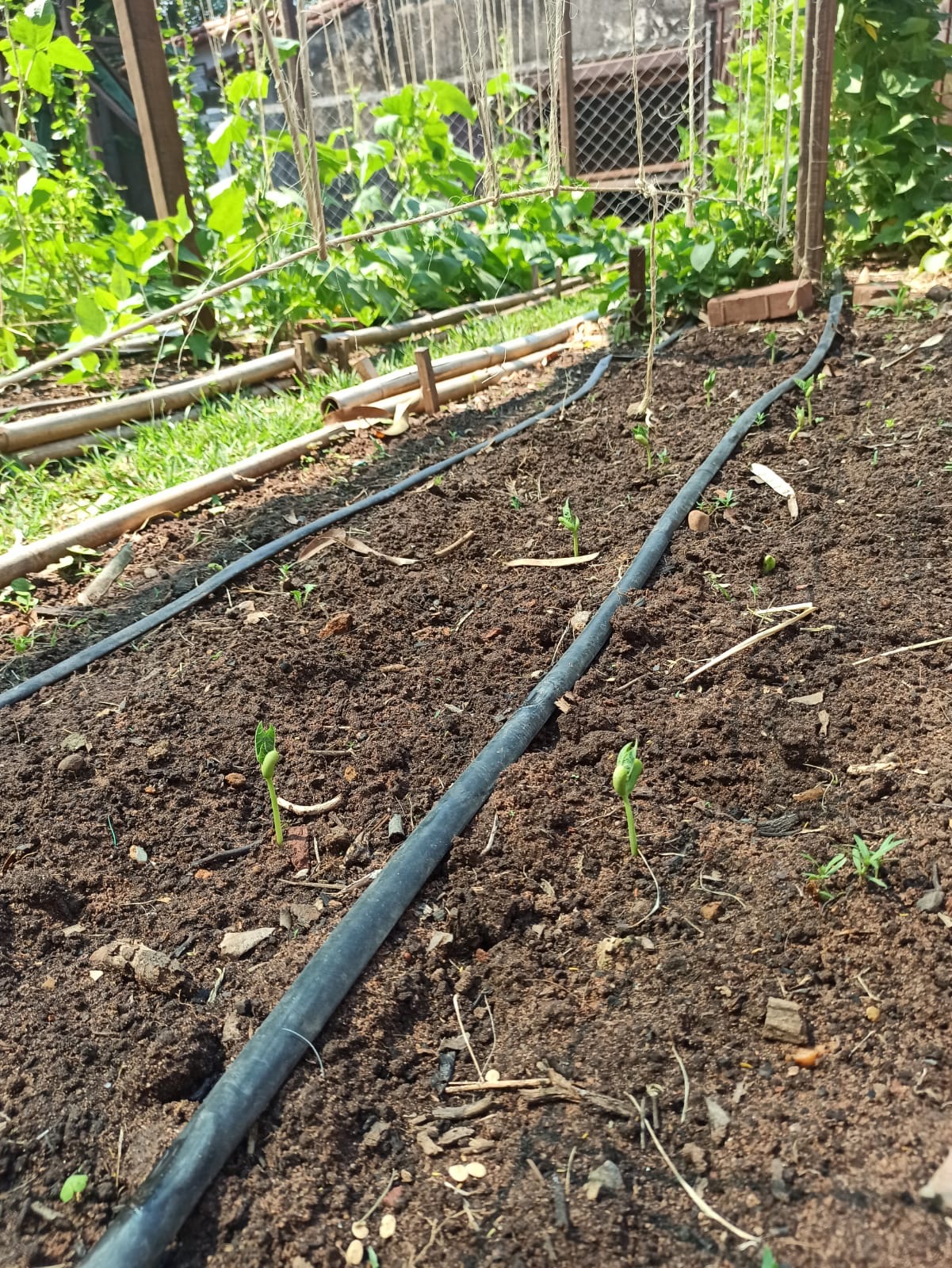
Participating in the work of the community, we experienced a different perspective on work. At the Bruderhof, they work hard, however, we saw a sense of joy infused into seemingly mundane tasks. Simple work can be fulfilling when it is done with your community. Working as part of the Bruderhof means working in good company and for the benefit of those around you. Whether juicing mangoes, washing dishes, or teaching English classes to a neighbor, when the purpose of the work is directly for the benefit of people that you know, it becomes much more fulfilling than work for the sake of upward mobility or increasing the value of faceless shareholders.
Before visiting the Bruderhof, we mainly valued simplicity for environmental sustainability and frugality, as well as for the ability to focus more on the necessary and fulfilling aspects of life. At the Bruderhof, what we saw emphasized another aspect of simplicity. That is simplicity for the sake of the other. We witnessed the community sharing possessions and making things themselves, as well as individual members foregoing things for the sake of the community. Through this, everyone in the community is taken care of and has more than enough, while the community collectively consumes less and lives in a sustainable way.
Maria and I are so grateful for getting to see this way of life and learning from it. As we travel, we often talk about what we want life to look like after this year. Our plans and dreams for our future include these aspects of community that we learned from the Bruderhof.
This is the Way?
Our experience visiting this community was overwhelmingly positive and we learned so much. In any other situation where we had been so graciously hosted, we would only have positive things to say. However, the Bruderhof aims to show that “another life is possible”. The people in the Bruderhof would be the first to say that their community isn’t perfect and that not everyone should live like they do. They told us multiple times how they are listening (especially to their young members and people outside the community) to learn how they need to change.
Still, they are offering a different vision of how to live life, and one of our aims in visiting the Bruderhof community was to honestly wrestle with both the pros and cons of this other way of life and evaluate what we could incorporate into our lives going forward. During our stay, we saw challenges with competing priorities, where internal community needs are often prioritized at the expense of their vision for the world. While addressing this, I of course acknowledge that we only spent a few days in their community and I have a limited perspective on what life in this community looks like.
Going into our visit with them, I was curious about their engagement with the outside world. We had been told by other friends who knew of the Bruderhof that they offer really valuable insights on how Christians should engage with the world and with current events. However, browsing their magazine, it was silent on recent events that I would have expected them to have a perspective on.
Through conversations with members, we learned that the Bruderhof sees their role as being a “light on a hill”. For this reason, they focus internally on how their own community can be a light. They have values including non-violence and anti-capitalism. They live these out in their daily lives by refusing to use violence or aid any military and by turning over all personal belongings to be shared by the community. However, they do not see it as their calling to take direct action against violence and exploitation in the world.
After discussing their current role in the world, some members told us about how the Bruderhof used to engage in the world more. Not too long ago, the Bruderhof took direct action including protesting the war in Iraq, going to Chiapas to protest alongside Zapatistas after the Acteal massacre, and collecting “90 miles” of signatures of people against the blockade of Cuba. Some members even recounted personal childhood memories of visiting Capitol Hill to appeal to legislators against the death penalty.
However, they shared that these movements became too negative. While their original intention was to uplift the oppressed in love, this devolved into opposing the oppressors in anger. Because of this, they decided to remove themselves and focus on their community. They explained to us how this changed their vision for the Bruderhof to be an example of peace and justice in the world, rather than taking direct action. One drawback of communal life is that in some cases the community may be prioritized over the needs of the oppressed. Although I see a more direct role for myself in advocating for justice, their observations and experience still provide an important warning. In a world with so much injustice, it could be easy to become motivated by anger and hatred. Hopefully being aware of this pitfall can help me act as a force for love in these movements.
Another thing we observed was the community’s commitment to unity. In more surface-level things like daily routine and cleanliness, and in deeper things like theological stances and cultural background, we saw relatively little variation compared to our communities at home. We want to emphasize that the Bruderhof does not try to force their views on anyone. Kids who grow up in the community are encouraged to seek conventional experiences like attending university and volunteering or working at outside organizations before deciding if they want to become a member of the community or make their own way. However, unity can come at the expense of diversity and drive out people with different views. We noticed this around their conservative sexual ethic and gender roles. I don’t have any answers, but I wonder if a community can maintain unity while also fostering a diversity of opinions and backgrounds. I believe that bringing the Kingdom of Heaven to Earth requires the inclusion of diverse people, especially the poor, the marginalized in society, and “sinners”.
We also noticed how a community’s inward focus can lead to separation from the surrounding world. Communal living minimizes the individual consumerism that conventional lifestyles encourage, however, it is easy to see how the community can prioritize collective consumption for the good of the community. Overall, we saw the Bruderhof collectively consuming much less and adopting a simple lifestyle compared to most Westerners (ourselves included!) However, we could not help but notice the community’s standard of living compared to the average Paraguayan. The community’s villa was in a very nice area of Asuncion, and it seemed disconnected from the way that most people in the city live.
Disconnection matters because it leads to relational detachment and inaction. When we see poverty from afar it is easy to ignore or place blame. At best, we have “a heart for the poor,” but take no action to make change, and at worst we start to blame the poor for their situation or even fear the outcomes of poverty (i.e. property crime) rather than focusing on the causes.
One of my aspirational values is what Archbishop Oscar Romero described as “accompaniment”. That is: to walk side by side on a common journey with the poor, oppressed, and those on the margins of society. However, looking back on my first decade as an adult I see how my drive for success and comfort has separated me from these people. As Maria and I think about how we want our life to look after this year of travel, I am considering how I can balance taking care of my own community while also living out accompaniment.
My critiques of the community are also critiques of myself; in my life, I don’t take direct action, I don’t strive to have unity with people who have other views (I typically just avoid these differences), and I don’t live out “accompaniment”. I was hoping to see an example of how a community lives these things out and how communal life could be a base for engagement in the world.
During our stay, they invited us to share our observations with them. In response, they shared that they view their community as a “light on a hill”. Their role is to show that “another life is possible” when lived in full community. While they have this calling, they emphasized that other people have different callings. The world would surely be a much better place if people lived like the Bruderhof community. Something I am still wrestling with is whether it is good for some communities to be inwardly focused, or if any community seeking to make peace and justice a reality should be more directly engaged in the world.
My last thought here is that I don’t think that I should be looking for the perfect community. Yes, I want to see examples of how engagement in the world is lived out communally. But any community will have its flaws. A commitment to life together can also mean a commitment to growing and changing together.
Excerpts from Wobblies & Zapatistas
I promise, you will get some pictures of our travels soon! First, to close this section about our visit to the Bruderhof, I’d like to quote some excerpts from Staughton Lynd in the book Wobblies & Zapatistas in which he wrestles with some of the same challenges of small religious communities. Lynd was briefly a member of the Bruderhof community.
Addressing the question of how Anabaptist religious communities have affected larger movements for societal change, Lynd says:
I am not going to pretend to be able to answer any of these questions. I am very critical of any one who offers easy answers to them. I would rather they remain mysteries than that they be subjected to casual, or heavy-handed and dogmatic interpretation from any direction.
He continues, saying:
The radical Reformation rebelled against an institutionalized Christianity that was centralized, dogmatic, corrupt, forgetful of its roots, and overly prepared to make peace with the secular society in which it was imbedded.
However, he acknowledges the challenges these communities have had:
Repeatedly, too, little communities absorbed by the economic and interpersonal challenges of survival, drift away from the more fundamental mandate of the New Testament: to feed the hungry, welcome the stranger, visit the imprisoned, and in the larger society as well as in small-scale prefigurations make all things new.
Despite these challenges and imperfections, Lynd concludes:
On the other hand, it is all too easy to relapse into cynicism and to forget the magical moments when solutions emerged that no one person had foreseen, when protagonists acted with simple dignity and clarity, when all things economic were shared, when decisions were truly made by consensus no matter how late the meeting, when the circle of participants held together.
The project of achieving the Good Society, of bringing in the Kingdom of God, of realizing in practice that Other World that is possible, has both subjective and objective components. For myself, as for liberation theologians, Marxism provides the needed objective analysis. But Marxism is inadequate as a guide to practice, to personal decisions. For that one must turn to the efforts over the centuries to live the good life here and now exemplified by small religious communities.
I say this with conviction because I have experienced it. When my wife and I lived at the Macedonia Cooperative Community, I would get up at 5 a.m. to do the morning milking, and stumble out into the dark and cold with my wool hat pulled above one ear so as to hear the cow bells. At length the cows roused themselves and I trailed after them toward the cow barn. At these times, as the sun began to emerge over the line of hills that surrounded our mountain valley, I felt that everything I could see as the morning flooded in was part of a good way of life that my wife and I were building up together with our companions. The memory stayed with me when, later on, Alice and I felt obliged once again to journey into the hard, cruel, outside capitalist world, and tried to bring change about on a larger scale.
Some Highlights from Paraguay, Iguazu Falls, and Buenos Aires
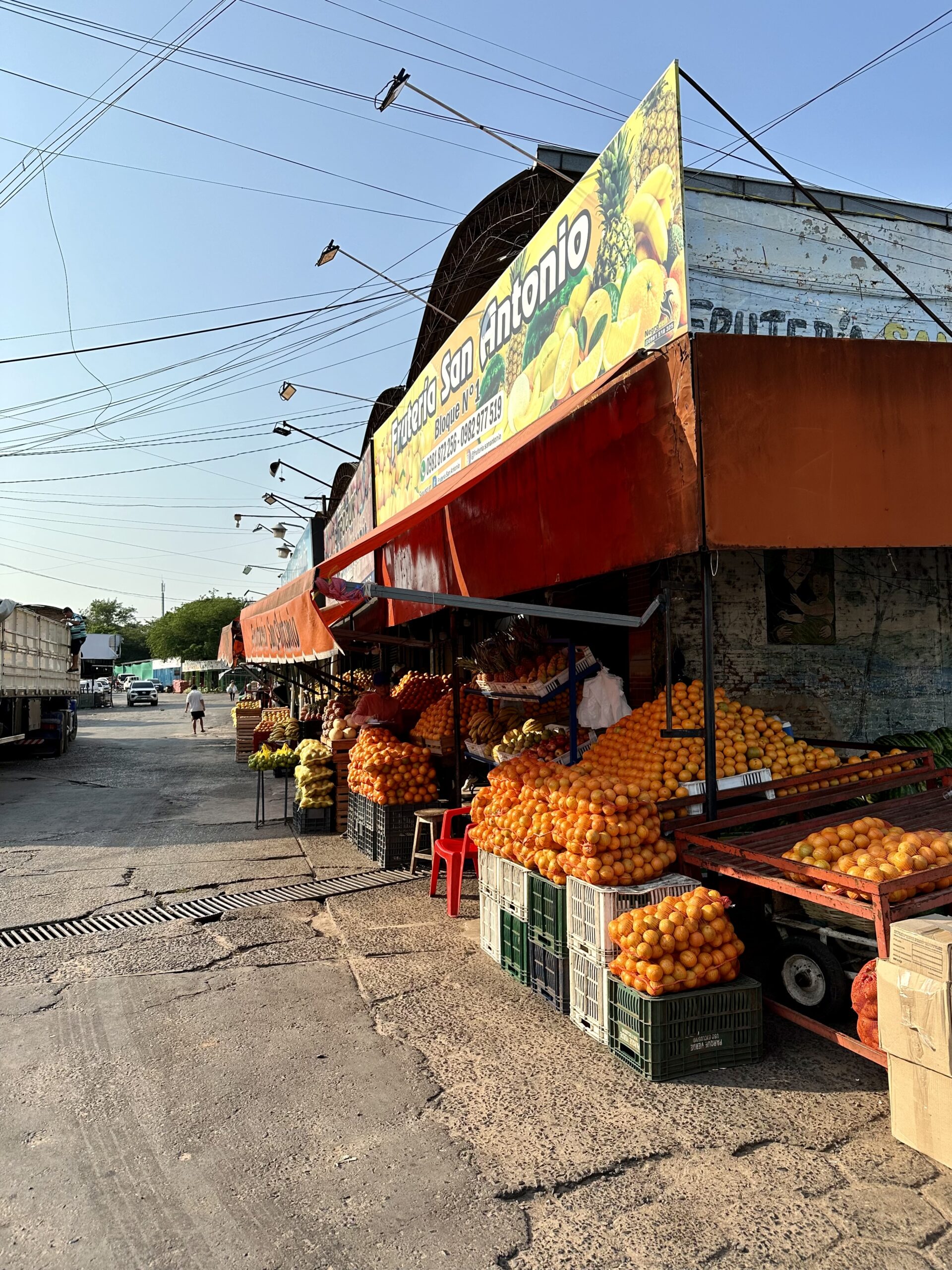
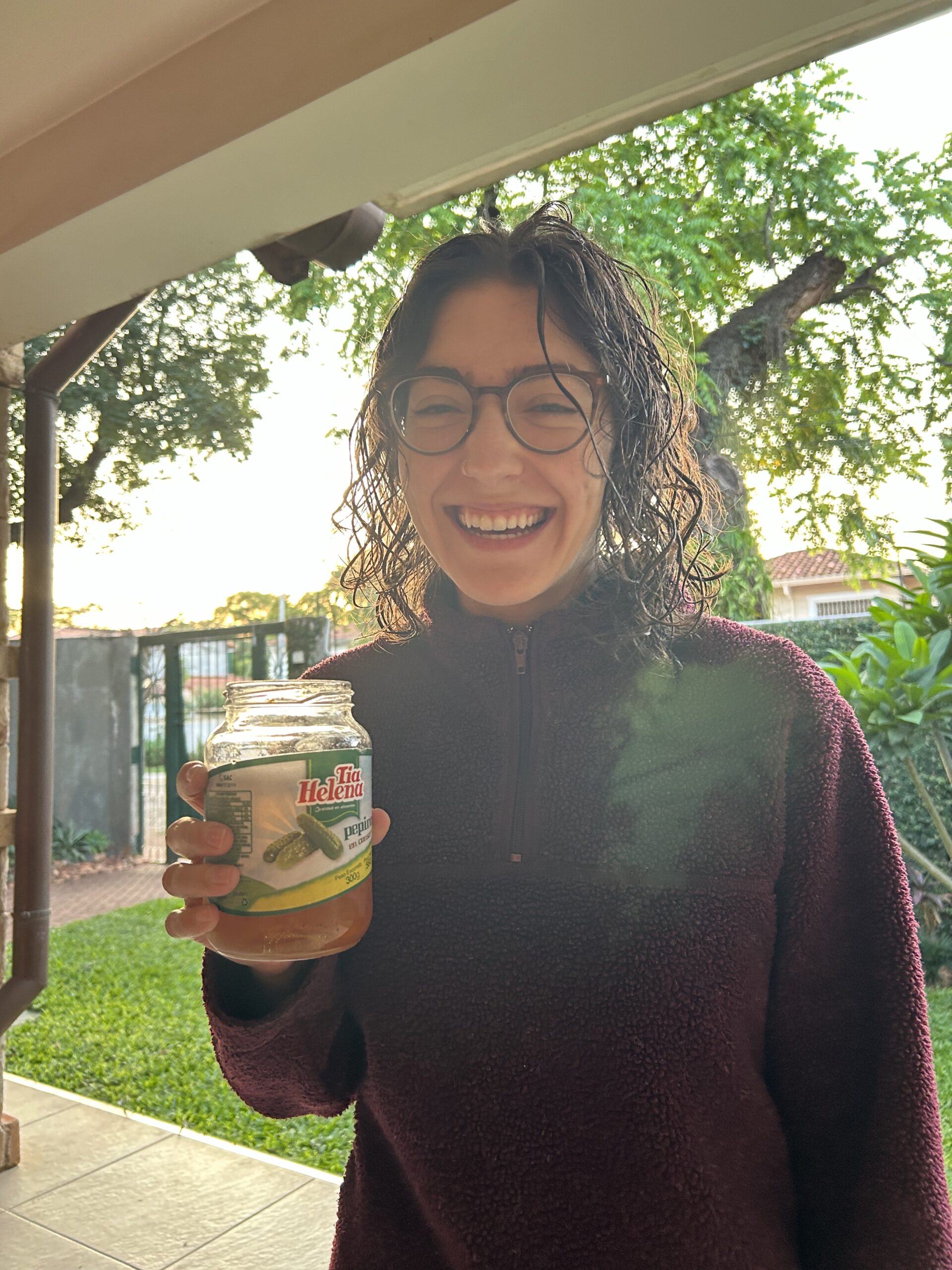
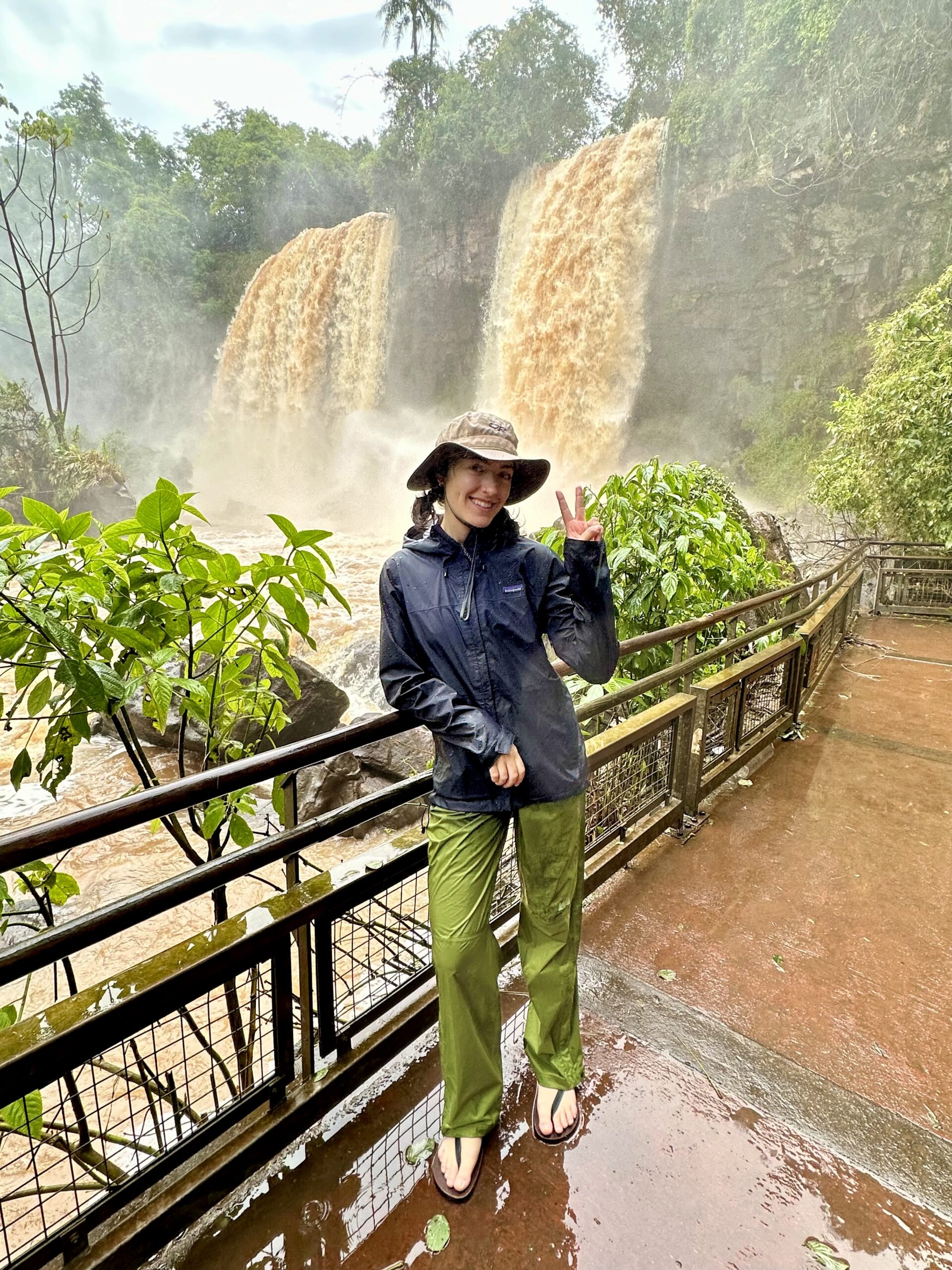
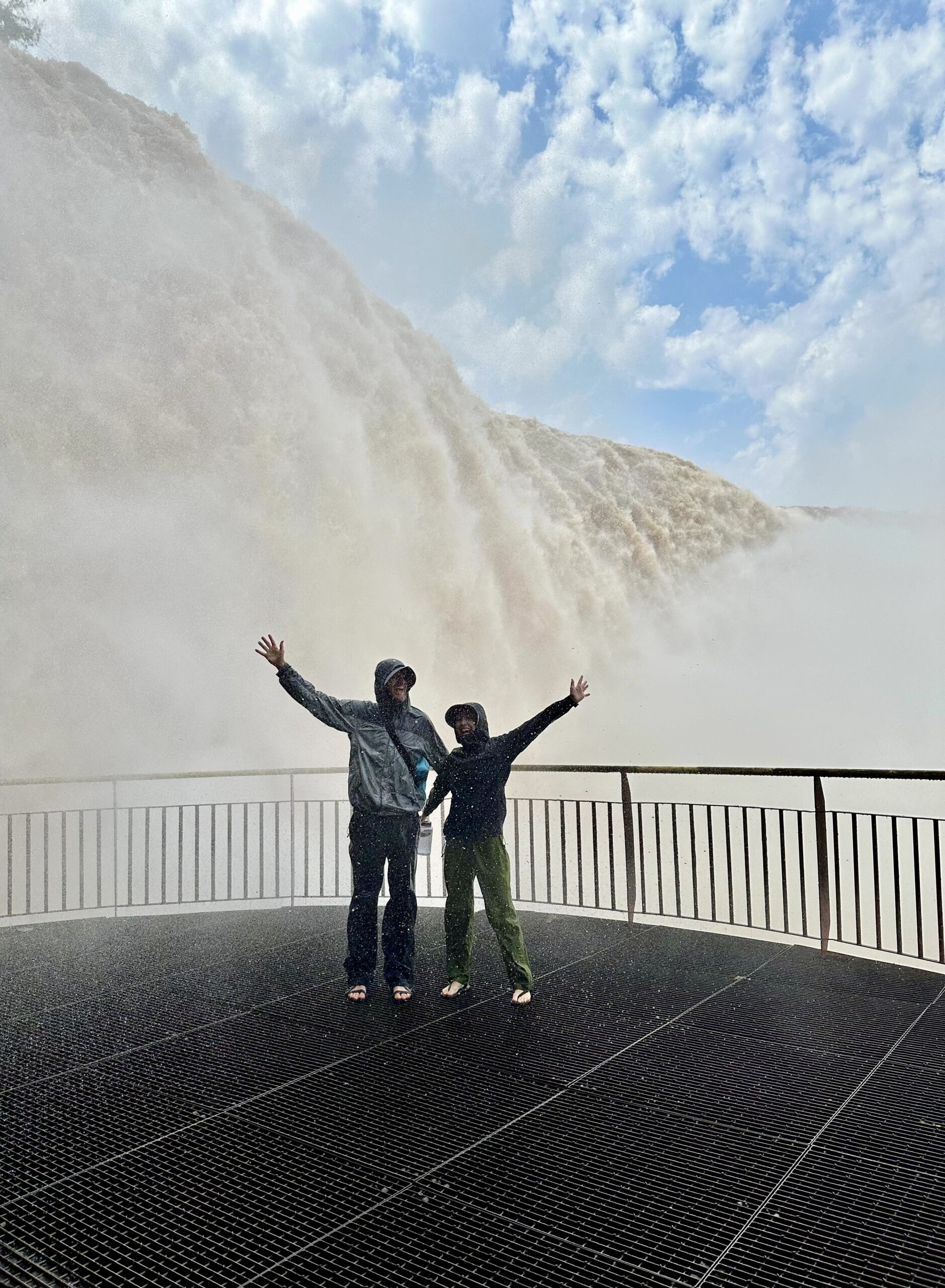
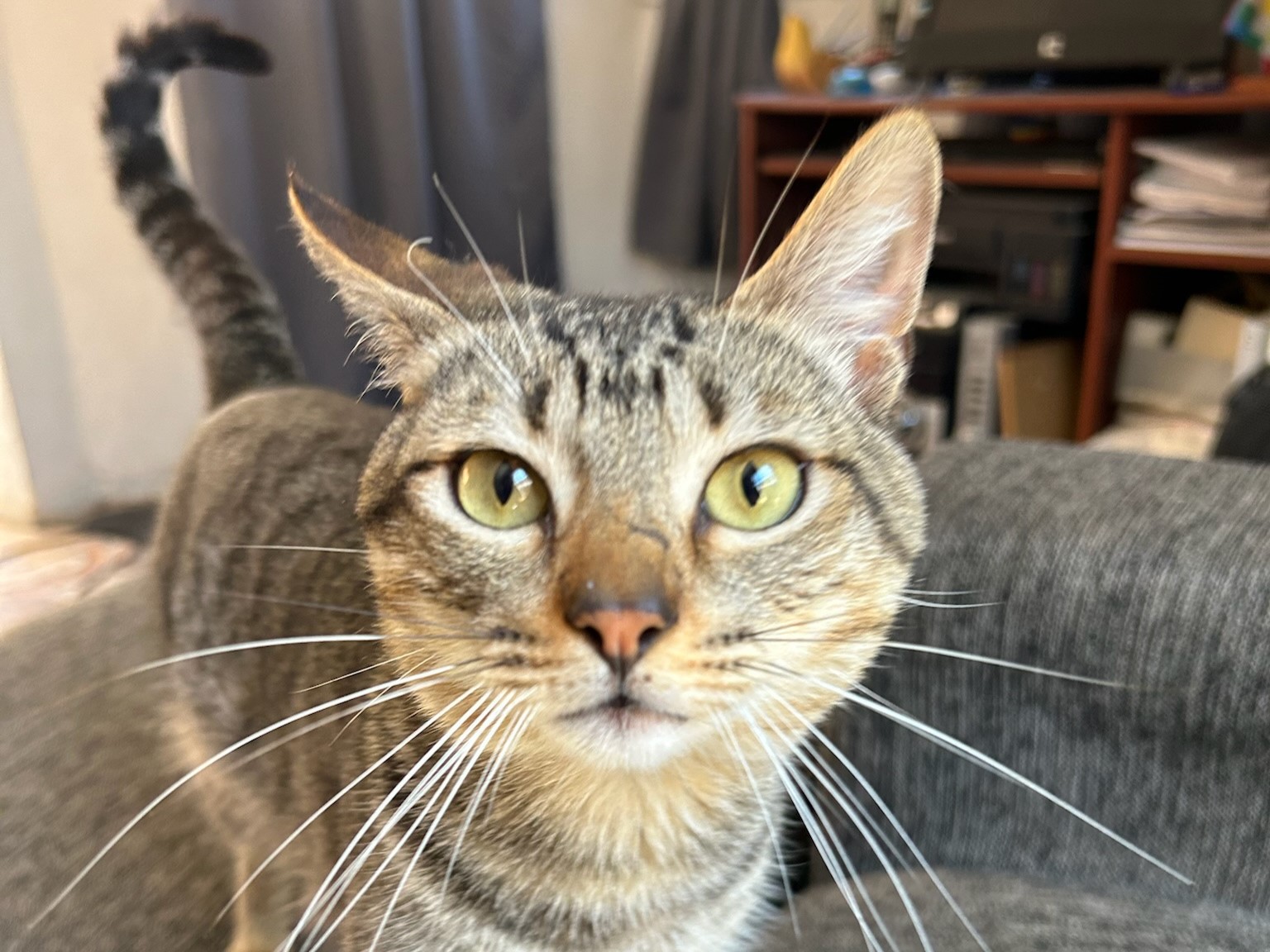
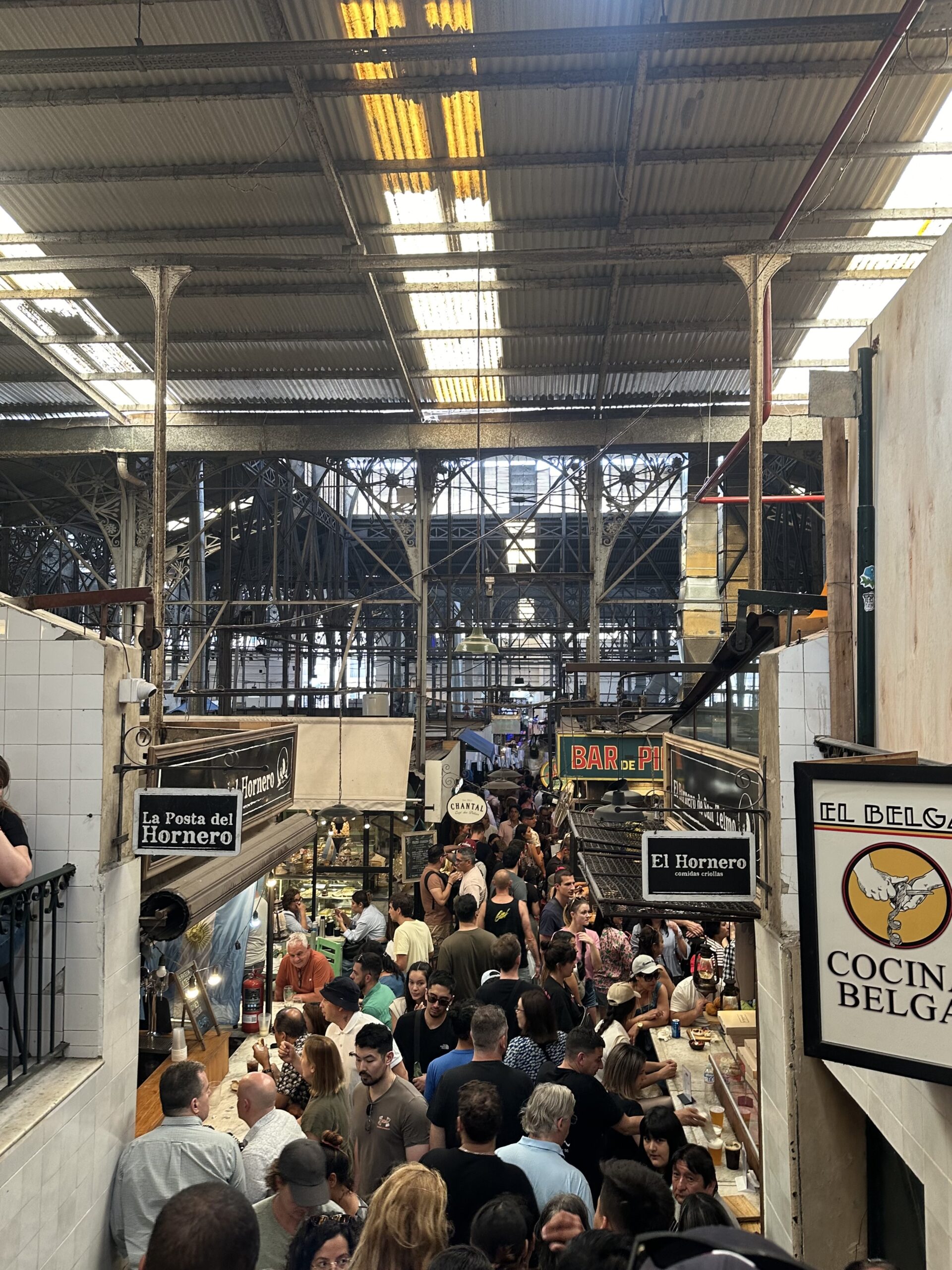
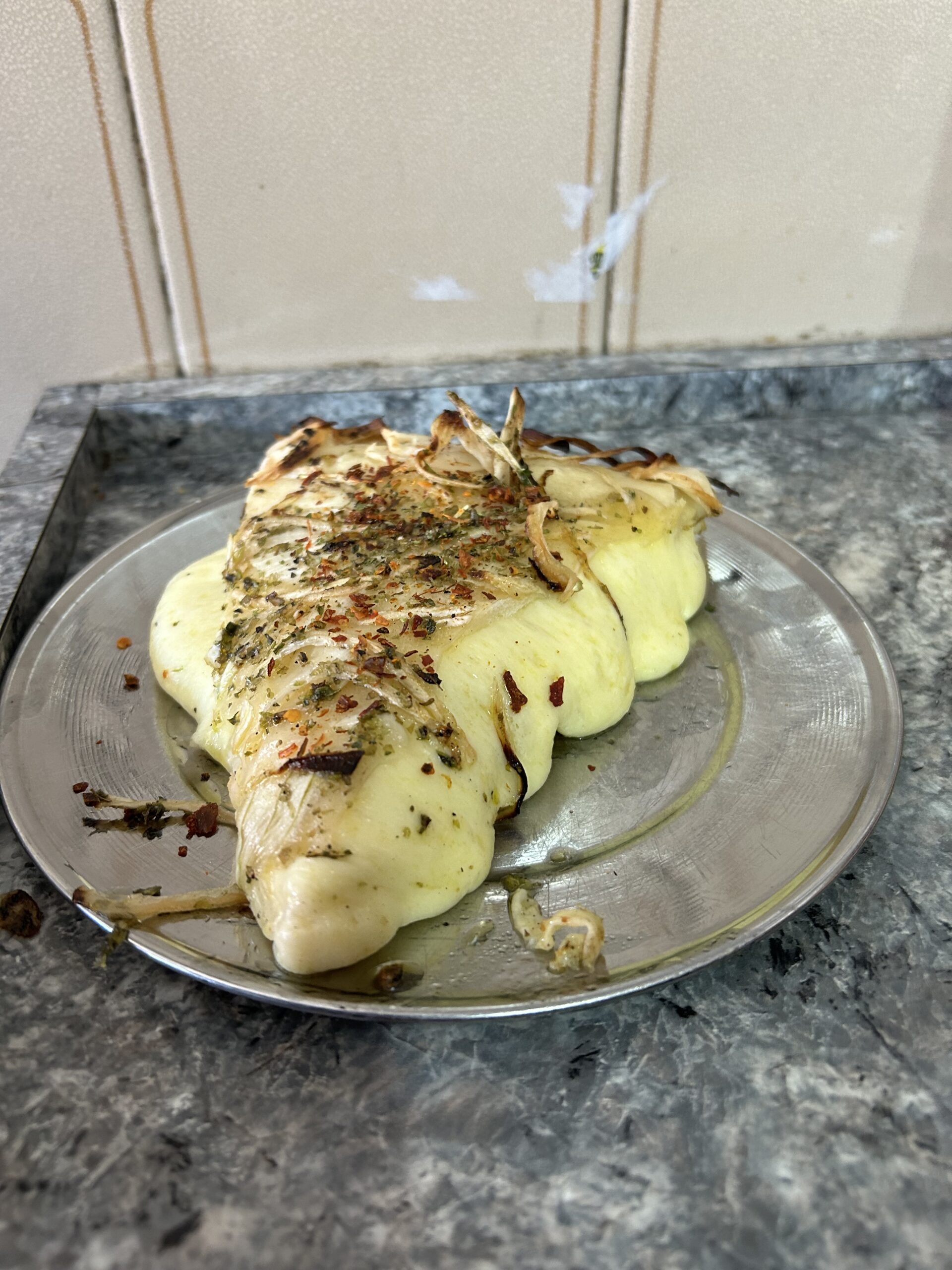
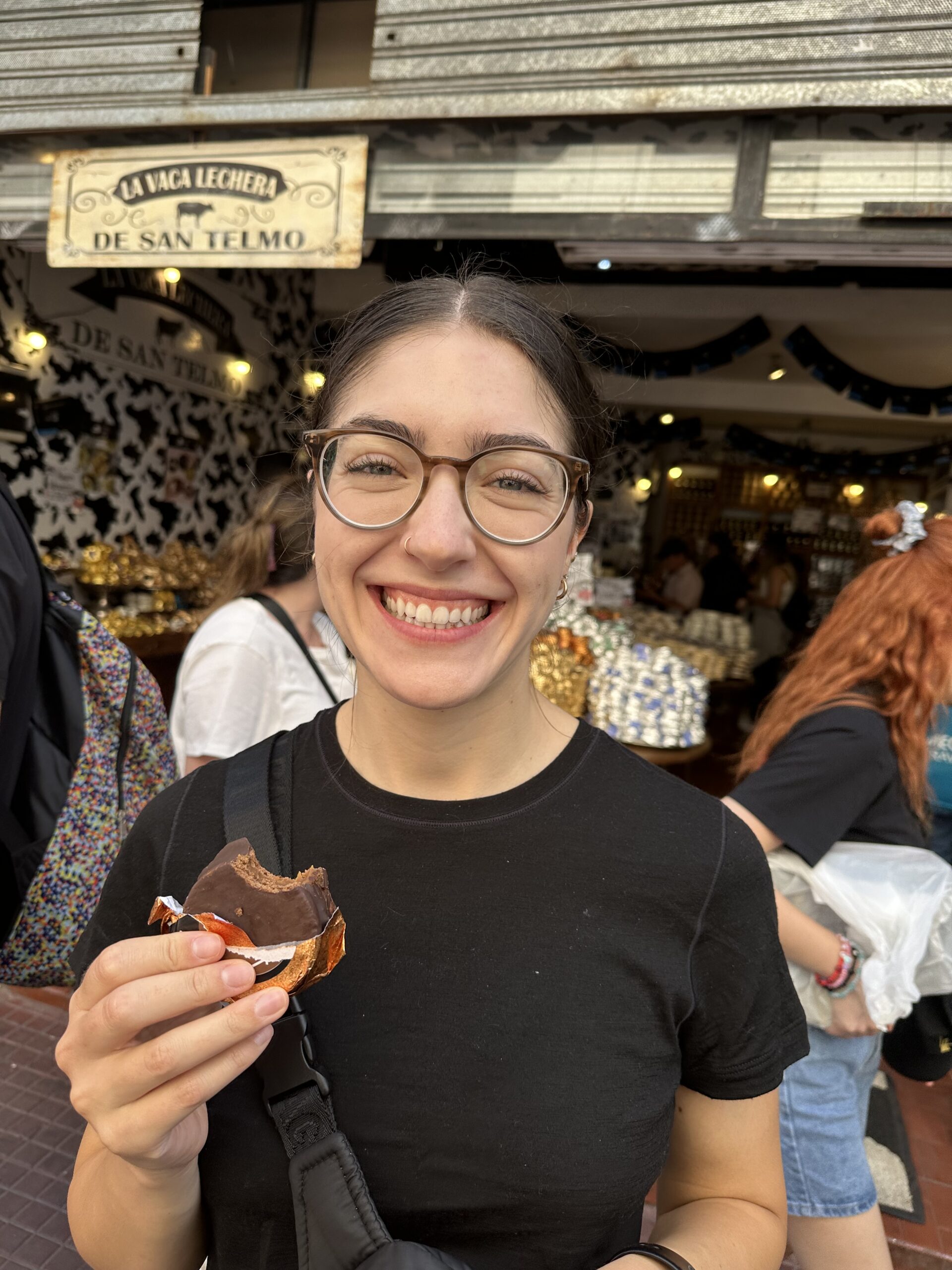
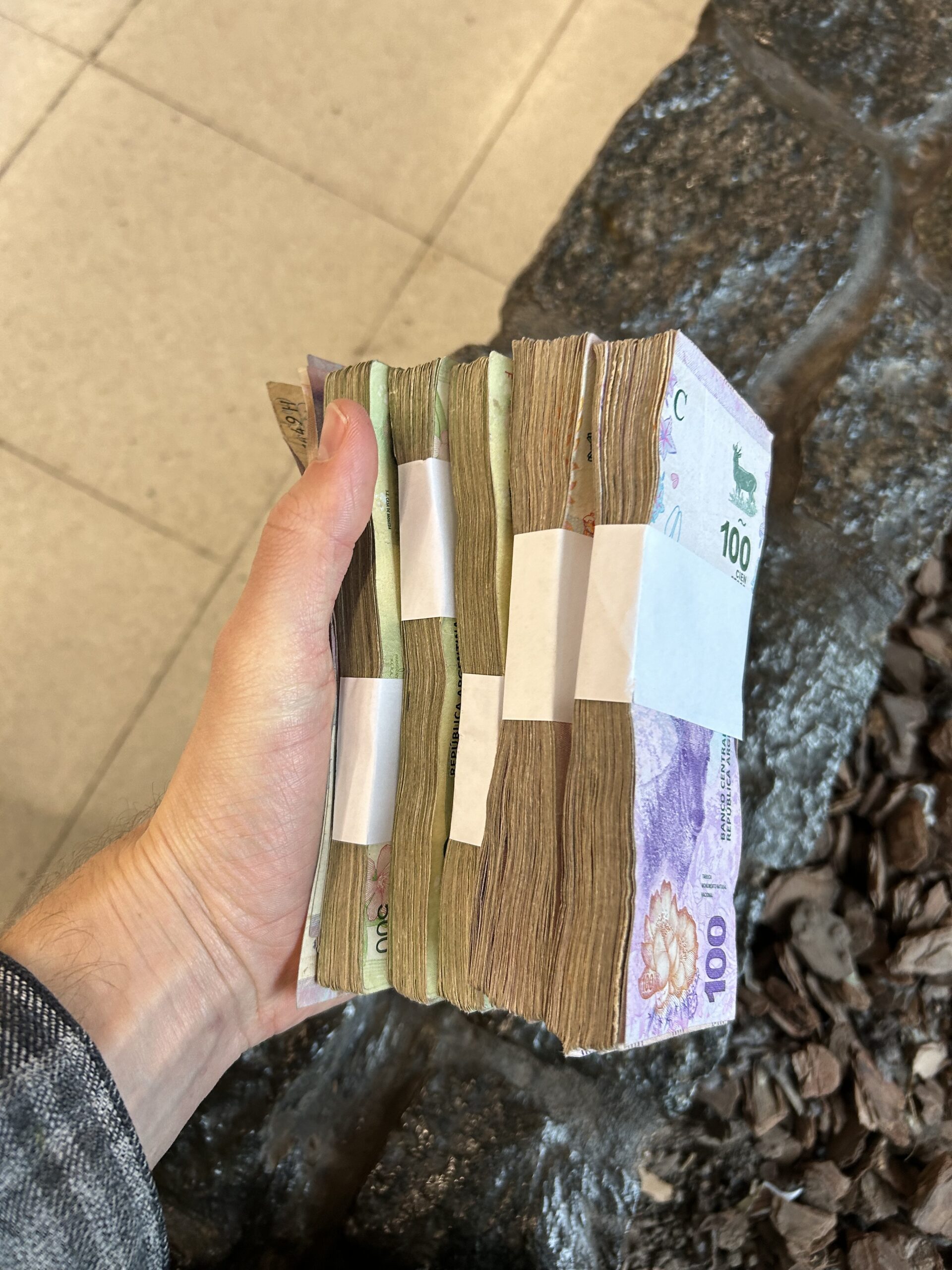
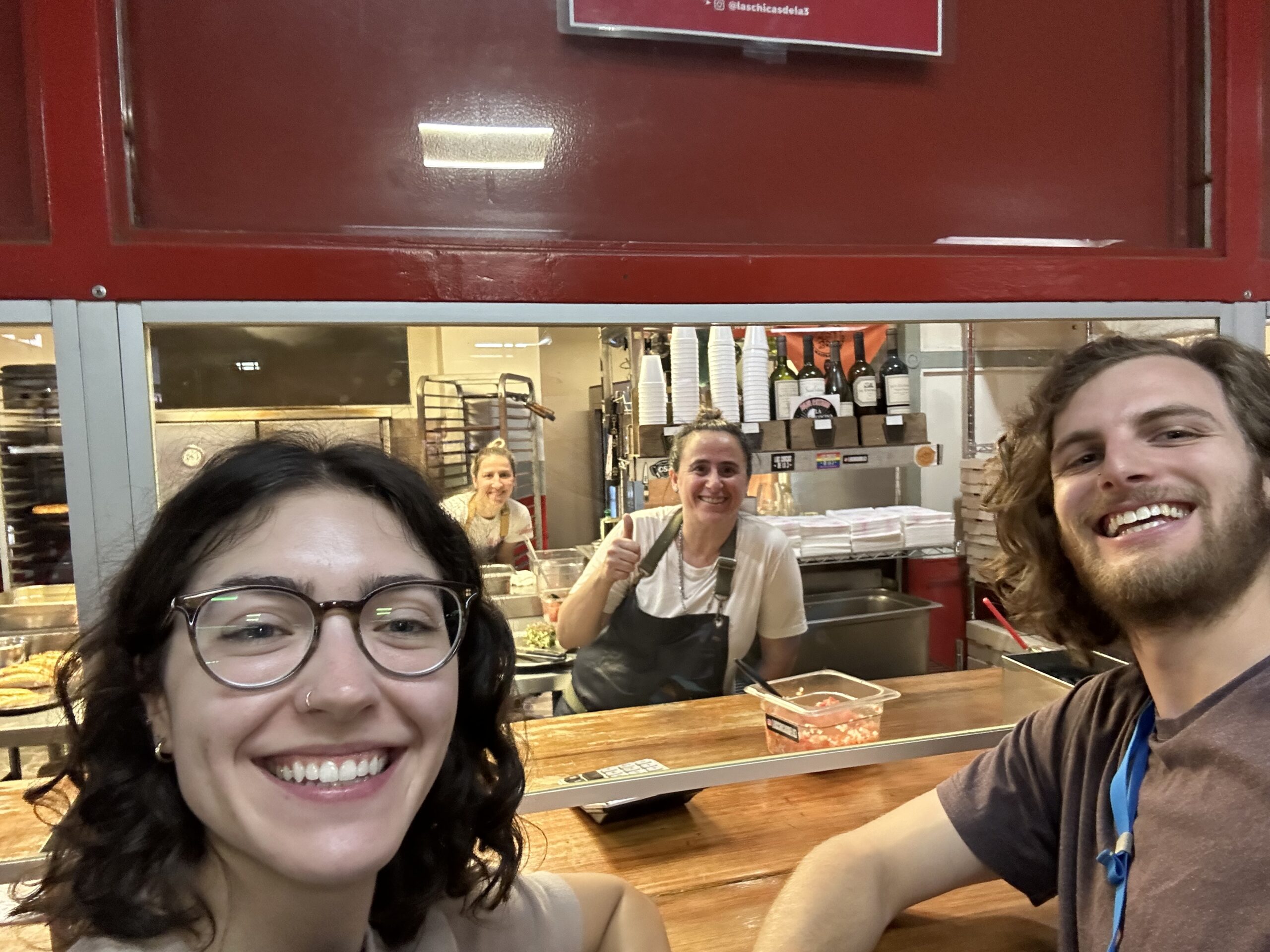
Here are some more photos from our time in Paraguay. Along with photos from our visit to Iguazu Falls and Buenos Aires. For more photos, and more up-to-date posts, check out our Instagram.
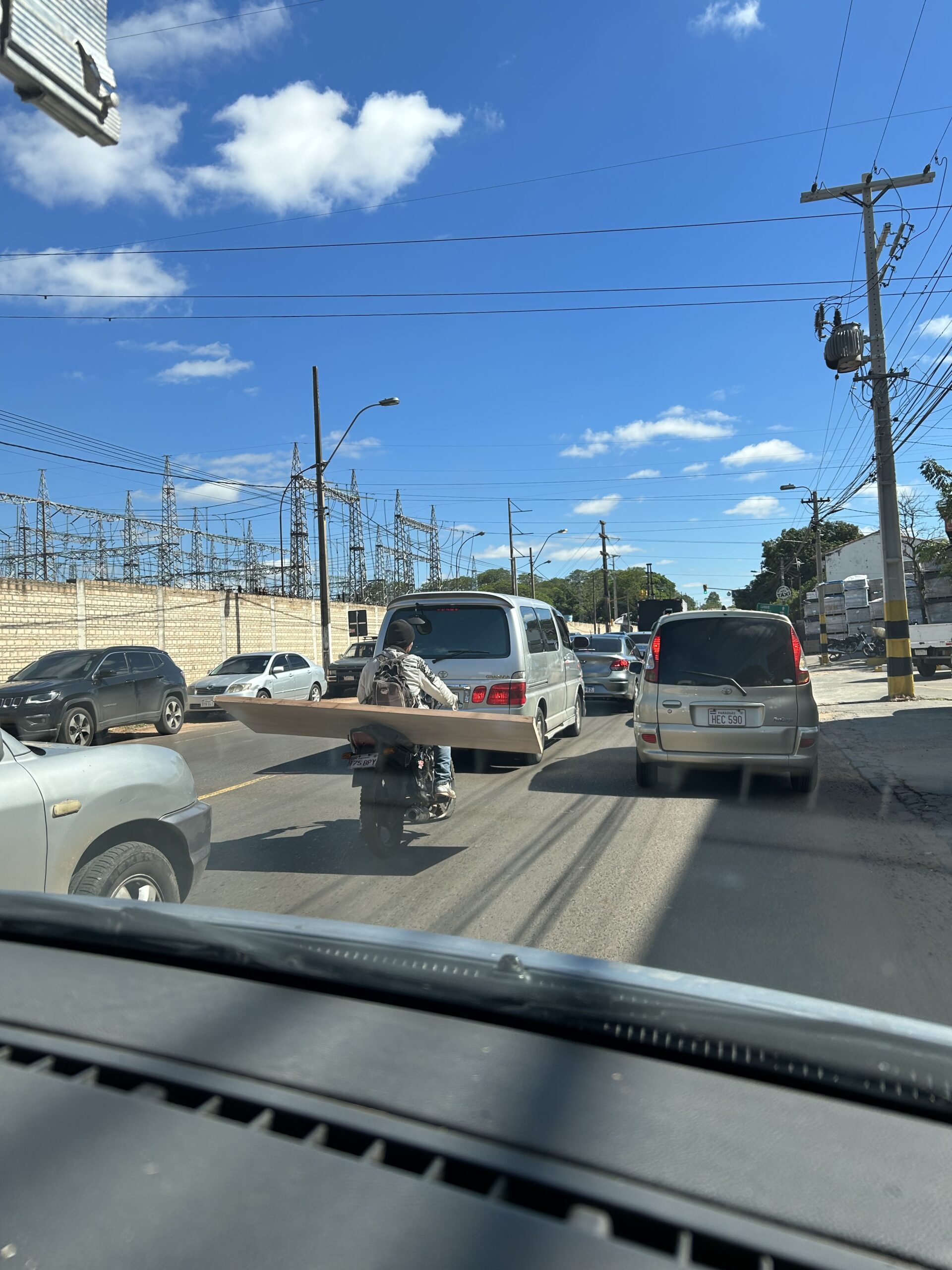
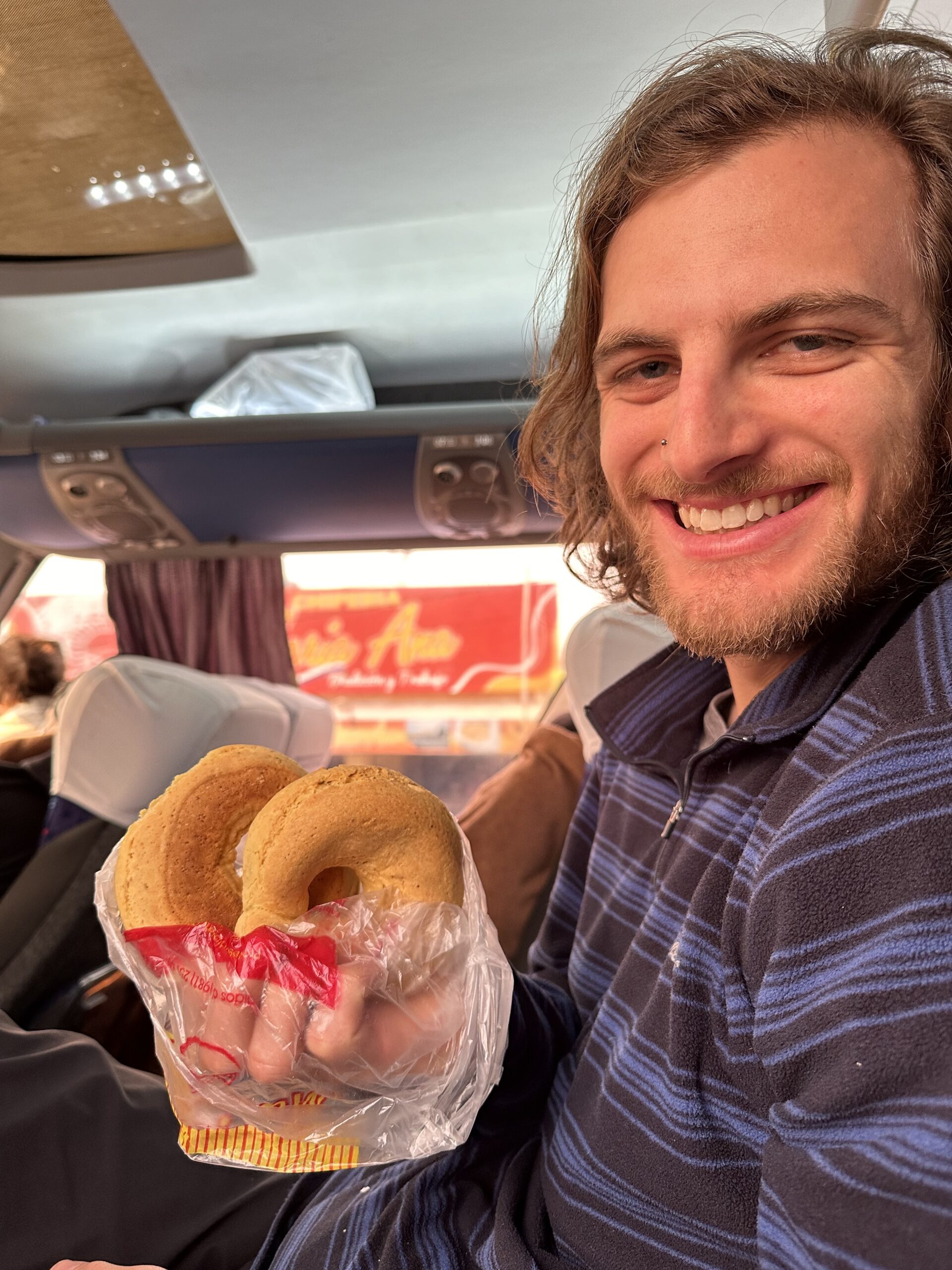
After our visit to the Bruderhof community in Asunción, we took a bus to visit Iguazú Falls on the border of Argentina and Brazil. We spent one day on the Argentina side of the falls and one day on the Brazil side. The magnitude of the falls was stunning; it was impossible to capture in photos.


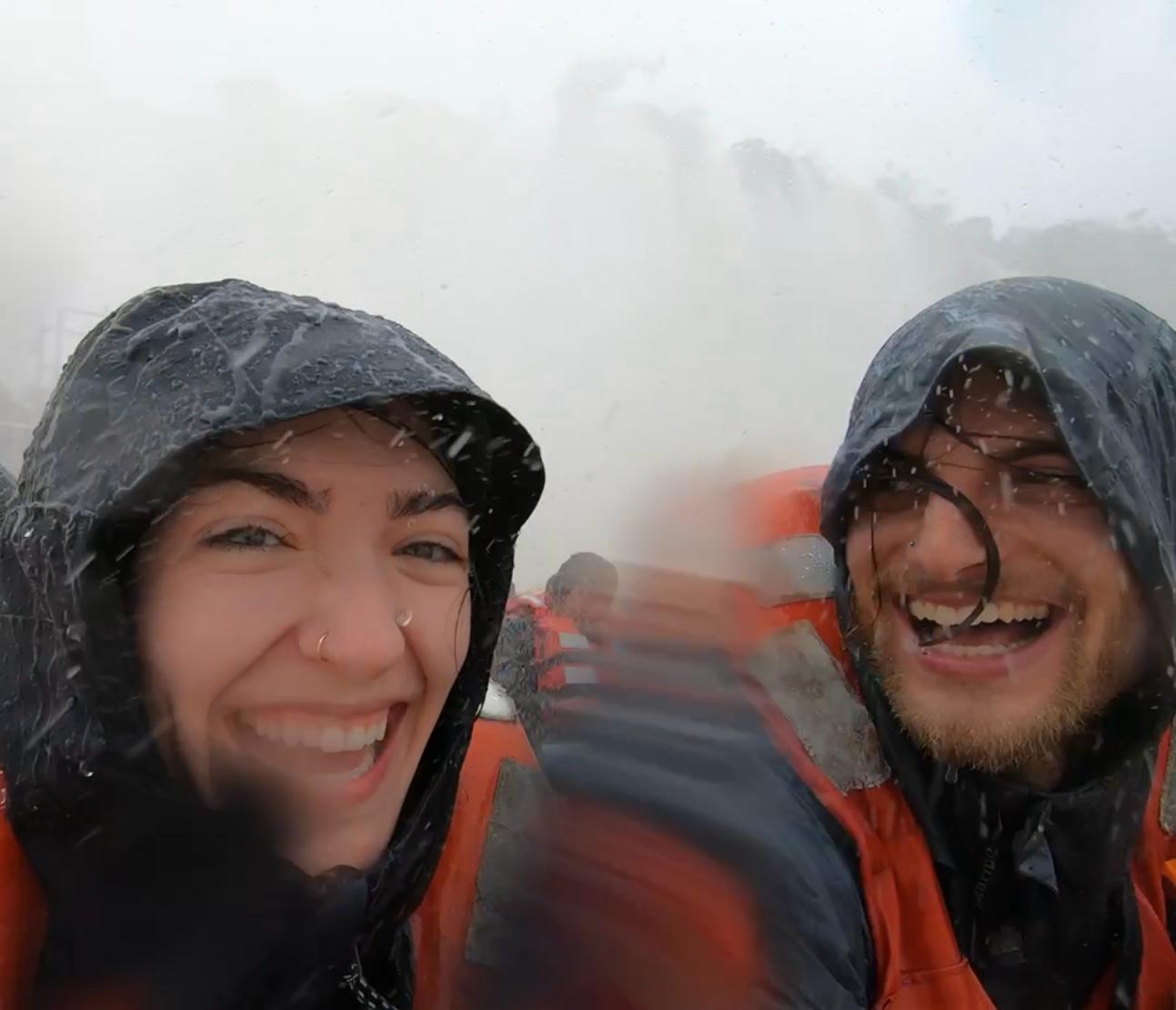
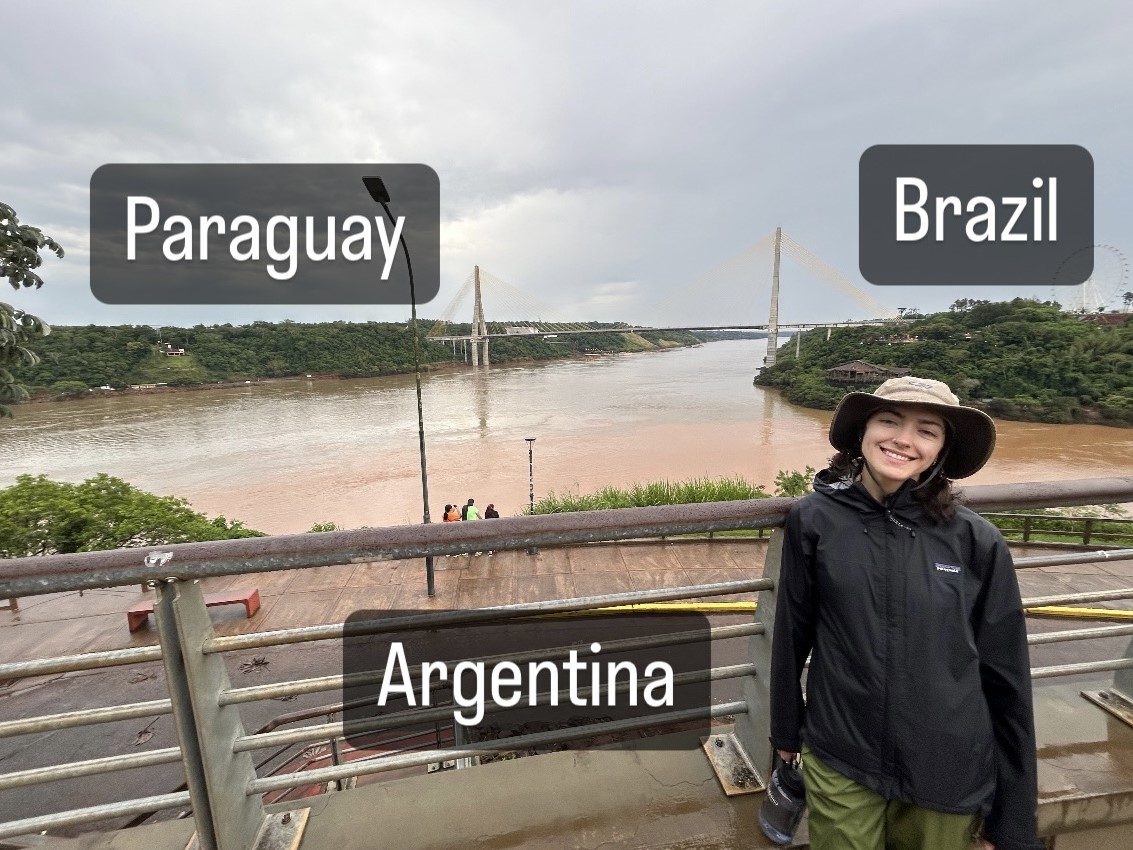
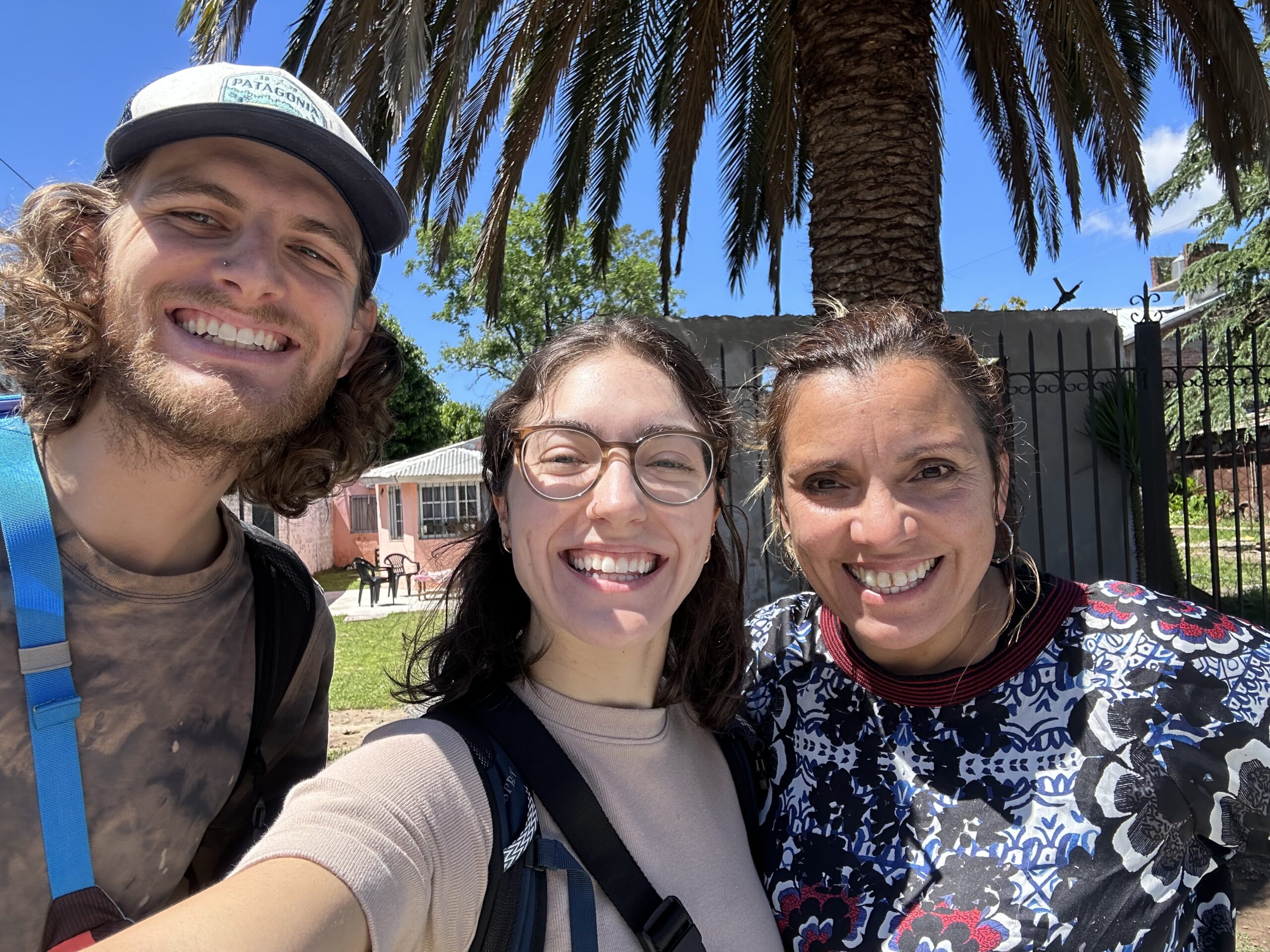
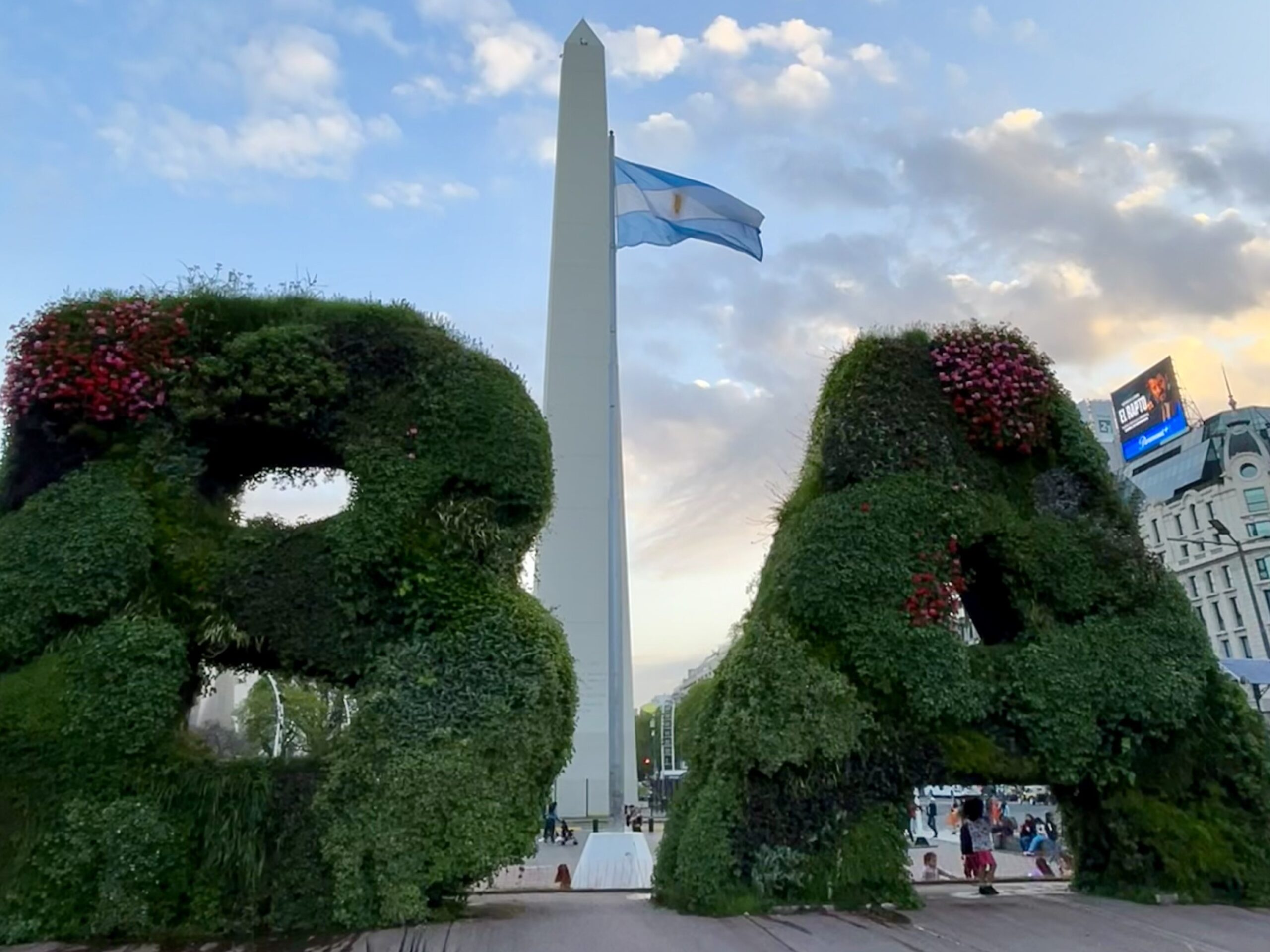
From Iguazú Falls we traveled to Buenos Aires and spent 5 days exploring the city before heading to Patagonia to start our “hiking bender”. On our first night in Buenos Aires we couldn’t find any beds in the city because of a Taylor Swift concert, so we had to take a taxi out to the suburbs. We stayed in an extra room in a local’s house that we found listed online. Our homestay host, Paula, was amazing, and one of our favorite memories of traveling so far was sitting around her kitchen table in the morning sharing a cup of mate with her before heading back into the city.


Book Recommendations
Homage to a Broken Man: The Life of J. Heinrich Arnold – A true story of faith, forgiveness, sacrifice, and community by Peter Mommsen
Buy from Plough – The Bruderhof’s Publishing House
Neither Maria nor I have finished this book yet. However, it was recommended to us by the Bruderhof community. It is a Biography of Heinrich Arnold, the son of the founder of the Bruderhof community. He led the community in the US from 1962 to ‘82 after much trouble and a split of the community in Paraguay. This is not a full history of the Bruderhof, but it offers an interesting glimpse into the Bruderhof through the life of Heinrich Arnold.
“There, in the jungles of Paraguay, the religious community his parents had founded was twisted by legalism and power-hungry leaders into a cold and lifeless caricature. Arnold was betrayed by those he trusted most, separated from his wife and children, and exiled to a leper colony”
118 Days: Christian Peacemaker Teams Held Hostage in Iraq Edited by Tricia Gates Brown
Support independent booksellers: buy new or used on Biblio
We had been planning to go on a peacemaking delegation with Community Peacemaker Teams (CPT) to the West Bank of the Occupied Palestinian Territories in May. However, due to the current conditions, this delegation has been canceled. We hope to be able to go on this delegation in the future.
CPT builds partnerships with local peacemaking communities and sends teams of peacemakers to confront systems of violence and oppression by waging nonviolent direct action.
118 Days is a book about when three members of a CPT peacemaking delegation were taken hostage in Iraq in 2005.
Since going on a CPT delegation is uncertain for us, and because CPT shares similar Anabaptist roots with the Bruderhof community, I thought now would be a good time to share this book.

Wobblies and Zapatistas: Conversations on Anarchism, Marxism and Radical History by Staughton Lynd, Andrej Grubacic
Support independent booksellers: buy new or used on Biblio
Sometimes long-winded and rambling, but often offering illuminating insights, this book is a great read for anyone interested in the history and practice of how social change is made. Lynd draws on his experience of protesting the Vietnam War, organizing to register black voters in the 1960s, and offering legal services to labor unions during the struggle to keep steel mills open in the Rust Belt. He also draws on historical lessons from varying movements including the American Revolution, Zapatista cooperatives, early Protestant communities, and South American liberation theology.
We are keeping this blog ad-free. If you’d like to support us, consider making a small donation:


Leave a Reply to Grandma Mukhar Cancel reply